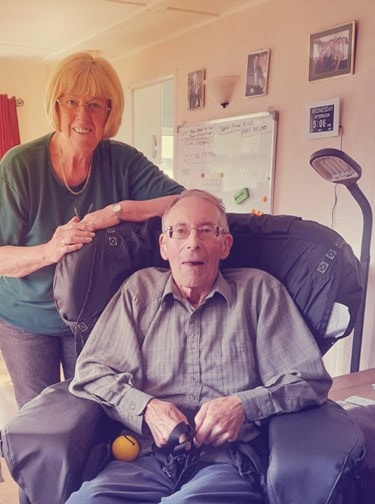
Elderly care
Elderly care at home
Whether it’s a friendly face once a week, help getting washed and dressed each morning, or someone close by through the night, elderly care at home helps your loved one keep living the life they know, in the place they love.
We’ve been caring for older people in their own homes since 2004. Every care plan starts with your loved one: their routines, the things they enjoy and the help they’d like. And as their needs change, their care changes with them.
Not sure what kind of support your mum, dad or grandparent needs yet? That’s completely normal. Get in touch for a friendly, no-obligation chat with your local office.
What is elderly care?
Elderly care is support that helps older people stay safe, well and independent. You might also hear it called senior care, aged care or care for older people. They all mean much the same thing.
Elderly care can happen in a care home, but many families choose care at home instead. Your loved one keeps their own bed, their own kitchen, their neighbours and their routine, with a Care Expert visiting to help with whatever they need.
It can be as light as a weekly visit for a cup of tea and a trip to the shops, or as much as a carer living in. Plenty of people start somewhere in between.
Our care services for elderly people
Every family needs something different. Here are the ways our carers for elderly people can help, and you can mix and match them as needs change.
Home care visits
Regular home care visits from a Care Expert, from 30 minutes to several hours at a time. They can help with washing and dressing, meals, medication and keeping on top of the house, whether that’s every day or a few times a week.
Companionship care
For an older person living alone, a regular companion can make a real difference. Our companionship care team will chat over a cuppa, help with shopping and hobbies, and get your loved one out to the places they enjoy. If you’re looking for a companion for elderly parents, this is often where families start.
Night care
Nights can be the hardest time, especially after a fall or a spell in hospital. With sleeping night care, a Care Expert stays over in case they’re needed. With waking night care, they’re awake through the night to help with things like getting to the bathroom, medication and changing position in bed.
Respite care
If you’ve been looking after your mum or dad yourself, respite care gives you a proper break. We can step in while you’re on holiday, or visit regularly so you have time to rest, knowing your loved one is in safe hands.
Live-in care
A Care Expert lives with your loved one and supports them day and night. Live-in care is the most complete form of care at home, and for many families it’s an alternative to moving into a care home. We also arrange live-in care for couples who want to stay together.
Dementia care
Familiar surroundings and routines matter even more for someone living with dementia. Our dementia care helps your loved one stay in the home they know, with support that keeps their day calm and predictable.
Health and wellbeing checks
Small changes in health are easy to miss. That’s why every private customer gets free health and wellbeing checks, so anything new can be picked up early. Not sure which is right? You don’t need to know before you call. We’ll talk it through with you and suggest what might help.
Elderly home care: why families choose care at home
Most of us would rather stay in our own home as we get older. Elderly home care makes that possible, with support that fits around your loved one’s life.
Care for elderly at home means your loved one can:
- Keep the comforts of home, including their pets
- Stick to their own routine, with no set mealtimes or bedtimes
- Get one-to-one support from a Care Expert who gets to know them
- See family and friends whenever they like
- Have more or less care as their needs change
If you’re weighing up the options, our guide to home care vs care homes covers what families often wish they’d known sooner.
Caring for elderly parents: signs they may need more help
Changes often happen slowly. Mum might stop cooking proper meals. Dad might miss appointments or seem less steady on his feet. Because it happens bit by bit, it’s easy to adjust without noticing how much help you’re already giving.
Signs your parent may need more support include:
- Forgetting to take medication, or taking it at the wrong time
- Losing weight, or a fridge that’s often empty
- Struggling to keep on top of the house
- Falls, near misses or bruises they can’t explain
- Going out less than they used to
- Seeming lonelier or more withdrawn
- Becoming more forgetful
One or two of these might only call for a little help for elderly relatives, such as a few visits a week. Looking at the options early gives your family more time and more choice. Our article on why waiting for a crisis is the worst way to plan for care explains why.
Starting the conversation
Talking to a parent about care can feel awkward. It helps to start small. Ask how they’re finding things at home and whether anything’s getting harder. Then listen. People are far more open to support when they feel the decision is theirs.
Looking after yourself too
If you’re the one holding everything together, you need support as well. Our advice for family carers is a good place to start, and our local teams can help you find time for yourself.
How much does elderly care at home cost?
- Get in touch. Call, email or fill in a form for your local office. We’ll listen and give advice if you need it.
- We visit. We’ll come and meet you and your loved one at home to talk about the help they’d like.
- We plan. We’ll put together a care plan around their needs, routines and the things they enjoy.
- You meet the team. We’ll introduce you both to the Care Experts who’ll be supporting your loved one.
- We keep checking in. We review care regularly and change the plan as needs change.
Find out more about how we work.
CTA: Arrange a free consultation
Why families choose Bluebird Care
- Caring for people in their own homes since 2004
- 220 locally owned offices, so your care is arranged by people who know your area
- More than 10,000 Care Experts across the UK
- A regulated care provider, so every Care Expert is trained and insured
- Cover arranged if your carer is off sick or on holiday
- An out-of-hours support line for when you need us most
- One local point of contact who gets to know your family
To see what good care should look like, wherever you choose it, read our Good Care Guide.
Getting in touch
If you think elderly care could help someone you love, we’d love to hear from you. Search for your local office below and we’ll see how we can help.
CTA: Find your local office
Add the existing “Find your local care provider” module here.
Helpful guides for families
- 5 ways to combat loneliness in the elderly
- 10 top tips for preventing falls
- Taking your medicines safely
- Early warning signs of dementia
- Guide to selecting care

Find your local care provider
East Midlands
East of England
Greater London
North East
North West
Northern Ireland
Scotland
South East
South West
Wales
West Midlands
Yorkshire and the Humber
East Midlands
East of England
Greater London
North East
North West
Northern Ireland
Scotland
South East
South West
Wales
West Midlands
Yorkshire and the Humber
Related care services Nationwide
Home Care
Home Care means different things to different people. From a quick visit to drop off medication, to overnight care so your loved one can rest without worry. Whatever your family needs, we're here to help.
Explore Home CareElderly care stories
We have helped thousands of people feel like themselves
Hear how Bluebird Care has empowered customers across the UK to live life on their terms.