Dementia & Alzheimer's Care
Dementia & Alzheimer's Care in North Tyneside
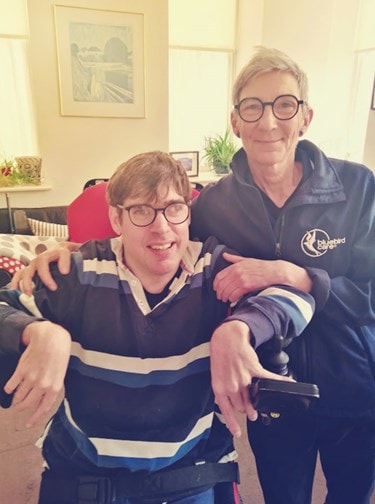
A dementia or Alzheimer's diagnosis doesn't have to mean losing the comfort and independence of home. Bluebird Care North Tyneside provides compassionate, person-centered dementia care, delivered by dedicated, specially trained carers matched to your loved one for consistency and trust.
Dementia and Alzheimer's Care at Home
Receiving a dementia or Alzheimer's diagnosis is a huge moment for any family, but it doesn't mean a loved one has to give up the home, routines and neighbourhood they know so well. Bluebird Care North Tyneside offers person-focused dementia and Alzheimer's care at home, delivered by carers who are specially trained in dementia support and carefully matched to your family member so they can build a genuine, trusted relationship over time. Whether it's help with personal care, medication, meals, companionship, or simply keeping familiar routines going, we shape every visit around the individual, not a fixed checklist. Remaining at home, surrounded by the people and places that matter, can help protect a person's sense of identity and wellbeing throughout their dementia journey.
What is Dementia?
Dementia isn't a single illness, it's a broad term covering a number of progressive conditions that affect how the brain works, gradually changing memory, thinking, communication and the ability to manage everyday tasks. Because it's progressive, symptoms generally become more pronounced over time, and the amount of support someone needs tends to grow alongside them. The Alzheimer's Society estimates that around 982,000 people in the UK are currently living with dementia, a number set to climb further as more of us live longer. Arranging dementia care at home sooner rather than later, close to family and familiar surroundings, often helps people retain more independence and dignity for longer.
Types of Dementia
Dementia covers several distinct conditions, each with its own causes and symptom pattern. Knowing which type a family member has been diagnosed with helps everyone understand what changes may lie ahead and how best to respond.
Alzheimer's Disease
Alzheimer's disease is by far the most common cause of dementia, responsible for roughly six in ten cases across the UK. It develops when abnormal proteins build up in the brain and gradually damage nerve cells. Symptoms typically progress in stages, from early word-finding trouble and small memory lapses, through growing confusion and mood changes, to eventually needing full support with daily life.
Vascular Dementia
Vascular dementia is the second most common form, making up around one in five dementia diagnoses. It results from reduced blood flow to the brain, often following a stroke or a series of smaller strokes that may have gone unnoticed at the time. It can bring slowed thinking, difficulty concentrating, slurred speech, low mood and trouble planning or organising day-to-day tasks.
Dementia with Lewy Bodies
This type accounts for somewhere between one in ten and one in seven cases, and is caused by abnormal protein deposits, known as Lewy bodies, forming inside brain cells. It's often associated with vivid visual hallucinations, disturbed sleep, fluctuating levels of alertness and Parkinson's-like movement difficulties, and can be a particularly demanding condition for families to navigate.
Frontotemporal Dementia (FTD)
Frontotemporal dementia is much rarer, affecting an estimated 16,000 people across the UK, and tends to be diagnosed at a younger age than other dementias. It's caused by protein build up in the brain's frontal and temporal lobes, and usually first appears as changes in personality, behaviour or language, rather than the memory problems more typical of other types.
Early Signs of Dementia
Spotting the early signs of dementia can help a family get the right diagnosis and support in place sooner. Things to look out for include:
- Growing forgetfulness, especially around recent conversations or events
- Difficulty completing everyday tasks the person has always managed easily
- Losing track of the date, season or time of day
- Trouble judging distances or noticing changes in vision
- Pulling back from hobbies, friendships or usual social activities
- Shifts in mood, personality or decision making
If any of this sounds familiar for someone you love in North Tyneside, a conversation with their GP is a good first step. Our team is also happy to talk through what dementia care and support could look like while a diagnosis is being confirmed.
Our Approach to Dementia and Alzheimer's Care
We don't work from a standard template. Every care plan starts with getting to know the person (their life story, daily rhythms, preferences and what brings them comfort) so support feels natural rather than clinical. In practice, this might mean preparing meals around long-standing tastes and dietary needs, gently prompting medication, supporting light exercise and mobility, or simply making time for a hobby or interest that still brings joy. Because dementia changes over time, we regularly review each plan so the care provided always reflects where the person is right now, not where they were six months ago.
Dementia care at home is about meeting each persons individual needs. People living with dementia often feel safe at home in their familiar surroundings. Our aim to support individual people, by providing the care each person needs , maintaining the persons dignity and respecting their individual wishes .
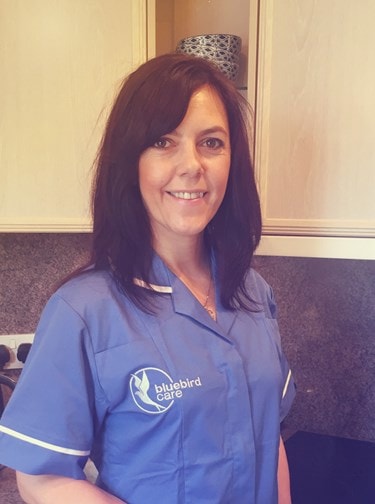
Bev Atkinson, Clinical Lead at Bluebird Care North Tyneside
Our Dementia Care Support at Home
Trust and familiarity matter enormously for someone living with dementia, so we introduce a small, consistent team of carers rather than a rotating rota of new faces. Our specially trained carers are matched not just on skills but on personality, helping real relationships form and reducing the anxiety that unfamiliar faces can bring. Every member of our dementia care team is trained to communicate patiently, respond calmly to changes in behaviour, and support the wider family alongside the person themselves. Care can flex from a short visit a few times a week right up to full live-in support, with respite care and night care available whenever family carers need a break.
Our Nurse-Led Dementia Ward
We also give North Tyneside families access to our nurse-led Dementia Ward, a virtual clinical service that connects loved ones directly with our clinical team throughout the dementia journey. These virtual meetings give family members a dedicated space to ask questions, understand what to expect as the condition progresses, and receive professional guidance on symptoms, medication and day-to-day care decisions, all from home. It works alongside our regular home care visits, giving families an extra layer of clinical reassurance whenever they need it.
Our virtual ward gives us a level of clinical oversight that simply isn't possible with home care alone. It means we can spot small changes early, understand what's behind them and act quickly, whether that's arranging a GP review or adjusting someone's care plan, so people can stay safely and confidently in their own home for as long as possible.
Bev Atkinson, Clinical Lead at Bluebird Care North Tyneside
Getting in touch
If you're weighing up care options for someone you love in North Tyneside, our local team is ready to help, with a relaxed, no-obligation conversation about your situation and what dementia care at home might look like for your family. That could mean occasional visits to support independence, or a fuller daily care package. We also provide respite care and night care so family carers can take time for themselves with confidence.
Clinical Lead
Being at home is what all our customers state is most important to them . They wish to be supported to stay in their home and receive the care and support that will keep them safe. With the right support customers and families can be helped to navigate the challenges living with dementia brings. We can help people living with dementia continue living safely , navigating with the customer and their family the changes and adaptations needed as the care needs change.

Bev Atkinson
Clinical Lead
MBA, BSc Nursing Science, RGN, DPSN, Certified Transformational Leader
See care services in North Tyneside
East Midlands
East of England
Greater London
North East
North West
Northern Ireland
Scotland
South East
South West
Wales
West Midlands
Yorkshire and the Humber
East Midlands
East of England
Greater London
North East
North West
Northern Ireland
Scotland
South East
South West
Wales
West Midlands
Yorkshire and the Humber
FAQ
Everything you need to know about Dementia & Alzheimer's Care
Dementia & Alzheimer's Care stories
We have helped thousands of people feel like themselves
Hear how Bluebird Care has empowered customers across the UK to live life on their terms.