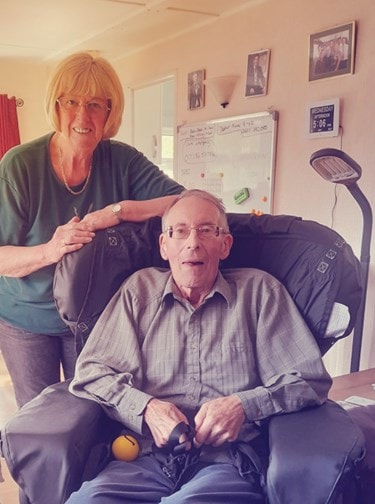
Parkinson’s Disease Care in Camden & Hampstead
Supporting you to live the life you want with Parkinson's
With Parkinson’s disease, the same task can feel very different at different points in the day. Movement may be easier at one time and slower at another, while fatigue, stiffness or changes in confidence can affect familiar routines.
Bluebird Care provides Parkinson’s disease care across Camden, Hampstead and surrounding neighbourhoods, including King’s Cross, Somers Town and Bloomsbury. Our care experts provide personalised support around the customer’s own pattern of symptoms, prescribed routines and everyday priorities.
Care can help make difficult parts of the day more manageable without unnecessarily changing the parts that still work well.
What is Parkinson’s disease?
Parkinson’s is a progressive neurological condition that affects movement and can also cause a range of non-motor symptoms.
Common movement-related symptoms include:
- Slower movement
- Tremor
- Muscle stiffness
- Freezing
- Changes in balance
Someone may also experience fatigue, sleep problems, anxiety, low mood, changes in thinking or difficulties with speech, swallowing and digestion.
The combination of symptoms varies considerably between people.
That means two customers living with Parkinson’s may need very different types of support, even if they are at a similar stage of the condition.
Planning care around better and harder times of day
Parkinson’s symptoms do not necessarily feel the same throughout the day.
For some people, medication can create periods when movement feels easier and others when symptoms become more noticeable.
This can influence when certain activities feel most manageable.
A customer may prefer to shower, go out or complete a favourite activity during a part of the day when they generally feel more mobile. At another time, they may appreciate more practical help.
Home care can be arranged around these patterns rather than expecting every visit to look exactly the same.
What can Parkinson’s disease care include?
Support is shaped around the customer’s current needs and agreed care plan.
This may include:
- Personal care: Patient help with washing, bathing, dressing, grooming and toileting without unnecessary rushing.
- Medication support: Assistance maintaining prescribed medication routines within the agreed care plan.
- Mobility: Practical support moving around the home and using agreed mobility equipment where appropriate.
- Meals: Shopping and preparing food when dexterity, movement or fatigue makes cooking harder.
- Household tasks: Help with laundry, cleaning and other jobs that may become physically demanding.
- Appointments: Support attending healthcare reviews, therapy appointments or other commitments.
- Activity: Encouragement with appropriate movement and interests in line with professional guidance.
- Companionship: Conversation and reassurance alongside everyday practical support.
Care experts follow prescribed medication schedules and professional advice. They do not change medication doses or therapy programmes.
Allowing enough time
Tasks can take longer when movement becomes slower or stiffness is more noticeable.
This can make being rushed particularly frustrating.
A care expert can allow enough time for the customer to remain involved in their own routine.
Someone may still want to wash their face, choose their clothes or eat independently but need practical help with the parts that have become difficult.
Giving the customer time to do what they can helps preserve both independence and dignity.
Care should make the day easier, not simply make it faster.
Making mealtimes more manageable
Parkinson’s can affect mealtimes in different ways.
Tremor or reduced dexterity may make chopping ingredients, lifting pans or using cutlery harder. Fatigue can also mean preparing a full meal becomes too demanding.
A care expert can help with shopping and cooking while keeping the customer involved in choosing what they eat.
Some people may also experience swallowing difficulties.
Where a speech and language therapist, dietitian or another healthcare professional has provided specific guidance, care experts can support those agreed recommendations at home.
Staying active in familiar surroundings
Movement can become more difficult with Parkinson’s, but continuing suitable activity may still form an important part of someone’s routine.
A customer might enjoy walking locally, completing exercises recommended by a physiotherapist or simply remaining involved in everyday activities around the home.
A care expert can provide encouragement or practical assistance where appropriate.
The goal is not to push someone beyond what feels comfortable.
It is to make it easier for them to continue doing what they can, particularly when confidence has been affected by changes in balance or mobility.
Preserving hobbies and social connections
As everyday tasks take more effort, interests and social plans can sometimes be the first things to disappear.
Care can help protect space for them.
A care expert might take care of tiring household jobs so the customer has more energy to see friends, or provide company for an outing they no longer feel confident managing alone.
For someone spending more time at home, regular companionship can also provide conversation and shared activities.
Parkinson’s care should support more than practical needs. It should help the customer continue having a life that feels like their own.
Supporting family members
Parkinson’s can gradually change responsibilities within a household.
A partner may begin helping with dressing, meals, medication and mobility, sometimes without realising how much caring they have taken on.
Professional support can share some of these responsibilities.
This can give relatives more opportunity to spend time with their loved one without every part of the relationship becoming centred on care.
Additional or respite support can also be considered when family carers need time to rest or manage other commitments.
Adapting care as Parkinson’s progresses
Parkinson’s is progressive, but support does not need to jump immediately from a little help to a highly involved care arrangement.
Care can develop gradually.
A customer may begin with help at the time of day they find most difficult, then add further support if mobility, personal care or other needs change.
Our Camden & Hampstead team can review the care plan over time so assistance continues to reflect the customer’s actual circumstances and preferences.
Getting started with Parkinson’s disease care in Camden & Hampstead
If you or a loved one is living with Parkinson’s disease, our Camden & Hampstead team can help you explore what support at home could look like.
We will take the time to understand how symptoms vary throughout the day, which routines are becoming more difficult and what the customer wants to continue managing independently.
Bluebird Care provides Parkinson’s disease care throughout Camden and Hampstead, including King’s Cross, Somers Town and Bloomsbury.
Call Bluebird Care Camden & Hampstead on 0207 449 0557 for a friendly, no-obligation conversation about Parkinson’s disease care.
Make an enquiry
See care services in Camden & Hampstead
East Midlands
East of England
Greater London
North East
North West
Northern Ireland
Scotland
South East
South West
Wales
West Midlands
Yorkshire and the Humber
East Midlands
East of England
Greater London
North East
North West
Northern Ireland
Scotland
South East
South West
Wales
West Midlands
Yorkshire and the Humber
Parkinson’s Disease Care in Camden & Hampstead stories
We have helped thousands of people feel like themselves
Hear how Bluebird Care has empowered customers across the UK to live life on their terms.