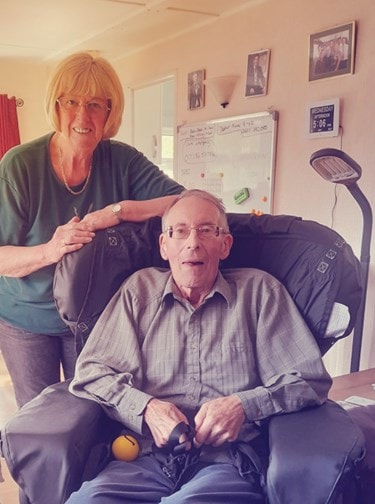
Dementia and Alzheimer’s Care in Camden & Hampstead
Dementia and Alzheimer’s Care at Home
When someone is living with dementia, familiar people, places and routines can become increasingly important. The home they know, the music they recognise and the small habits built over many years can all provide valuable continuity.
Bluebird Care provides dementia and Alzheimer’s care across Camden, Hampstead and surrounding neighbourhoods, including Holborn, Kentish Town and Camden Town. Our care experts provide personalised support designed around who the customer is, not simply the condition they are living with.
From help with morning routines and meals to companionship and meaningful activities, care can make everyday life feel more manageable while helping the customer remain at home.
How can dementia affect everyday life?
Dementia is a term used to describe a group of conditions that affect how the brain functions.
It can cause changes in memory, thinking, communication, behaviour and someone’s ability to manage everyday activities.
Alzheimer’s disease is one of the most common forms of dementia.
Someone living with dementia may experience:
- Forgetfulness or difficulty recalling recent events
- Problems finding words or following conversations
- Changes in mood or personality
- Difficulty planning or making decisions
- Reduced confidence
- Problems completing familiar tasks
- Changes in movement or coordination
- Anxiety, depression or confusion
Symptoms vary considerably between people and usually develop gradually.
That means good dementia care needs to reflect the person’s individual experience rather than treating everyone in the same way.
The reassurance of staying at home
As dementia progresses, unfamiliar environments can become more difficult to navigate.
At home, the customer is surrounded by things that already mean something to them.
They know where they usually sit, recognise the view from the window and may have photographs, furniture and possessions connected to decades of memories.
Remaining in familiar surroundings can also make established routines easier to preserve.
Someone may still know exactly how they like their breakfast, where they prefer to spend the afternoon or which programme they watch before bed.
Care at home can work with these familiar cues instead of introducing unnecessary change.
Everyday support for dementia and Alzheimer’s
Support is planned around the customer’s abilities, routines and agreed care plan.
This may include:
- Personal care: Patient, respectful help with washing, dressing, grooming and other personal routines.
- Meals: Preparing familiar foods and supporting regular meals and drinks.
- Medication support: Assistance maintaining agreed medication and prescription routines.
- Household tasks: Help with laundry, cleaning, shopping and other everyday responsibilities.
- Companionship: Conversation and regular social contact from someone who gets to know the customer.
- Meaningful activities: Music, photographs, simple household activities, walks and hobbies connected to the person’s interests.
- Getting out: Support attending appointments, seeing relatives or spending time in the local community.
- Daily routines: Gentle prompts and practical assistance when familiar activities become harder to follow.
Care can be adapted as dementia develops and the customer’s needs change.
Supporting the person behind the diagnosis
A dementia diagnosis does not erase someone’s personality or history.
They may still love the same music, dislike the same foods, enjoy particular jokes or have strong preferences about how they spend their day.
Getting to know these details can make care more personal.
A care expert might learn about the customer’s former career, family history, favourite holidays or hobbies and use those interests naturally during visits.
Photographs, music and familiar objects can also encourage conversation and reminiscence.
The aim is not simply to keep someone occupied. It is to help them continue experiencing moments that feel recognisable and meaningful.
Creating reassuring routines
Routine can become valuable when memory and orientation are changing.
Having meals at familiar times, following the same morning pattern or seeing familiar care experts can give the day greater predictability.
This does not mean every minute has to follow a rigid schedule.
Some days the customer may want to go out. Other days they may prefer a quieter afternoon at home.
A good routine provides reassurance while leaving room for choice, mood and personality.
Our Camden & Hampstead team can learn what already works for the customer and shape support around those habits.
Communicating with patience
Dementia can make conversation more difficult.
Someone may lose their train of thought, struggle to find the right word or need longer to understand what has been said.
Care should make space for that.
A care expert can slow the conversation down, give the customer time to respond and become familiar with the ways they communicate most comfortably.
Keeping choices simple can also help when decision-making becomes more difficult.
Rather than taking decisions away, support can make them easier to express.
Encouraging independence where possible
Dementia care should not automatically mean doing everything for the customer.
Someone may still be able to choose their clothes, prepare part of a meal or complete familiar household activities with a little prompting.
Keeping involved can support confidence and preserve skills.
A care expert can step in where help is needed while encouraging the customer to continue doing the parts they still manage comfortably.
The right balance may change over time, which is why support should be regularly reviewed.
Sharing the responsibility with family
Dementia can gradually increase the responsibilities carried by relatives.
Family members may begin organising meals, medication and appointments while also worrying about whether their loved one is safe when alone.
Professional care can share some of that responsibility.
Regular visits can provide practical support and companionship for the customer while giving relatives more time to be a partner, son, daughter or friend rather than always being the person managing care.
Where the customer has agreed, families can also remain appropriately informed about important changes.
Care that develops with changing needs
Dementia is progressive, so the amount of support required today may be different in the future.
Someone may initially need a little prompting and companionship but later benefit from additional personal care, more frequent visits or support at night.
Our Camden & Hampstead team can review care as circumstances change.
This allows assistance to increase gradually where needed while keeping familiar surroundings, preferences and relationships at the centre of the arrangement.
Getting started with dementia and Alzheimer’s care in Camden & Hampstead
If you or a loved one is living with dementia or Alzheimer’s disease, our Camden & Hampstead team can help you explore the support available at home.
We will take the time to learn about the customer’s routines, personality, life history and current needs so that care feels personal from the beginning.
Bluebird Care provides dementia and Alzheimer’s care throughout Camden and Hampstead, including Holborn, Kentish Town and Camden Town.
Call Bluebird Care Camden & Hampstead on 0207 449 0557 for a friendly, no-obligation conversation about dementia and Alzheimer’s care.
See care services in Camden & Hampstead
East Midlands
East of England
Greater London
North East
North West
Northern Ireland
Scotland
South East
South West
Wales
West Midlands
Yorkshire and the Humber
East Midlands
East of England
Greater London
North East
North West
Northern Ireland
Scotland
South East
South West
Wales
West Midlands
Yorkshire and the Humber
FAQ
Everything you need to know about Dementia and Alzheimer’s Care in Camden & Hampstead
Dementia and Alzheimer’s Care in Camden & Hampstead stories
We have helped thousands of people feel like themselves
Hear how Bluebird Care has empowered customers across the UK to live life on their terms.