You may be adjusting to changes in your movement, speech, memory or energy levels. Everyday tasks that once felt familiar may now take more time or support. You may also be preparing to leave hospital and wondering how you will manage at home.
Life can feel very different after a stroke.
At Bluebird Care Bromsgrove & Redditch, we provide stroke care in the place you know best. Our care professionals can help you rebuild routines, follow guidance from your healthcare team and do as much as you safely can for yourself.
We’ll take time to understand how the stroke has affected you, what you would like help with and what matters most in your daily life.
Your care can begin with a few visits each week or provide more regular support throughout the day and night.
Local stroke care in your own home
Returning home after a stroke can bring relief, but it can also feel uncertain.
You may be worried about moving around safely, preparing food, taking prescribed medication or managing personal care. Family members may also be unsure how much help you will need.
Our local team provides stroke care across Bromsgrove, Redditch and nearby communities.
Before care begins, we’ll talk with you about:
How the stroke has affected your daily life
What you can currently manage
Which tasks you find difficult
Your usual routines and preferences
Your movement and mobility
Any changes to your speech or communication
Support recommended by your healthcare team
Equipment you use at home
Your prescribed medication routine
Who you would like involved in your care
We’ll use this information to agree a care plan with you.
Your care plan will reflect what you need now and can change as your health, abilities or routines change.

What is stroke care at home?
Stroke care at home provides practical and emotional support following a stroke.
It can help someone return home from hospital, rebuild everyday routines or manage longer-term changes.
The right support will depend on how the stroke has affected the person. One person may need help preparing meals and getting dressed. Someone else may need support with movement, communication or attending appointments.
A care professional may help with:
Washing, dressing and using the toilet
Getting in and out of bed
Moving safely around the home
Preparing meals and drinks
Eating and drinking
Agreed support with prescribed medication
Light household tasks
Shopping and collecting prescriptions
Following exercises set by a healthcare professional
Attending appointments
Communication and social activities
Settling into a morning or evening routine
Overnight support
Respite for family members
We’ll focus on the areas where help is needed while recognising what the person can still do for themselves.
Support after leaving hospital
Coming home from hospital can be an important step after a stroke.
You may feel pleased to be back in familiar surroundings, but daily life may not feel the same as it did before. You may feel tired, less steady or worried about managing without hospital staff nearby.
Our care professionals can help you settle back into life at home.
Support may include:
Being there when you return home
Helping you move safely between rooms
Supporting you with washing and dressing
Preparing food and drinks
Helping you follow your prescribed medication routine
Supporting you to use assessed equipment
Helping you follow guidance from your hospital team
Keeping agreed family members informed
Watching for changes that need to be shared with the right healthcare professional
Care can start with more frequent visits and change as you become more comfortable with your routine.
With your permission, we can work alongside the healthcare professionals involved in your care.
Help with movement and mobility after a stroke
A stroke can affect strength, balance, coordination and movement.
Some people experience weakness or reduced movement on one side of the body. Others may feel less steady when standing, walking or moving between a chair and bed.
A care professional can give the level of help agreed in your care plan.
This may include support with:
Getting in and out of bed
Standing up and sitting down
Moving between rooms
Using stairs following an assessment
Walking with assessed equipment
Using a wheelchair
Moving between a bed, chair or toilet
Getting in and out of a vehicle
Going outside for a short walk or appointment
Where a physiotherapist or occupational therapist has provided movement guidance or exercises, we can help you include these in your daily routine.
We’ll give you time and will not rush you.

Rebuilding everyday routines
Recovery is not only about appointments and exercises.
It is also about getting back to the everyday things that help life feel familiar.
You may want to make your own breakfast, choose what to wear, sit in the garden or prepare a cup of tea. These may feel like small tasks, but they can be an important part of feeling more independent.
A care professional can support you to take part rather than automatically doing everything for you.
They might:
Prepare ingredients while you make part of a meal
Stay nearby while you complete a task
Help with one stage of dressing
Place items where they are easier to use
Give reminders as you follow your routine
Step in when you become tired
Allow more time for a task
We’ll listen to what you want to manage and agree a level of help that feels right.
Personal care following a stroke
Changes in movement, balance or coordination can make personal care harder.
You may need help with some parts of your routine while continuing to manage others yourself.
Our care professionals can support you with:
Washing or bathing
Getting dressed
Brushing your hair and teeth
Shaving
Skin care
Using the toilet
Continence routines
Getting ready for bed
Changing position
Getting in and out of bed
Your privacy, dignity and preferences will be respected.
We’ll ask how you like things done and give you time to take part where you can.
The level of help can change as your abilities and confidence change.
Support with speech and communication
A stroke may affect how someone speaks, understands language, reads or writes.
The person may know what they want to say but find it hard to form the words. They may need longer to understand a question or respond.
This can feel frustrating and tiring.
Our care professionals will take time to learn how the person prefers to communicate.
They may support communication by:
Speaking clearly and using short sentences
Allowing plenty of time for a response
Asking one question at a time
Reducing background noise
Using pictures, written words or communication cards
Checking that they have understood correctly
Following guidance from a speech and language therapist
Avoiding speaking for the person unless asked
We’ll focus on the person, not only the effects of their stroke.
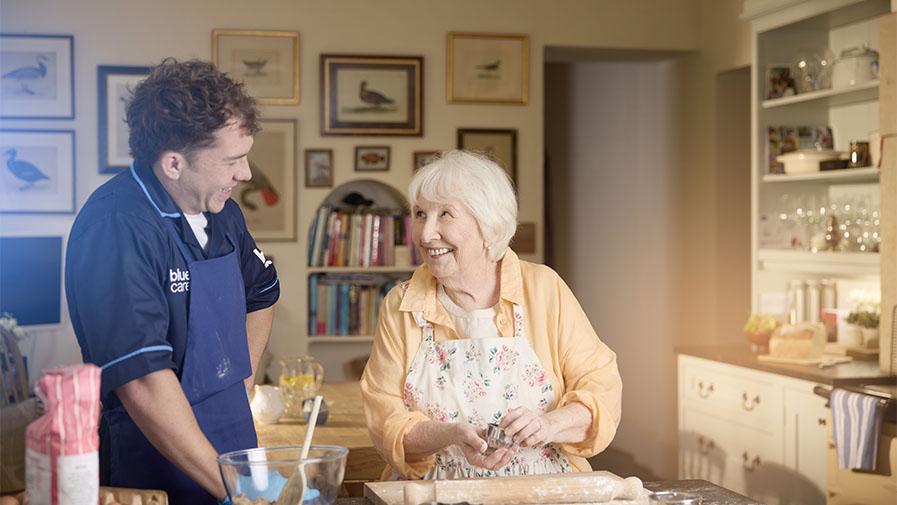
Help with meals, drinks and swallowing guidance
A stroke may affect appetite, coordination or the ability to swallow.
Some people may need help preparing food. Others may have guidance from a speech and language therapist or dietitian about food textures, drinks or safe eating positions.
A care professional can follow the instructions recorded in the care plan.
Support may include:
Preparing agreed meals and drinks
Helping the person sit in the recommended position
Cutting food into manageable pieces
Giving the person enough time to eat
Offering agreed support with eating and drinking
Recording food or fluid intake when required
Following instructions about food texture or drink thickness
Reporting concerns to the right person
Care professionals will not assess swallowing difficulties or change clinical guidance.
Any concerns about swallowing, choking, coughing during meals or a sudden change in eating should be shared with a healthcare professional.
Support with prescribed medication
A stroke may lead to changes in someone’s prescribed medication.
There may be new medicines, different timings or a routine that feels difficult to remember.
Depending on the agreed care plan, a care professional may:
Remind you when medication is due
Bring medication to you
Support you to take it as agreed
Record the support provided
Check whether supplies are running low
Collect prescriptions where this has been arranged
Report missed doses or concerns through the agreed process
Our care professionals cannot prescribe medication or change the dose.
Questions about side effects, missed medication or changes to treatment should be discussed with a pharmacist, GP or another healthcare professional.
Tiredness and changes in energy
Tiredness is common after a stroke.
You may find that washing, dressing, talking or concentrating takes more energy than it did before. You may also need more rest between activities.
A care professional can help you plan a routine that takes your energy levels into account.
This might include:
Completing tasks at the time of day you feel strongest
Breaking activities into smaller stages
Allowing time to rest
Preparing meals in advance
Reducing unnecessary trips around the home
Helping with household tasks that feel tiring
Supporting a regular morning and bedtime routine
We’ll listen to how you feel on each visit and adjust the pace of support where needed.

Emotional support after a stroke
A stroke can affect how someone feels as well as what they can physically do.
You may feel worried, low, frustrated or angry. You may miss the routines and activities you had before. Family members may also be dealing with worry and uncertainty.
A care professional can provide a familiar face and someone to talk to.
They can support you to:
Stay in contact with family and friends
Take part in hobbies at home
Spend time outdoors
Visit a local café, shop or community group
Attend appointments
Rebuild a weekly routine
Talk about how you are feeling
Have company during the day
Care professionals are not counsellors or medical practitioners. Where further help is needed, we can support you to speak with the right healthcare professional.
Supporting family members after a stroke
Family members often take on new responsibilities after someone has a stroke.
You may be helping with meals, personal care, appointments, medication or household tasks. You may also be trying to balance work, children and your own health.
Stroke care at home can share some of that responsibility.
A care professional can provide agreed support while family members rest, work or spend time on other parts of life.
With the customer’s permission, we can keep family members involved in discussions about:
The care plan
Daily routines
Changes in support needs
Appointments
Progress with agreed goals
Any concerns that need attention
You can still be an important part of your loved one’s life without having to manage every part of their care alone.
How stroke care can support your independence
A stroke affects everyone differently.
Some people recover quickly and only need short-term support. Others may need ongoing help with daily life. There is no right or wrong pace, and your care should reflect what works for you.
At Bluebird Care Bromsgrove & Redditch, we’ll support you to do as much as you’re able to, while being there whenever you need a helping hand.
For some people, that means support for a few weeks after leaving hospital. For others, it means regular visits that become part of everyday life.
Whatever stage you’re at, we’ll work with you to provide care that fits around your routines, goals and preferences.

Why choose Bluebird Care Bromsgrove & Redditch for stroke care?
Choosing care after a stroke is an important decision.
You want to know that the people coming into your home will listen, treat you with respect and support you in the way that’s right for you.
Our local care professionals take time to get to know every customer. We’ll learn about your routines, the support you need and the things that help you feel like yourself.
When you choose Bluebird Care Bromsgrove & Redditch, you can expect:
Care that fits around your daily life
Regular care professionals wherever possible
Flexible care that changes as your needs change
Support that encourages independence rather than taking over
Close communication with your family if you would like them involved
A local office team that’s easy to contact
Visits from a trusted care provider serving Bromsgrove, Redditch and the surrounding areas
We know that even small improvements can make a big difference to daily life, and we’ll be there to support you every step of the way.
Flexible stroke care that changes with you
Recovery doesn’t always follow a straight path.
Some weeks you may feel stronger and more confident. At other times you may need a little extra support.
Because our care is built around you, your care plan can change whenever your needs change.
You may decide to:
Increase or reduce the number of visits
Add support after a hospital appointment
Arrange overnight care for a short period
Include companionship visits
Receive extra support while a family member is away
We’ll review your care with you regularly so it continues to reflect what you need.
Live-in stroke care
Some people need more regular support following a stroke.
Live-in care means a care professional lives in your home to provide support throughout the day, while helping you continue living in familiar surroundings.
This can be a good option if you need regular help with daily routines, moving around your home or personal care, but would prefer to stay at home rather than move elsewhere.
Live-in care can include support with:
Personal care
Preparing meals
Mobility around the home
Prescribed medication routines
Household tasks
Shopping
Attending appointments
Companionship
Overnight reassurance where agreed
We’ll talk with you about whether live-in care is the right option for your circumstances.
Respite care after a stroke
Looking after someone after a stroke can be rewarding, but it can also be tiring.
Family members sometimes need time to rest, attend appointments, go to work or simply have a break.
Our respite care gives family carers peace of mind, knowing their loved one is being supported by experienced care professionals.
Whether you need support for a few hours, a weekend or longer, we’ll provide care that follows your loved one’s usual routines.
Arrange stroke care in Bromsgrove and Redditch
If you or someone close to you is recovering from a stroke, we’re here to help.
We’ll take time to understand your situation, answer your questions and talk through the support available.
Whether you need short-term help after leaving hospital or longer-term care at home, we’ll work with you to build a care plan that fits around your life.
Contact Bluebird Care Bromsgrove & Redditch today to arrange a conversation with our local team and find out how stroke care at home could support you.
Make an enquiry
See care services in Bromsgrove & Redditch
East Midlands
East of England
Greater London
North East
North West
Northern Ireland
Scotland
South East
South West
Wales
West Midlands
Yorkshire and the Humber
East Midlands
East of England
Greater London
North East
North West
Northern Ireland
Scotland
South East
South West
Wales
West Midlands
Yorkshire and the Humber
FAQ
Everything you need to know about Stroke Care
Stroke Care stories
We have helped thousands of people feel like themselves
Hear how Bluebird Care has empowered customers across the UK to live life on their terms.