Palliative & End of Life Care
Palliative and end-of-life care at home in Bromsgrove and Redditch
It means resting in their own bed, keeping treasured belongings nearby and spending time with the people they love. It also allows everyday routines to continue for as long as they feel right.
When someone is living with a life-limiting illness, being at home can bring comfort and familiarity.
At Bluebird Care Bromsgrove & Reddititch, we provide palliative and end-of-life care for adults who wish to remain at home.
Our care professionals offer practical and emotional support while respecting each person’s wishes, beliefs and way of life. We can also help family members feel less alone as needs and circumstances change.
Whether care is needed for a few hours each week or throughout the day and night, we’ll listen carefully and agree support that feels right for everyone involved.
Local care in familiar surroundings
For many people, home is where they feel most comfortable.
It may be where they have built a life with their partner, raised a family or spent years getting to know their neighbours. Remaining there can help someone stay close to familiar faces, routines and memories.
Our local team supports people and families across Bromsgrove, Redditch and nearby communities.
Before care begins, we’ll take time to understand:
What matters most to the person
How they would like to spend their days
Their usual routines and preferences
Their faith, culture and beliefs
The people they want involved in their care
The practical help they need
Guidance from their healthcare team
We’ll then agree a care plan with the person and, with their permission, those close to them.
What is palliative care?
Palliative care supports people living with an illness that cannot be cured or that may shorten their life.
It focuses on comfort, daily wellbeing and helping someone live as well as possible. It can begin at any point after a diagnosis and may continue for months or years.
Some people receive palliative care while still having treatment for their illness.
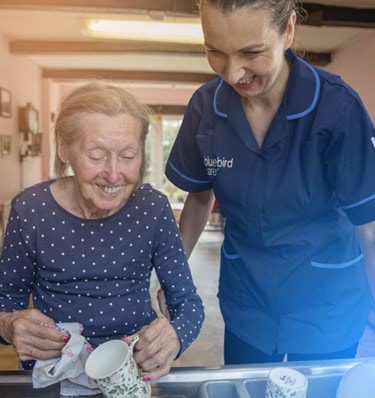
Care at home may include help with personal care, meals, movement, prescribed medication and household tasks. It can also provide company, reassurance and support with the routines that matter to the person.
Healthcare professionals will remain responsible for medical treatment and symptom management. Our role is to provide agreed care and practical help at home.

What is end-of-life care?
End-of-life care supports someone who is approaching the final stage of their life.
This may last for days, weeks, months or longer. The timing will be different for each person and will be guided by their healthcare team.
The focus is on helping the person remain comfortable, respected and involved in decisions wherever possible.
Our care professionals can support the person and their family throughout this time. They will follow the agreed care plan, pay attention to changes and stay in close contact with the people involved in their care.
How can care at home help?
The support someone needs may change over time.
A care professional can help with:
Washing, dressing and personal care
Using the toilet and continence care
Changing position and moving safely
Getting in and out of bed
Preparing meals and drinks
Agreed support with prescribed medication
Light household tasks and laundry
Keeping the person’s room calm and comfortable
Companionship and a listening ear
Following familiar routines
Support during the evening or night
Keeping family members informed as agreed
Contacting the right healthcare professional when needed
Every care plan will reflect the person’s wishes, abilities and health needs.
We’ll offer help gently, explain what we are doing and give the person time to make choices.
Respecting personal wishes and beliefs
What brings comfort will be different for everyone.
One person may want family nearby and conversation around them. Another may prefer peace and quiet. Someone may wish to listen to music, sit by an open window or keep photographs and familiar belongings close.
Faith, culture and personal beliefs may also shape how someone wishes to be cared for.
We’ll listen without making assumptions and record what matters in the care plan. As wishes or circumstances change, we’ll review the plan with the person and those they have chosen to involve.
Working alongside nurses and healthcare professionals
Palliative and end-of-life care often involves several people.
This may include a GP, district nurse, hospice team, specialist nurse, pharmacist or other healthcare professional.
With permission, we can work alongside them and follow the guidance they provide.
Our care professionals can share observations, keep agreed records and contact the right person when there is a change in someone’s usual condition.
They do not diagnose symptoms, prescribe treatment or make medical decisions. These remain the responsibility of the person’s healthcare team.

Support for family members
Caring for someone close to you can be physically and emotionally tiring.
You may be helping during the day, waking during the night or trying to balance care with work and family life. You may also be dealing with worry, sadness and uncertainty.
Care at home can give you time to rest, sleep or spend time with your loved one without needing to manage every practical task.
We’ll listen to your concerns, explain the support being provided and keep you involved in the way your loved one has agreed.
You are not expected to manage everything alone.
Care that can change as needs change
Palliative and end-of-life care is not fixed.
Someone may need a small amount of help at first, then more support as their illness develops. At other times, symptoms may settle and less care may be needed.
We can provide:
Regular home care visits
Longer visits during the day
Evening support
Respite care for family members
We’ll review the care plan regularly and adjust the support when needs, wishes or circumstances change.
Help with comfort and everyday routines
Small details can make a big difference to how someone feels at home.
A care professional can help keep familiar routines in place, prepare food and drinks, support personal care and make sure important belongings are close by.
They can also help create a calm environment by reducing noise, adjusting lighting or helping someone settle in a comfortable position.
Where a person has been given guidance about symptom management, mobility or equipment, we’ll follow the agreed instructions in their care plan.
Support during the night
Night-time can feel especially difficult for someone who is unwell and for the family members caring for them.
A person may need help changing position, using the toilet, taking agreed prescribed medication or simply having someone nearby for reassurance.
We can provide overnight care based on the person’s needs and care plan.
This can also give family members the chance to rest, knowing that support is there.
Respite care for family members
Family members often want to provide as much care as they can, but everyone needs time to rest.
Respite care can provide support for a few hours, overnight, several days or longer.
This may give you time to sleep, attend an appointment, spend time with other family members or simply step away for a while.
Taking a break does not mean you are stepping back from the person you love. It can help you keep going and spend more meaningful time together.
Care in the final days of life
When someone enters the final days of life, their comfort and wishes remain at the centre of their care.
Our care professionals will follow the agreed plan and work alongside the healthcare professionals involved.
Support may include personal care, changing position, mouth care, keeping the room comfortable and being present with the person.
We’ll also offer practical help to family members and contact the right healthcare professional when there is a change or concern.

Why choose Bluebird Care Bromsgrove & Redditch?
Choosing care at this stage of life is deeply personal.
You need to know that the people coming into the home will listen, respect the person’s wishes and treat every moment with care.
Our local team takes time to understand:
What matters most to the person
How they would like to be cared for
Their routines, beliefs and preferences
Who they want involved
The practical help they need
How the family would like to be kept informed
Guidance from the healthcare team
We’ll carefully match the person with care professionals who can provide calm, respectful support.
Where possible, we’ll provide a small and familiar team.
Getting started with palliative or end-of-life care
You do not need to wait until things become unmanageable before speaking to us.
Our Bromsgrove & Redditch team will listen to what is happening and explain the support available.
We’ll arrange a meeting to learn more about the person’s health, wishes, home and routine. With permission, we can also speak with the healthcare professionals involved.
From there, we’ll agree a care plan together.
Care can begin with a small amount of support and change as needed.
Talk to our local team
Speaking about palliative or end-of-life care can feel difficult.
You do not have to have every answer before getting in touch.
Our Bromsgrove & Redditch team will listen, explain the options and help you find care that respects the person’s wishes and keeps them close to the people and surroundings they know.
Because, as everyone knows, it’s good to be home.
Make an enquiry
See care services in Bromsgrove & Redditch
East Midlands
East of England
Greater London
North East
North West
Northern Ireland
Scotland
South East
South West
Wales
West Midlands
Yorkshire and the Humber
East Midlands
East of England
Greater London
North East
North West
Northern Ireland
Scotland
South East
South West
Wales
West Midlands
Yorkshire and the Humber
FAQ
Everything you need to know about Palliative & End of Life Care
Palliative & End of Life Care stories
We have helped thousands of people feel like themselves
Hear how Bluebird Care has empowered customers across the UK to live life on their terms.