How attached are they to their home?
Some people are ready for a change and like the idea of company and activities on tap. Others have lived in the same house in Bridgwater, Cannington or Watchet for 40 years, and the thought of leaving is upsetting. For that second group, staying put often matters more than anything else.
Is there a pet?
Pets are one of the most common reasons people turn down a care home. With live-in care, the cat stays, and the dog still gets walked.
Are they part of a couple?
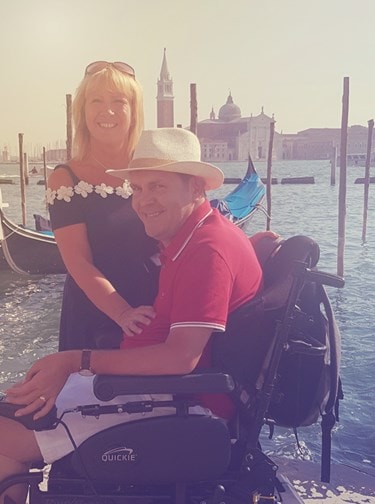
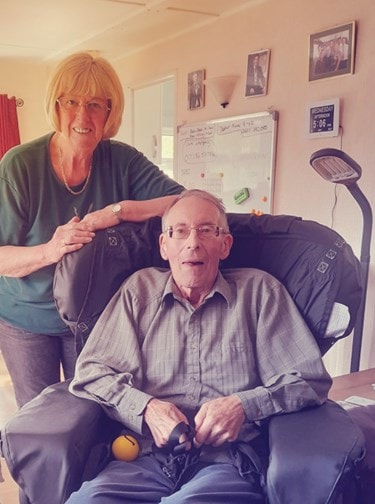
This one is often overlooked. When one partner needs care, a care home can mean separating after decades together. We offer live-in care for couples, so both people stay home together, with one carer supporting both.
Is there a spare bedroom?
Live-in care needs a private room for the carer, plus somewhere for them to keep food and take breaks. If there's no spare room, live-in care may not work, and visiting care or a care home might be better.
How much one-to-one attention do they need?
In a care home, staff look after several residents at once. A live-in carer is there for one person (or one couple). That makes a difference for people living with dementia, who often do better with a familiar routine and familiar surroundings.
What about cost?
For one person, live-in care and a good residential home can work out in a similar range, depending on needs. For a couple, live-in care is often better value than two care home places. We'll give you clear figures for your situation.
Can you try it first?
Yes. Short-term respite live-in care is a good way to see how it feels, for example while a family carer has a break, or after a hospital stay.