Keep the routine, and write it down
People living with dementia often feel calmer when the day has a rhythm: breakfast at the same time, a walk after lunch, the same programme in the evening. We write these routines into each person's care plan in detail, so every carer who visits follows the same pattern.
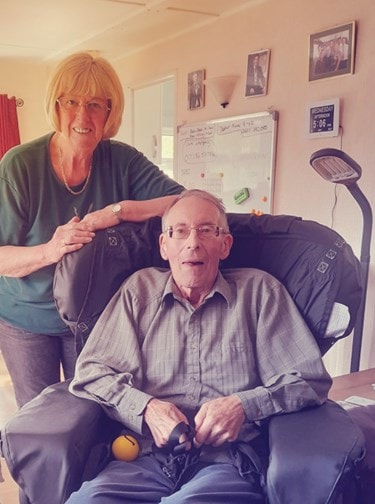
At home, a simple whiteboard in the kitchen with the day, date and who's visiting can save a lot of anxious questions.
Same faces, as often as possible
A new face every visit can be unsettling. We keep a small, consistent team of carers for each person, and we introduce new carers alongside a familiar one where we can.
Make the house easier to read
- Pictures or labels on cupboard doors (cups, plates, tea)
- A contrasting coloured toilet seat, which helps people find it
- Good lighting in hallways and on the stairs, especially at night
- Removing patterned rugs, which can look like holes or steps
Use life story, not just care tasks
We ask families for a short life story: where they grew up, their work, their family, music they loved. A former farmer from the Levels might settle when talking about cattle prices. Someone who worked at the old British Cellophane factory might love being asked about it.
Those conversations aren't small talk. They're how carers build trust, and how they calm someone on a difficult day.
Watch for changes that aren't the dementia
Sudden confusion is often blamed on dementia when it's actually something treatable, such as a urine infection, dehydration or a reaction to medication. Our Health & Wellbeing Checks help here. Carers can check temperature, pulse, blood pressure and oxygen levels using NHS-recognised tools, and flag changes to the family and local health team early.
Look after the carer at home, too
If you're caring for a husband, wife or parent with dementia, you need breaks. Respite care can cover an afternoon each week, or a week or two while you rest. Night care can help if nights have become broken.
Local support is worth knowing about too, including the Alzheimer's Society and memory cafés around Bridgwater and West Somerset.
To talk about dementia care at home, call 01278 488799.