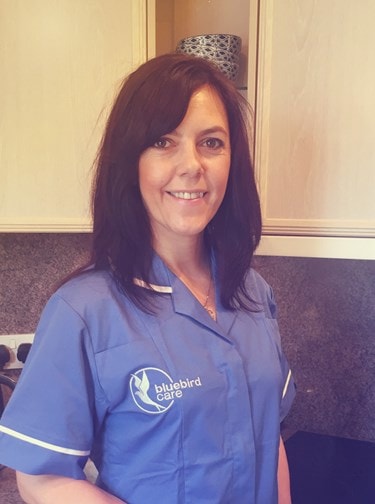
So when it comes to something as important as caring for an elderly parent, relative or loved one, why should you accept anything less?
Choosing a CQC-regulated care provider gives families an additional level of reassurance that the organisation providing care is subject to independent regulation and scrutiny.
At Bluebird Care Taunton & Mid-Devon, we are regulated by the Care Quality Commission (CQC), the independent regulator of health and adult social care in England.
What Is the Care Quality Commission?
The Care Quality Commission, commonly known as the CQC, is the independent regulator of health and adult social care in England.
Its purpose is to protect people who use health and social care services and to promote and improve the quality of care. The CQC's stated vision is that everyone should receive safe, effective and compassionate care.
The CQC regulates a wide range of services, including home care agencies, care homes, hospitals, GP practices, clinics and other health and social care services.
For care providers carrying out regulated activities, CQC registration is a legal requirement unless a specific exemption applies.
What Does Being CQC Regulated Mean?
Being regulated by the CQC means a care provider has to meet the requirements that apply to the regulated activities it provides.
The CQC registers providers, monitors services, assesses quality, publishes its findings and can take action when it identifies concerns or breaches of regulations.
The CQC also publishes information about registered services, allowing members of the public to search for care providers and review information about their quality and performance.
This provides families with an important source of independent information when they are comparing care providers.
How Does the CQC Assess Care?
The CQC assesses the quality and performance of regulated services using evidence gathered through its assessment process. Depending on the service, evidence can come from information already available to the CQC as well as information gathered during assessments and inspections.
Where ratings are applicable, services can be rated:
- Outstanding
- Good
- Requires improvement
- Inadequate
These ratings provide families with an accessible way to understand the CQC's judgement of a service.
The CQC also publishes information about its judgements, giving people the opportunity to look beyond a provider's own marketing and understand what the independent regulator has found.
Why Does Regulation Matter When Choosing Home Care?
Inviting a care professional into your home is very different from hiring someone to carry out a one-off job.
A home care professional may be supporting someone with personal care, mobility, medication, meals and other aspects of their daily life. They may also be supporting someone who is vulnerable, recovering from illness or living with reduced independence.
That makes trust incredibly important.
Choosing a regulated home care provider means you are choosing an organisation that operates within a regulated framework and is subject to external oversight.
For families, that can provide valuable reassurance that the organisation providing care is accountable for the service it delivers.
Regulation Is About More Than a Logo
It is important to remember that CQC regulation does not mean you should stop asking questions when choosing a care provider.
Families should still look at the provider's CQC profile, read its inspection and assessment information where available, ask about training and find out how the provider manages things such as care continuity, safeguarding, medication and emergencies.
The CQC itself provides a public search facility where people can find and compare health and social care services.
A good care provider should be happy to explain how it works and give families confidence in the support their loved one will receive.
Choosing Bluebird Care Taunton & Mid-Devon
At Bluebird Care Taunton & Mid-Devon, we understand the responsibility that comes with providing care in someone's home.
Our customers and their families trust us to provide professional support while treating every person with dignity, kindness and respect.
Our care team provides a range of services, from everyday home care and companionship to specialist support such as Pathway 1, previously known as Discharge to Assess (D2A), helping people recover and regain independence following a hospital stay.
We also invest heavily in training and development, ensuring our care professionals have the knowledge and practical skills needed to support customers safely and confidently.
Do Your Research Before Choosing a Care Provider
When you are choosing care for someone you love, it is worth taking the time to research your options.
Ask yourself:
Is the provider CQC registered?
Can I find their information on the CQC website?
What does the CQC say about their service?
What training do their care professionals receive?
How do they manage sickness and staff shortages?
What happens if my regular carer cannot attend?
How will they respond if my loved one's needs change?
These questions can help you understand whether a provider is equipped to deliver reliable, professional care.
At Bluebird Care Taunton & Mid-Devon, we believe families deserve to feel confident in the people they are trusting with the care of their loved ones.
Because when it comes to something as important as care, trust should never be an assumption. It should be earned.