

It’s four in the afternoon, and the light is already going. The front step is wet, and the recycling still needs to go out. It’s a job you’ve done a hundred times, but today you find yourself looking at the step and wondering whether to leave it until morning.
Winter can make familiar routines feel less straightforward. You might feel fine walking to the shops on a bright morning but less sure of yourself on the way home at dusk. You might be happy making your own breakfast once you’re downstairs, even if the first trip down is starting to feel harder.
Those differences are useful. They tell you where a small change might help you carry on with the parts of your day you want to keep.
Start with the moment that feels difficult
If you’re worried about a parent falling, it’s tempting to jump straight to what they should stop doing. A better place to start is to ask what they’ve noticed. Has the walk to the bin become awkward because they need one hand for the back door and another for the bag? Is the front step harder to judge when the porch light is off? You may be worrying about something quite different from the thing that’s bothering them.
Try asking, ‘Is there a bit of the day that feels harder at the moment?’ Give them a chance to tell you what they’d change. Your dad might be glad of help carrying the shopping through the front door and still want to choose every item himself. Your mum might prefer to shift her usual walk to late morning, when she can see the pavement more clearly, and keep going on her own when conditions suit her.
If a little help would make your usual routine easier this winter, explore our home care in South Gloucestershire and see how visits can fit around your day.
Make the routes you use every day easier to see
Think about the journey from the bedroom to the bathroom. It’s easy to overlook when you’re visiting in daylight. At night, the light switch might be across the room, or the corner of a rug might be hard to see. Putting a lamp within easy reach and clearing loose cables or rugs from the route can make it easier to move around. If a mat keeps slipping or a step feels awkward, those are good places to start. The NHS also suggests considering safety rails on steps and grab rails in the bathroom.
Make changes together. If a rug needs moving, talk about where it could go. If there’s a favourite chair in the hallway that’s used for putting shoes on, moving it out of the walking route may be more helpful than taking it away altogether. A quick walk through the house together can reveal more than a list drawn up from the kitchen table.
Keep going out when the conditions suit you
A walk into Chipping Sodbury for a coffee or a trip to the shops in Yate might be one of the few occasions in the week when you see someone you know. If you’ve started turning down those outings because the pavements are slippery or the light’s fading, think about which part you could change. You might head out earlier, choose a route with fewer uneven stretches or ask someone to join you on a day when you’d like company.
Well-fitting shoes or slippers with a good grip can help, indoors and out. The NHS also recommends staying active and doing activities that build strength and balance. If you’ve fallen or are worried about your balance, speak to your GP. They may be able to refer you to a falls service for advice and exercises suited to you.
The plan can be different on different days. If it’s icy underfoot in Thornbury, you might arrange a lift to meet a friend and save the walk for a clearer day. You still get to go for coffee.
If you’re the friend or relative offering that lift, try making it a simple invitation. ‘I’m heading that way on Thursday. Would you like a lift?’ leaves room for someone to say yes, or to tell you they’d rather go another day. It also makes it easier to accept help with one outing without feeling that every future trip needs to be arranged for them. The next time the weather clears, they can decide for themselves how they’d like to get there.
Put help where it makes a difference
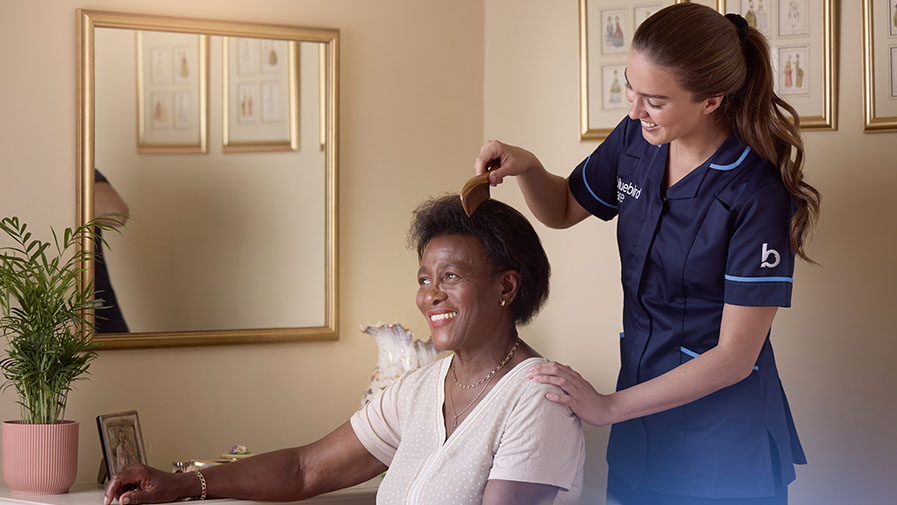
Sometimes it’s one part of a routine that has become difficult. Getting washed and dressed might take more energy than it used to, but once you’re ready, you’re happy to make breakfast and get on with the morning. In that situation, a visit at the time you usually get up may be more useful than several visits spread across the day.
With home care visits, you can talk through which parts of the day you’d like help with. Someone might want a hand getting ready for a regular outing, then be happy to meet their friends on their own. Another might prefer company on the walk itself so they can take their time on the way there and come back when they’re ready.
It’s worth talking about what good support would look like in your house. If you like to make your own lunch, say so. Perhaps the useful bit is help bringing things into the kitchen or putting the shopping away where you can reach it. Being clear about what you want to keep doing gives your carer a better idea of when to step in and when to give you space.
Take a fall or a change in balance seriously
If you’ve had a fall, even if you seem to have come away without an injury, the NHS recommends speaking to your GP. The same applies if you’re concerned about your balance or mobility. If you think a medicine might be affecting your balance, ask your GP or pharmacist for advice.
It’s also worth agreeing what you’d do if you fell. A mobile phone on the kitchen counter isn’t much use if you’re in the hallway, so keeping it on you or wearing a personal alarm may be more practical. If someone falls and cannot get up, or may have injured their head, back, neck or hip, call 999. More advice is available in the NHS guide to falls.
Talk about what you want to keep doing
When you’re looking into support at home, it can help to talk about a good day as well as a difficult one. Which things do you look forward to? Is it getting to the newsagent yourself, choosing what to cook or opening the door when a friend calls? Then think about what gets in the way on a darker or wetter day. That gives you something specific to bring to a first conversation, even if you’re still working out what help you might want.
Bluebird Care provides home care in South Gloucestershire, with visits arranged around your routines and preferences. If there’s a part of your day you’d like a little help with this winter, call 01454 323 624 to talk it through with our local team.