

Coming home from hospital can feel like a relief. The ward is behind you. The waiting is over. You or a family member is back in familiar surroundings, away from the noise, bright lights and routines of hospital life.
But for many families, that relief can quickly be followed by a different feeling.
What happens now?
Leaving hospital is not always the end of a difficult period. In many cases, it is the beginning of a new stage of recovery. The first few weeks at home can be uncertain, emotional and physically demanding.
Someone may be medically well enough to leave hospital, but still feel weaker, less steady, more anxious, or less confident than they did before.
Everyday tasks that once felt routine can suddenly feel much bigger. Getting washed and dressed. Making a meal. Moving safely around the home . Remembering medication. Sleeping properly. Managing stairs. Answering the door. Attending follow-up appointments.
These are often the moments where the right support can make a real difference. With the right support, people can regain confidence, rebuild their independence and focus on what matters most - getting better.
For people returning home in Solihull, reablement care can provide that extra support during the transition from hospital to home, helping them recover safely while maintaining as much independence as possible.
Why the first few weeks at home can feel so fragile
A stay in hospital can affect more than a person’s physical health.. Even a short stay can impact strength, balance, appetite, sleep, confidence and emotional wellbeing.
Someone who was managing perfectly well before may come home feeling unsure of themselves. They may move more carefully, avoid certain tasks, or feel nervous about doing things they once did without a second thought..
For many people a fall, infection, operation or period of illness can interrupt the normal routine that helped them stay independent. Time spent in bed or sitting for long periods can affect mobility and stamina. Medication may have changed. The home itself can feel different because it is now being viewed through the lens of recovery.
A step at the back door feels higher.
The bathroom feels further away.
The kettle feels heavier.
The stairs feel less predictable.
Families often notice these changes before their loved one says anything. They see hesitation before standing up. The extra time it takes to walk across a room. The tiredness that arrives earlier in the day. The frustration of needing help with something that was once straightforward.
They may also hear the words many families recognise:
“I’m fine.”
Sometimes that is an attempt to reassure those around them. Sometimes, it is an attempt to reassure themselves.
This is why the first few weeks back home matter so much. The right support at the right time can help prevent a temporary setback from becoming a longer-term loss of confidence and independence.
Home can be comforting, but it can also be challenging
There is a reason so many people want to recover at home.
Home is familiar. It holds memories, routines and a sense of normality. That might mean being close to family in Shirley, seeing neighbours in Knowle, familiar shops in Solihull town centre, local appointments in Dorridge, or the ordinary rhythm of life at home in Balsall Common or Hampton-in-Arden.
Being home can lift someone’s spirits. They can sit in their own armchair. Sleep in their own bed. Eat when they want. See familiar faces. Return to the small details of daily life that can make recovery feel possible.
But home does not automatically make recovery easy. Unlike hospital, there is no call bell by the bed. No nurse checking in throughout the day. Family members often want to help, but they may also be working, raising children, living elsewhere, or unsure what level of support is needed .
This can leave families feeling caught in the middle. They want to encourage independence, but they do not want to take risks. They want to help, but they do not want to take over. They want their loved one to recover, but they may not know what realistic progress should look like.
That is where reablement care can make a real difference.
What reablement care is really about
Reablement care is short-term support designed to help someone regain confidence, rebuild everyday skills and adjust safely after a setback such as illness, injury, surgery or a hospital stay.
It is not simply about doing everything for someone.
In many cases, the aim is to help them get back to doing more for themselves. That might mean practising getting up safely, preparing simple meals, washing and dressing, moving around the home, remembering medication routines, or building the confidence to go outside again.
The support is practical, but it is also encouraging. A good reablement approach recognises that recovery is rarely a straight line. Some days are better than others. Confidence often returns gradually. People still need reassurance, patience and the right amount of support, without feeling that their independence has been taken away.
For families looking at reablement care in Solihull, this kind of support can bring structure, reassurance and practical support during a period that often feels uncertain.
Dorinda’s story: rebuilding confidence step by step
Dorinda’s experience shows how reablement care can work in real life. After leaving hospital with a broken arm, she was less mobile and less confident than before. Everyday tasks felt harder, and she needed support to feel safe at home again.
Bluebird Care Solihull introduced a managed start, carefully matching Dorinda with a carer who understood when to step in and when to encourage her to try things for herself.
At first, support was more hands-on. Her carer helped with meals, personal care and daily routines, making sure Dorinda felt safe and reassured. As her strength improved, the support gradually changed. Dorinda was encouraged to take a more active role, from helping to prepare meals to applying her own creams using her non-injured arm.
The focus was not only on practical recovery. Dorinda was also supported to stay socially connected, meet friends, attend appointments and gradually return to driving when she felt ready.
By the end of eight weeks, she had regained her independence and confidence.
That is what reablement care is designed to do: provide the right support at the right time, then help someone get back to doing more for themselves.
Why confidence can be as important as strength
When people think about recovery after a hospital stay or prolonged period of illness, they often focus on physical ability.
Can they walk safely?
Can they manage the stairs?
Can they get in and out of bed?
Can they prepare meals?
These questions matter . But confidence can be just as important. A person may be physically able to do something , but still feel afraid to try. They may worry about falling, becoming breathless, forgetting something or simply not being able to manage if something goes wrong.
For someone who has always been independent, that loss of confidence can be difficult to accept. They may become cautious and withdraw from activities they once enjoyed. Others may try to do too much too soon because they are determined to prove they can still manage.
Families often feel the pressure too. Everyone wants their loved one to recover, but no one is entirely sure what the right balance between support and independence looks like.
When confidence drops, life can become smaller very quickly.
A person may stop going into the garden. They may avoid bathing. They may spend most of the day in one room. They may stop preparing proper meals because it feels too tiring or unsafe.
This is where reablement care can make a real difference.
Rather than taking over, reablement focuses on helping people rebuild confidence through small, achievable steps. That might mean standing nearby while someone practises moving safely around the home, preparing lunch together rather than doing it all for them, or encouraging a short walk to the front door before gradually building up to more..
Small steps can rebuild confidence, restore independence and help people move forward safely.
How reablement care can support daily routines
The first few weeks after hospital discharge often depend on ordinary routines working well. Mornings need to feel manageable. Medication needs to be taken correctly. Meals need to happen. Personal care needs to feel dignified. The home needs to be safe enough for the person to move around with confidence.
Rather than focusing on tasks alone, reablement care focuses on helping someone regain confidence in their everyday life. That might mean supporting them to get ready for the day, move around the home more safely, prepare meals, attend appointments or gradually return to routines that have become more difficult following illness, injury or a stay in hospital.
The important part is that support can change as the person improves. At the beginning, someone may need hands-on help with several parts of the day. A few weeks later, they may only need reassurance with certain tasks. As confidence grows, the care plan can adapt.
This flexibility is part of what makes reablement care different from simply arranging general help at home. The support is designed to change as recovery progresses, helping people regain independence rather than become dependent on care.
Supporting recovery and the people around it
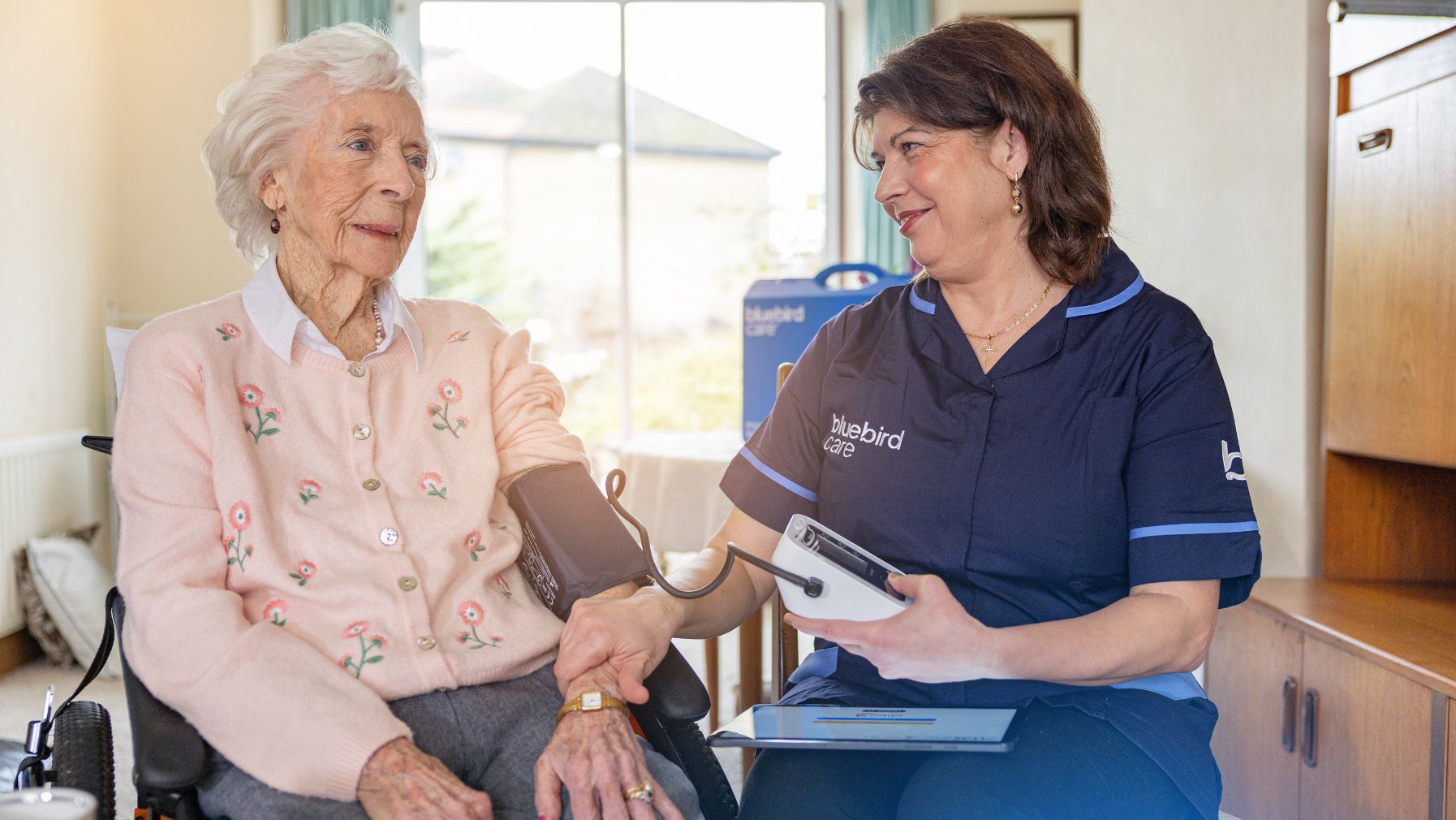
The early days at home can be vulnerable, as small difficulties can quickly build.
If someone is not eating well, avoiding movement, struggling with medication routines, or feeling nervous about washing and dressing, recovery can become harder. Families may not always notice these changes straight away, especially if someone says they are managing when parts of the day have started to feel difficult.
Reablement care provides another layer of support during this stage.
A carer can help notice small changes, encourage safe routines, support meals, prompt medication where appropriate and help someone practise everyday tasks at a manageable pace. This can reduce the risk of small setbacks becoming bigger problems, while helping confidence return gradually.
It can also support the family around them
When relatives are managing medication, meals, appointments, shopping and safety checks, visits can quickly become task-focused. The right support can ease that pressure, giving families more space for conversation, reassurance and simply being together.
This does not mean stepping back. It means sharing support in a way that feels more sustainable.
For a partner, it may mean sleeping better. For adult children, it may mean less worry between visits. For someone recovering at home, it can mean calm, practical encouragement from a carer trained to help rebuild confidence without rushing progress.
This is why reablement care can feel like a lifeline after a hospital discharge. It gives families a plan, helps daily life feel more manageable, and supports recovery at a pace that feels right.
There may still be difficult days, but with the right support in place, the first few weeks at home can feel less uncertain for everyone involved.
Helping home feel possible again
Coming home from hospital should feel like a positive step, but it is perfectly normal for the first few weeks to feel uncertain. Recovery is rarely just about healing physically. It is about rebuilding confidence, re-establishing routines and helping someone feel themselves again.
Reablement care supports those everyday moments that matter most: getting up safely, preparing meals, washing with dignity, moving with more confidence, remembering medication , and gradually returning to routines that make life feel normal
For some people, success means making their own breakfast again. For others, it may mean walking to the garden, getting out to the local shops, or simply feeling confident enough to see friends and family without becoming overwhelmed.
These may sound like small goals. But after a hospital stay, small goals can mean everything.
With the right reablement support in place, those first few uncertain weeks at home can become the beginning of safer, steadier and more confident recovery.
To find out more
Bluebird Care Solihull can help you support care at home. Chat with us to arrange a free, no-obligation assessment on 0121 812 9012 or email solihull@bluebirdcare.co.uk or fill in the form below and we will be in touch with you.