
How Hand Washing Prevents Viruses and Bacteria
The Simple Science Behind Staying Healthy
Washing your hands is one of the easiest and most effective ways to protect yourself and others from getting sick. But how exactly does handwashing prevent viruses and bacteria from spreading? And why is it so important in care settings, where vulnerable people are most at risk?
How Viruses and Bacteria Spread on Your Hands
Every day, our hands pick up microorganisms from almost everything we touch.
This includes:
Door handles
Phones and keyboards
Shopping trolleys
Money
Public transport
Food and packaging
Surfaces in care settings
Most germs spread through direct contact, meaning they transfer easily from your hands to your face, other people, and shared surfaces.
Because we touch our faces far more often than we think, around 15–23 times per hour, viruses and bacteria get a perfect opportunity to enter the body through the eyes, nose, or mouth.
In care environments, this risk is even higher during activities like personal care, preparing meals, medication handling, and supporting someone with mobility.
What Hand Washing Actually Does
1. Soap breaks down viruses
Many viruses, including flu, colds, and coronaviruses, are surrounded by a fatty outer layer. Soap contains molecules that break apart this fatty membrane, causing the virus to fall apart and become inactive.
2. Friction lifts bacteria from the skin
Bacteria cling to the natural oils on our hands. Rubbing your hands together with soap for at least 20 seconds creates friction that loosens and removes:
Bacteria
Dirt
Oils
Contaminated particles
3. Rinsing removes germs completely
Once loosened, germs are washed away down the drain. Without rinsing, they can stay on your skin, which is why quick “splash and dash” washing doesn’t work.
4. Drying matters too
Wet hands spread germs more easily. Drying thoroughly reduces the chance of bacteria regrowing or transferring to other surfaces.
Why Handwashing Works Better Than You Think
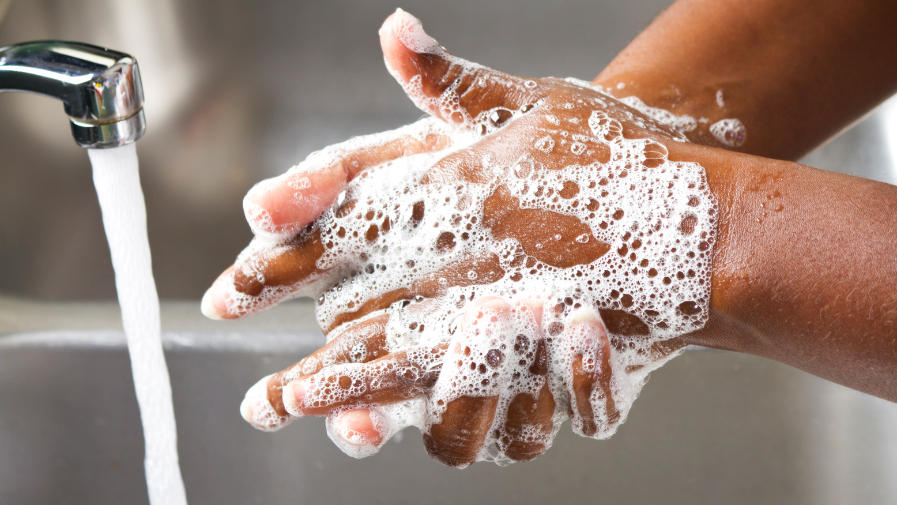
Handwashing removes or inactivates up to 99% of viruses and bacteria when done correctly. This makes it more effective than hand sanitiser in many situations — especially when hands are visibly dirty or contaminated.
Soap and water can remove tough germs like:
Norovirus
Clostridium difficile (C. diff)
Some bacterial spores
Bodily fluids
Food-related bacteria like Salmonella
Sanitiser has its place, but nothing beats proper handwashing for complete germ removal.
Why Handwashing Is Crucial in Care Settings
In home care and care homes, good hand hygiene protects people who may have:
Weaker immune systems
Long-term health conditions
Higher vulnerability to respiratory or stomach infections
By washing hands regularly, carers help prevent:
Viral outbreaks
Stomach bugs like norovirus
Respiratory infections
Cross-contamination between visits
Infections spreading between customers
A single carer may support many people in one day, so washing hands at the right moments is essential to keeping everyone safe.
See more about the importance here>
How to Wash Your Hands Properly
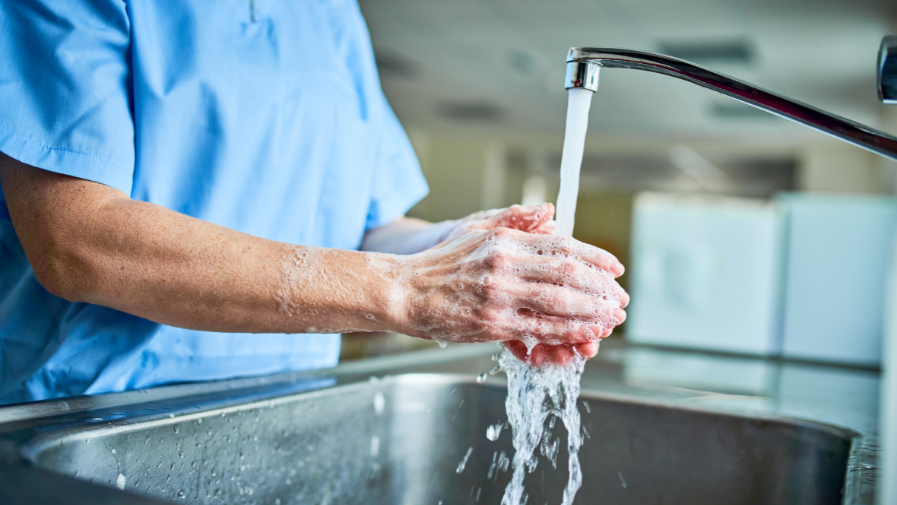
This ensures you remove germs from areas people often miss.
Follow the recommended 20-second technique:
Wet hands with clean, running water
Apply soap
Rub palms together
Clean backs of hands
Interlace fingers
Clean thumbs
Rub fingertips and nails
Rinse well
Dry thoroughly
Small Action, Big Impact
Handwashing seems simple, but it plays a huge role in reducing infection rates. By removing viruses and bacteria before they have the chance to spread, we protect ourselves, our families, and in care settings, the people who rely on us most.
A few seconds of soap and water can prevent illnesses, reduce outbreaks, and help create safer environments for everyone.

