Companionship Care in Highgate & Haringey
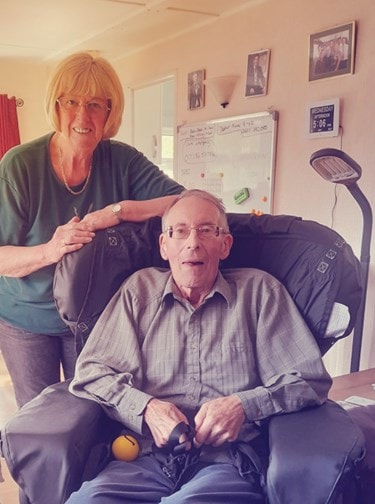
Companionship care, it’s good to make new friends
Sometimes what makes the biggest difference to someone’s week is simply having good company to look forward to.
Bluebird Care provides companionship care across Highgate, Haringey and surrounding neighbourhoods, including Muswell Hill, Stroud Green and West Green. Our care experts offer friendly, one-to-one company alongside practical support that helps customers stay connected to the people, places and activities they enjoy.
That could mean sharing a cup of tea and a conversation at home, heading out for lunch, rediscovering an old hobby or having someone alongside for everyday errands. The support is shaped around the person, so visits feel like a natural part of their life.
What is companionship care?
Companionship care provides regular social and emotional support for someone who would benefit from more company in their everyday life.
It is not simply about having someone present. A good companion gets to know the customer, understands their interests and spends time with them in ways they genuinely enjoy.
Visits can include conversation and shared activities as well as light practical help around the home or assistance getting out and about.
Someone might enjoy:
- Talking over a cup of tea
- Sharing meals
- Playing cards or games
- Reading or listening to music
- Revisiting favourite memories
- Going for a walk
- Visiting a café
- Shopping together
- Attending appointments or social activities
- Getting back into a hobby
The aim is to bring more connection and enjoyment into everyday life while respecting the customer’s independence.
Who can benefit from companionship care?
There are many reasons why someone might start spending more time alone.
Retirement, bereavement, reduced mobility or changes in health can all affect how often a person sees other people. Friends and relatives may live further away or have work and family commitments that make regular visits difficult.
Companionship may be particularly helpful for someone who:
- Lives alone
- Has become less confident about going out
- Misses having regular conversation
- Has stopped taking part in hobbies or social activities
- Would enjoy more structure in their week
- Wants company for appointments or outings
- Has family members who cannot visit as often as they would like
Some customers simply enjoy knowing there is a familiar person coming to see them each week. Others may want encouragement to become more active socially again.
There does not need to be a complex care need for companionship to be valuable.
Companionship care shaped around the person
Everyone enjoys different kinds of company.
One customer may look forward to chatting about current affairs, while another would much rather spend the afternoon gardening, baking or watching a favourite programme.
Our Highgate & Haringey team takes the time to learn about the customer’s personality, interests and usual routine before support begins.
Visits can then be planned around what they actually enjoy rather than following a standard list of activities.
Bluebird Care also aims to introduce customers to a small team of care experts who are well suited to them. Having familiar faces can help conversation and shared activities feel more relaxed as genuine relationships develop over time.
What can companionship care include?
Companionship can be as simple or varied as the customer would like.
Support may include:
- Conversation and company: Unhurried time to talk, listen, reminisce or simply enjoy someone else’s company.
- Hobbies and interests: Taking part in activities such as reading, puzzles, gardening, crafts, music or games.
- Meals together: Preparing a meal or snack and enjoying it together rather than eating alone.
- Shopping and errands: Company while buying groceries, collecting essentials or completing everyday errands.
- Household help: Light practical assistance with everyday jobs around the home.
- Appointments: A familiar person alongside the customer when visiting their GP or attending another appointment.
- Social outings: Support visiting friends, cafés, community activities or other favourite places.
- Trying something different: Encouragement to explore a new activity or enjoy an occasional day out.
What happens during a visit should reflect the customer’s preferences and how they want to spend their time.
Staying connected in Highgate and Haringey
For someone who has become less confident leaving home alone, having company can make local life feel accessible again.
A care expert might accompany the customer on a walk, join them for a trip to the shops or provide company while they visit somewhere they already know and enjoy.
For customers living around Muswell Hill, Stroud Green, West Green and elsewhere across Haringey, companionship can help them continue enjoying their local community rather than gradually becoming disconnected from it.
The outing itself does not need to be elaborate. Sometimes having someone to walk alongside or sit down for a coffee with is enough to make getting out feel enjoyable again.
Finding the right companionship
Companionship works best when the people spending time together feel comfortable with one another.
Shared interests can help, but personality matters too. Some customers enjoy plenty of conversation, while others prefer quieter company or spending time together around a particular activity.
Our team considers these preferences when arranging support and aims to provide familiar care experts who can get to know the customer over time.
This continuity helps visits feel personal rather than transactional and gives the customer the opportunity to build trust at their own pace.
When companionship needs change
Someone who initially only wants company may find their needs change later.
They might begin to need more help with meals, personal routines or other aspects of everyday life. Equally, someone who has lost confidence after illness or bereavement may gradually become more socially active and need less support.
Companionship can be reviewed as circumstances develop.
Bluebird Care Highgate & Haringey also provides other home care services, so the wider support available can be discussed if the customer begins to need additional practical or personal assistance.
The important thing is that care continues to reflect the person’s life rather than remaining fixed when their needs have changed.
Getting started with companionship care in Highgate & Haringey
If you or a loved one would enjoy more regular company, our Highgate & Haringey team can help you explore what companionship could look like.
We will take the time to understand the customer’s personality, interests, usual routine and the kinds of activities or support they would enjoy.
From there, visits can be arranged around what would make their week feel more connected and fulfilling.
Bluebird Care provides support throughout Highgate and Haringey, including Muswell Hill, Stroud Green and West Green.
Call Bluebird Care Highgate & Haringey on 0208 154 5578 for a friendly, no-obligation conversation about companionship care.
Make an enquiry
See care services in Highgate & Haringey
East Midlands
East of England
Greater London
North East
North West
Northern Ireland
Scotland
South East
South West
Wales
West Midlands
Yorkshire and the Humber
East Midlands
East of England
Greater London
North East
North West
Northern Ireland
Scotland
South East
South West
Wales
West Midlands
Yorkshire and the Humber
FAQ
Everything you need to know about Companionship Care in Highgate & Haringey
Companionship Care in Highgate & Haringey stories
We have helped thousands of people feel like themselves
Hear how Bluebird Care has empowered customers across the UK to live life on their terms.