Helping Harrogate become a more dementia aware community
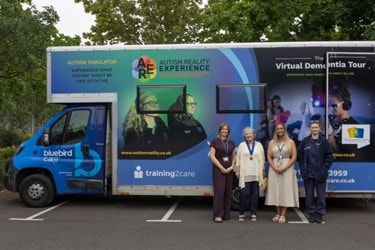
On 15th July, we welcomed local families, professionals, neighbouring businesses and members of the wider Harrogate community to the Virtual Dementia Experience at Cardale Park.
The interactive sensory experience was designed to offer an insight into some of the challenges a person living with dementia may face during everyday life. It encouraged people to think differently about communication, patience and the small changes that can help someone feel safer and better understood.
Dementia is about much more than memory loss. It can affect how someone understands their surroundings, processes information, communicates and carries out familiar tasks. What looks like someone being uncooperative may actually be someone feeling frightened, overwhelmed or unsure of what is being asked of them.
A little more understanding can change the whole experience.
.jpg?language=en "1200 x 800 px Dementia Bus (3)")
Harrogate came together to understand dementia
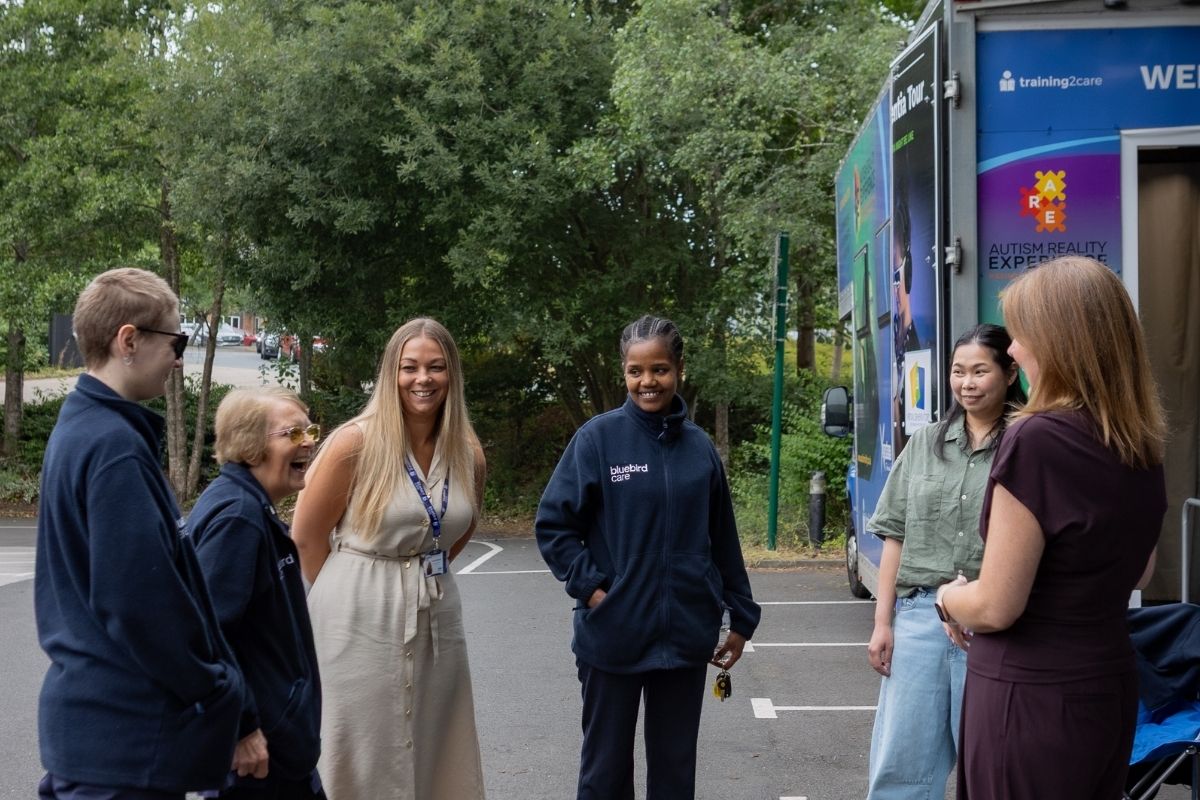
We were delighted to welcome Deputy Mayor, Councillor Chrissie Holmes, who took part in the sensory experience herself. Many of our neighbours from the Cardale Park business centre also joined us, alongside local people and family carers.
Raising awareness beyond our own care service is important to us. People living with dementia remain part of our workplaces, shops, neighbourhoods and families. When more people understand dementia, those living with it are more likely to feel included, respected and supported.
The event was created to give customers, families and members of the wider community a deeper understanding of dementia and the challenges it can bring.
One member of the public who took part told us:
“It was actually really emotional to get an insight into what my mum’s experience might be like. I only experienced it temporarily but I came away with a whole new level of compassion and empathy, as well as new techniques I can try to support Mum better. The Bluebird Care team were really welcoming and supportive and I had the opportunity to talk to them and share my experience. I took some great tips away with me but more than anything they listened to me and validated how difficult it is for families who are caring for their loved ones and trying to navigate life now that dementia is a part of it”
That response captures exactly why we wanted to bring the experience to Harrogate. No short simulation can show us exactly what it is like to live with dementia and every person’s experience is different. But it can help us pause, see things from another perspective and think more carefully about how our words, pace and approach may feel to the person we are supporting. Sometimes a small change in how we communicate can help someone feel much safer and more understood.
Why it's important that there's support for the whole family
A dementia diagnosis affects far more than the person receiving it. It can change the lives of partners, sons, daughters, grandchildren and close friends in significant and profound ways. Families may feel frightened, overwhelmed, guilty or unsure about what to do next. They may be trying to manage practical responsibilities while also coming to terms with the emotional impact of seeing someone they love change.
That' s why supporting the whole family is so important. At Bluebird Care Harrogate, we are here not only for the person living with dementia but for the people around them too.
We take time to listen, answer questions, offer reassurance and help families understand what support may make life easier, we even provide training free of charge to family members of our customers. We keep relatives informed, work with them and help take some of the pressure off, so they do not feel they have to manage everything alone. That is one of the differences between truly premium, high quality care and an average care service.
Outstanding care is not only about completing tasks. It's about understanding the wider picture, supporting relationships and helping the whole family feel more confident, reassured and cared for.
Dementia training that shapes better care
Following the community sessions, our Bluebird Care Harrogate team completed more comprehensive dementia training throughout the afternoon.
Everyone who joins our team becomes an official Dementia Friend at the start of their employment. Our Care Experts also receive face to face dementia refresher training at least once every year. We have Dementia Champions within our team too. They have completed additional specialist training and help us continue improving the support we provide.
Good dementia care is not simply about completing a list of tasks.
- It's about noticing how someone feels.
- It might mean slowing down and allowing more time for an answer.
- Giving one clear choice rather than several.
- Explaining what is happening before offering support.
- Using familiar routines to provide reassurance.
- Knowing when to use distraction techniques and enabling space to share what ever moment the person living with Dementia is experiencing.
- Recognising when someone needs encouragement and when they need a quiet moment.
- It's about protecting dignity by responding to confusion or memory loss with patience and reassurance, never correction, embarrassment or judgement.
These details matter because dementia care should always be shaped around the individual.
.jpg?language=en "1200 x 800 px Dementia Bus (2)")
What does outstanding dementia care at home look like?
Outstanding dementia care is not defined by how many tasks are completed. It's defined by whether the person feels safe, respected, understood and involved in their own life.
The strongest dementia care is person centred. It recognises that the person’s identity, relationships, life story, abilities and preferences remain important, regardless of changes to their memory or communication. This is central to recognised best practice in dementia care.
Our Care Experts take time to understand the whole person, including their history, routines, culture, relationships, interests and the things that help them feel calm and secure.
Outstanding dementia care at home includes:
- Protecting dignity by responding to confusion or memory loss with patience and reassurance, never embarrassment, judgement or unnecessary correction
- Supporting choice and independence, rather than automatically taking over tasks someone may still be able to complete
- Adapting communication to the individual, allowing time to respond and using clear words, visual prompts or gentle reassurance where helpful
- Looking beyond behaviour to understand what the person may be communicating, such as pain, fear, frustration, tiredness or an unmet need
- Providing consistent routines and familiar Care Experts wherever possible, helping to build trust and reduce anxiety
- Supporting meaningful relationships, interests and daily activities that give the person pleasure, purpose and connection
- Providing thoughtful support with meals, medication, personal care and safety while respecting privacy and personal preferences
- Working closely with relatives, recognising the family’s knowledge of the person and supporting their emotional wellbeing too

Care can begin with occasional companionship or a few regular visits each week, then develop as the person’s needs and wishes change.
The aim is not simply to keep someone safe. It is to help them continue living a meaningful life, using their strengths, making choices and remaining connected to the people, routines and place that matter to them.
When should you consider dementia care for a loved one?
- Families often contact us because they have started noticing small changes.
- Perhaps your loved one is forgetting meals, struggling with medication or becoming less confident at home.
- They may seem lonely, anxious or unsettled.
- You may be visiting more often and finding that every visit is focused on practical jobs.
- Or you may live further away and worry about what is happening when you are not there.
You don't need to wait for a crisis before asking for help. An early conversation can help you understand what support is available and whether a small amount of home care could make daily life easier.
Helping someone live well with dementia at home
Home can be especially reassuring for someone living with dementia.
- It's where the rooms, photographs, furniture, scents and routines feel familiar.
- It's where their favourite chair sits.
- Where they know the view from the window.
- Where neighbours and family faces are recognised.
With the right dementia care at home, many people can continue enjoying meaningful routines and as much independence as possible.
Our team supports people across Harrogate, Knaresborough, Ripon, Boroughbridge, Pateley Bridge and the surrounding areas to remain safe and well in their own homes. Bluebird Care can provide anything from a 30 minute visit each week to 24 hour, round the clock care, depending on the level of support that feels right for the individual and their family.
Looking for dementia care in Harrogate?
You don't need to know exactly what care your loved one needs before contacting us.
Tell us what has been happening. We will listen carefully, answer your questions and explain the options clearly.
We can arrange to meet you and your loved one at home, where they feel most comfortable. This gives us time to understand their routines, preferences and needs before discussing a personalised care plan.
There is no pressure and no obligation. Just a friendly conversation with a trusted local team.
Contact Bluebird Care Harrogate today to arrange a free, no obligation home care consultation.
Call us on 01423 529573
Email harrogate@bluebirdcare.co.uk
Or, you can click here to discover our Home Care services.
With the right support, your loved one can stay safe, independent and connected to the life they know.