

For many people, independence is closely connected to home. It is waking up in a familiar bedroom, choosing when to have breakfast and deciding how the day should unfold. It is knowing the neighbours, recognising the view from the window and staying close to the people and places that form part of everyday life.
When health, mobility or confidence begins to change, those familiar routines may become more difficult to manage alone. This does not necessarily mean that someone has to leave their home. With the right support, it is often possible to continue living safely and comfortably in familiar surroundings while remaining involved in everyday decisions.
provides ongoing, one-to-one support from a Care Professional who lives in the home. Care is shaped around the individual, helping them maintain their routines, preferences and connections while offering reassurance when it is needed.
Independence means having choice
Independent living does not have to mean doing everything without help. It means retaining choice, control and a sense of identity, even when support is needed with parts of daily life.
One person may want help getting ready in the morning but prefer to choose their own clothes and make their own breakfast. Someone else may need support with mobility while still wanting to decide whether the afternoon is spent reading, tending to plants or meeting a friend. A person living with dementia may benefit from gentle prompts while continuing to follow a familiar routine at their own pace.
Live-in care can provide this balance. Instead of taking over, a Care Professional can offer the right amount of help at the right time. This can support someone to keep using the abilities they have, make everyday choices and continue doing as much as possible for themselves.
Keeping familiar routines in place
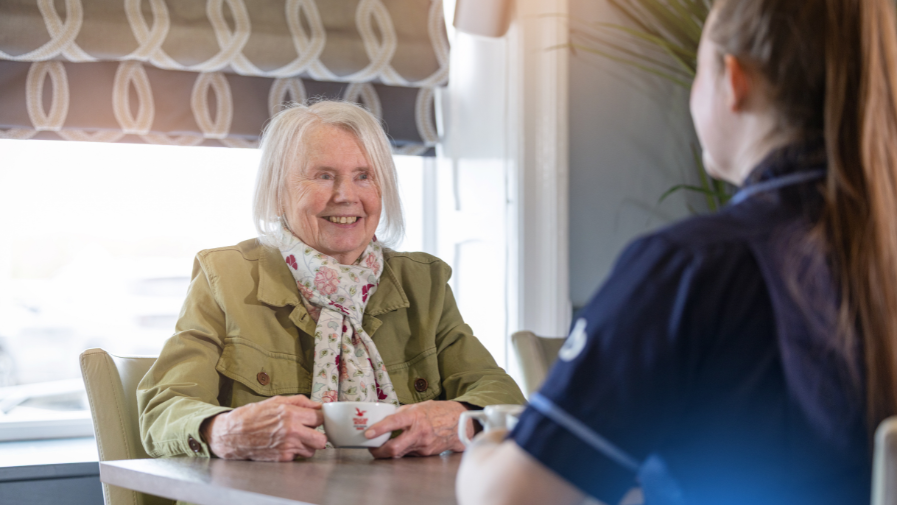
Home is full of small details that make daily life feel comfortable. A favourite chair may be positioned by the window. Tea may always be made in a particular mug. Breakfast might happen after the morning news, while the evening has its own familiar rhythm.
Moving away from home can mean adjusting to new surroundings and schedules. Live-in care allows support to fit around an established way of life instead. If someone prefers a quiet start to the morning, enjoys lunch at a certain time or likes to call a family member every evening, these routines can remain part of the day.
This familiarity can be particularly reassuring for someone living with dementia, reduced vision or anxiety. Knowing where things are and what usually happens next may reduce uncertainty and help someone feel more secure. It also gives the Care Professional time to understand which routines are important and how support can be provided in a calm, respectful way.
One-to-one live-in care that gets to know the individual
Live-in care is personal because it is centred on one person, or on a couple who share their home. Over time, the Care Professional learns much more than what is written in a care plan. They begin to recognise how someone likes their tea, which topics make them smile, when they prefer quiet company and when they may need a little encouragement.
This consistent relationship can make it easier to notice small changes. Perhaps someone is eating less than usual, seems less steady on their feet or has stopped suggesting their regular walk. Recognising a change early means it can be shared with the appropriate people, including family members or healthcare professionals where necessary.
Practical support without losing control
Everyday activities can become tiring or unsafe when health changes. Preparing a meal may involve standing for too long, while getting in and out of the shower may feel less secure.
A live-in Care Professional can be nearby to offer practical support, while keeping the individual involved. They might prepare a meal together, place frequently used items within easier reach or support someone to move around the home with greater confidence. On another day, the most helpful approach may be to allow extra time and simply remain close by.
Because live-in care at home is tailored to the individual, support can reflect what a person can do as well as where help is required. This strengths-based approach can protect confidence and help daily life remain recognisable.
Staying connected to Hammersmith and Fulham
.png?language=en "How Live-in Care Supports Independent Living at Home in Hammersmith and Fulham (897 x 505 px)")
Independence is not only about what happens inside the home. It can also mean remaining part of the local community and continuing to enjoy familiar places.
For someone in Hammersmith, that might be a gentle walk near Ravenscourt Park, visiting a familiar shop on King Street or spending time by the Thames when they feel able. In Fulham, a preferred routine might include Bishops Park, Parsons Green or a café visited over many years. Even a short trip can bring variety to the week and help someone stay connected to the neighbourhood they know.
A Care Professional can help make these routines feel more manageable. Depending on the care plan, that may involve companionship on an outing or support with attending an appointment. On a day at home, connection might come through a video call, visitor or shared activity.
The important point is that local life does not have to disappear when care needs increase. Support can be arranged around the places, relationships and activities that matter to the individual.
Helping couples continue life together
When one partner develops greater care needs, couples can face difficult decisions. Moving into residential care may mean living separately after many years together, while the partner providing support at home may become tired or overwhelmed.
Live-in care can make it possible for couples to remain together in their own home. The Care Professional can support the person who needs care while easing some of the pressure on their partner. This may allow the couple to spend time together as partners again, rather than letting every part of the relationship become centred on care.
Reassurance for family members
Families often provide a great deal of practical and emotional support before live-in care begins. Adult children may be travelling across London several times a week, checking in between work commitments or worrying whenever the phone rings. Partners may be managing interrupted nights and finding little time to rest.
Introducing care does not replace these relationships. It can give family members space to be a daughter, son, partner or friend again. Visits can focus more on conversation and time together, rather than everything that needs to be completed before leaving.
Care that can adapt over time
Care needs are rarely fixed. Someone may initially need help following a hospital stay, then regain some confidence and require less support with certain activities. Another person’s needs may increase gradually because of a long-term condition.
A live-in care plan can be reviewed as circumstances change, taking account of daily routines, mobility, medication, personal goals and family involvement. This helps ensure support remains appropriate.
It is also important to understand the difference between live-in care and waking night care. A live-in Care Professional provides support throughout the day and can be available when needed, but they require suitable breaks and sleep. If someone needs frequent support throughout the night, the care arrangement should be discussed so that the right level of overnight assistance can be put in place.
Is live-in care the right choice?
Live-in care may be suitable when someone wants to stay at home but needs consistent support or reassurance. It can help people living with reduced mobility, dementia, a long-term condition or changing care needs. It may also provide short-term support during recovery or when a family carer needs a break.
The decision should always begin with the individual. What matters most to them? Which routines do they want to protect? Where do they feel confident, and where would support make daily life easier? A conversation about these questions can help build a care plan that reflects the person rather than focusing only on a diagnosis or list of difficulties.
Bluebird Care Hammersmith & Fulham takes time to understand the customer’s needs, preferences and lifestyle before care begins. The local team can explain how personalised live-in care works, discuss Care Professional matching and consider how support could fit naturally into life at home.
Speak to Bluebird Care Hammersmith & Fulham
The right care can help someone remain at the centre of their own life. With familiar surroundings, one-to-one support and a routine shaped around personal choices, live-in care can make independent living at home feel safer and more manageable.
If you are considering live-in care for yourself or a family member in Hammersmith, Fulham or the surrounding area, contact Bluebird Care Hammersmith & Fulham on 020 874 35308 for a no-obligation free assessment or fill in the contact form below.. The local team can listen to your circumstances, answer your questions and help you explore a care arrangement built around the way you want to live.