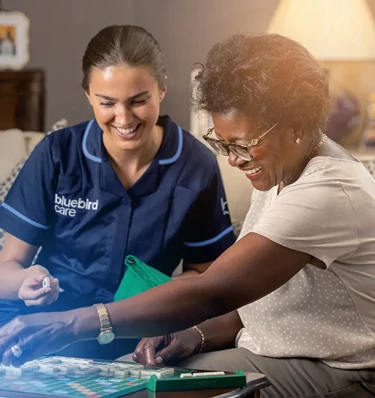
Home Care in Enfield
Home Care in Enfield: A Complete Guide to Care, Support & Staying Independent at Home
Nobody plans for home care. It usually turns up after a fall on the stairs, or a phone call from North Middlesex or Chase Farm saying Dad can go home on Thursday. Then the questions start piling up. Is a care home the only option? Do you ring the council or an agency first? What is this going to cost?
This guide covers how home care works in Enfield, what London prices look like, how to get an assessment from the council, and what to ask before you pick a provider.
What is home care in Enfield?
A carer comes to you. Some people need 30 minutes in the morning to wash and get dressed. Others need someone living in the spare room. Home care in Enfield means you stay in your own house, with your own bed, your own kettle and your own routine, and you bring in help only where you need it.
You don't have to start big, either. Plenty of families begin with one visit a day and add more once they see what is actually needed.
Who is it for?
Mostly older people, yes, but not only. Home care also supports adults recovering from surgery, people with Parkinson's or MS, adults with a physical or learning disability, people living with dementia, and children with additional needs. A fair number of enquiries come from a husband, wife or daughter who has been doing everything alone and has hit a wall.
Types of home care
No two care packages look the same. Someone who needs an hour twice a week has very different needs from someone who needs a nurse-led team around the clock. Most providers, Bluebird Care Enfield included, build a plan around one person rather than fitting them into a fixed template.
Personal care and companionship
Washing, dressing, toileting, getting in and out of bed, moving about the house. It sounds purely practical, but it lives or dies on dignity. If a different stranger turns up every morning, that is a bad sign. Companionship is the other half: a chat, a trip to the GP, a walk to the shops, someone to sit with. Loneliness does real harm, and families tend to spot it late.
Medication support
This can mean a reminder to take tablets, or a carer who gives medication, fills in the Medication Administration Record and talks to the GP or pharmacist when something changes.
Ask any provider how they train and check their carers on this.
Respite care
Family carers wear down slowly. One day you realise you haven't had a free weekend in a year. Respite care sends in a trained person for a few hours, a day or a week so the main carer can rest. Leave it too long and something usually gives.
Night care
There are two types. With sleeping night care the carer sleeps on the premises and gets up if needed. With waking night care they stay up and keep watch all night, which costs more because it is a full night of attention.
Live-in care
A carer moves in, with proper breaks built into the week. Families usually start asking about live-in care when daily visits have grown to several a day. As a rough guide, once someone needs around 36 hours of visiting care a week, the cost starts to match residential care. Live-in care for couples means a husband and wife can stay together at home, with one carer looking after both.
Complex care
Tube feeding, tracheostomy care, catheters and stomas, ventilator support, or several long-term conditions at once. This needs nurse-led oversight and carers trained for the exact task. Good intentions aren't enough.
Dementia care
Dementia care takes particular communication skills: staying calm, spotting what triggers anxiety, keeping the day predictable. Staying home helps a lot. The same layout, the same chair, the neighbour who waves every morning all cut down on confusion.
Care for adults with disabilities
The aim is a life the person chooses, whether that is work, college or the gym, on their own timetable. Many people arrange support through a personal budget or direct payment, which lets them decide who comes and when. Bluebird Care Enfield offers learning disabilities care and physical disabilities homecare.
Care for children with additional needs
Caring for a child with a disability or complex medical condition at home calls for paediatric training and enhanced safeguarding. Carers work with the family, the school's SEN team and health visitors. For parents it can mean keeping a job, or sleeping through the night for once.
Palliative and end of life care
Palliative and end of life care at home lets someone spend their last weeks or months in familiar surroundings, with carers who know what matters to them. It is a hard subject to raise. Families often find that meeting the people involved early, and having a plan in place, takes some of the weight off.
Home care after a hospital stay
If someone is in North Middlesex University Hospital or Chase Farm Hospital, the ward team will start talking about discharge early. Hospitals often use "discharge to assess", which means support is set up at home rather than the person staying in a bed they no longer need. Short-term reablement helps people get their confidence back with washing, cooking and getting around, and it lowers the chance of a fall or a readmission. The NHS or the council often provides it for a limited time, before any private arrangement takes over.
Home care or a care home?
There's no right answer for everyone, whatever a brochure says. If you're weighing it up, the alternative to a care home page sets out what staying at home can look like. Home care in Enfield keeps someone near their neighbours, their GP and the routines that matter more than people expect. A care home has staff on site day and night, which suits needs that are very high or hard to predict. Costs tend to meet at around 36 hours of care a week. That is the point to sit down and talk it through properly, instead of going with whatever the discharge team mentioned first.
How much does home care cost in Enfield?
Enfield is in Greater London, so hourly rates sit at the upper end of the UK range. Live-in and overnight care are priced differently from hourly visits, and the final figure depends on how many hours you need, what time of day, and how complex the care is. Treat any number you find online as a starting point, not a quote.
Funding is worth checking before you assume you'll pay everything yourself. Some people do pay privately. Others get council support after a financial and needs assessment. People with significant health needs may qualify for NHS Continuing Healthcare, which can cover the full cost. Attendance Allowance and Personal Independence Payment are not means-tested. A lot of families never look into any of this, and it costs them.
Getting a care assessment from Enfield Council
The council's adult social care team does needs assessments under the Care Act 2014. It is free, and you're entitled to one whatever your income or savings. Someone will visit or phone, and ask what you can and can't manage day to day, what matters to you, and what might help.
You can ask for one through GOV.UK, which sends your request to Enfield Council, or contact the adult social care team directly. Waiting times vary. If things are urgent, say so and ask about interim support. Many families talk to a local provider at the same time, so a package is ready when the assessment finishes.
Choosing a provider
Start with the CQC rating. It tells you more about how a provider actually performs than their website will. After that, ask about continuity: will your mum see the same three or four carers, or someone new each visit? How are carers trained for dementia? What happens when a visit runs late? Can the package go up or down as things change?
Local knowledge counts too. Ask whether carers live in or near the borough, and ask for a reference from a customer nearby. A good provider won't mind.
How a care plan gets written
It starts with a conversation, ideally in the person's own home, with family there if they want. The plan covers medical needs, daily routine, preferences (what time they like getting up, rather than what suits a rota) and any risks. It gets reviewed regularly, because needs change. Sometimes slowly, sometimes overnight after a fall or a diagnosis.
Areas we cover across Enfield
Bluebird Care Enfield looks after people in Bush Hill Park, Enfield, Edmonton, Palmers Green, Southgate and Winchmore Hill.
Local matters more than it sounds. The team knows the nearby GP surgeries, how to reach the right people at North Middlesex and Chase Farm, and which community groups and activities are close by. When a visit runs late or a plan changes, being down the road makes it easier to sort out.
Not sure whether your road is covered? Get in touch with the Enfield team and they'll tell you.
FAQs
What is the difference between home care and a care home?
With home care, a carer comes to your house on a schedule built around you. In a care home you move into a residential setting with staff on site round the clock. Home care suits people who want to stay put. A care home tends to suit higher or less predictable needs.
How much does home care cost in Enfield?
It depends on hours, time of day and complexity. Enfield is in Greater London, so rates are towards the higher end.
Do I have to pay for a care needs assessment?
No. Enfield Council's assessment is free, and everyone can have one, whatever their income, savings or how serious their needs look on paper.
Can I get help paying for home care?
Possibly. Depending on your finances and health, you might get council funding, NHS Continuing Healthcare, or benefits like Attendance Allowance or PIP.
Talk to Bluebird Care Enfield
Whether you're just starting to look or sorting something out fast after a discharge, it's easier to talk to people who do this locally every day than to work it out alone at 11pm. Get in touch with the Bluebird Care Enfield team to ask for a care assessment and work out what would suit your family.