

Leaving hospital can feel like a relief. After days or weeks of appointments, ward routines, waiting, treatment and uncertainty, many people simply want to get back home.
But coming home is not always the end of the story.
For an older person, or someone recovering after illness, surgery or a fall, the first few days at home can feel more difficult than expected. The familiar hallway may suddenly feel longer. The stairs may seem steeper. Getting washed, preparing food or remembering new medication may take more effort than it did before. Family members may be reassured that discharge has happened, but still unsure what daily life will look like once the front door closes.
This is where care after hospital discharge can make an important difference.
Across Elmbridge, Runnymede & Spelthorne, families often find themselves trying to make decisions quickly. A discharge date may be confirmed with little time to prepare. Equipment may need to be arranged. Family members may be balancing work, distance and other responsibilities. The person coming home may be keen to regain independence, but still need practical help and reassurance while they recover.
Good care at this stage is not about taking over. It is about making the return home feel safer, calmer and more manageable.
The gap between being discharged and feeling ready
Hospital discharge means a person no longer needs to stay in hospital. It does not always mean they feel fully recovered.
This distinction matters.
Someone may be medically well enough to leave, but still feel weak, tired, unsteady or anxious. They may have new medication to take, follow-up appointments to attend, exercises to complete, dressings to keep an eye on, or guidance they are trying to remember. They may have been moving less while in hospital, which can affect confidence and strength once they are back in their own surroundings.
At home, small tasks can become bigger tests of confidence.
Can they get safely from the bedroom to the bathroom? Can they manage the kettle? Are they eating properly? Do they feel confident getting dressed? Are they able to sleep comfortably? Do they understand when to take medication? Are they worried about falling again?
These are the kinds of questions families often ask once someone is home.
The challenge is that the person recovering may not always say they are struggling. They may not want to worry anyone. They may want to prove they can manage. They may feel frustrated that ordinary tasks now take longer.
Care after discharge can provide support without making someone feel as though they have lost their independence. In many cases, it can help protect it.
Why the first few days at home matter
The period immediately after hospital discharge can set the tone for recovery.
If someone returns home and feels unsafe, unsupported or overwhelmed, their confidence can drop quickly. They may avoid moving around. They may skip meals because cooking feels too much. They may delay washing or changing clothes because they feel unsteady. They may forget medication or become confused by changes to their routine.
By contrast, the right support can help someone settle back into home life more gradually.
A care expert can help with getting up, washing, dressing and preparing meals. They can provide medication reminders, support safer movement around the home and help keep routines steady. They can also offer companionship, which is easily overlooked but often very important after a hospital stay.
Recovery is not only physical. Coming home can bring relief, but also worry. Someone may feel nervous about being alone. They may be frightened of another fall. They may have lost confidence in their body. A calm, familiar presence can make the day feel less daunting.
For families in Weybridge, Walton-on-Thames, Esher, Cobham, Addlestone, Chertsey, Egham, Staines-upon-Thames, Sunbury and Shepperton, arranging care at home can help bridge the space between hospital support and fully independent daily life.
Making home work again
When someone comes home from hospital, the house itself can suddenly need to be looked at differently.
A favourite armchair may now be too low. A rug may create a trip hazard. The bathroom may feel difficult to manage. The route from the bed to the toilet may need better lighting. Food may need to be prepared in a way that makes eating easier. Everyday routines may need to be simplified while strength returns.
These changes do not always need to be dramatic. Sometimes, the most useful support is practical and modest.
A care expert may help someone start the morning safely, make sure they have breakfast, support personal care, prepare lunch, tidy the kitchen, check that essential items are within reach, and provide reassurance before leaving. For someone who needs more regular help, visits can be arranged around the parts of the day that feel most difficult.
The aim is not to make the home feel clinical. It is to help it feel workable again. That is often what people want most after hospital. Not a completely new routine, but enough support to return to the one they recognise.
The emotional side of discharge
Families often focus on the practical details of discharge because they have to. Transport, medication, keys, food, equipment, appointments, notes from the hospital, who is staying over, who can call in tomorrow.
But the emotional side matters too. For the person coming home, there may be mixed feelings. Relief at being out of hospital. Frustration at needing help. Fear of another setback. Embarrassment about personal care. A strong desire to return to normal before their body is ready.
For families, emotions can be just as complicated. They may feel grateful, worried, guilty, protective or unsure how much to step in. They may want to help, but not undermine the person’s confidence. They may live nearby but not be able to visit every day. Or they may live further away and feel anxious about what is happening between calls.
Care at home can ease some of that pressure. It gives families a structure. Someone is visiting. Someone is noticing changes. Someone is helping with the tasks that may feel too personal, too time-consuming or too difficult for family members to manage alone.
Just as importantly, it allows family relationships to feel less dominated by care tasks. A visit from a son, daughter, sibling or friend can become more about conversation and encouragement, rather than only checking the fridge, sorting washing or worrying about the next problem.
What kind of care might be needed after hospital?
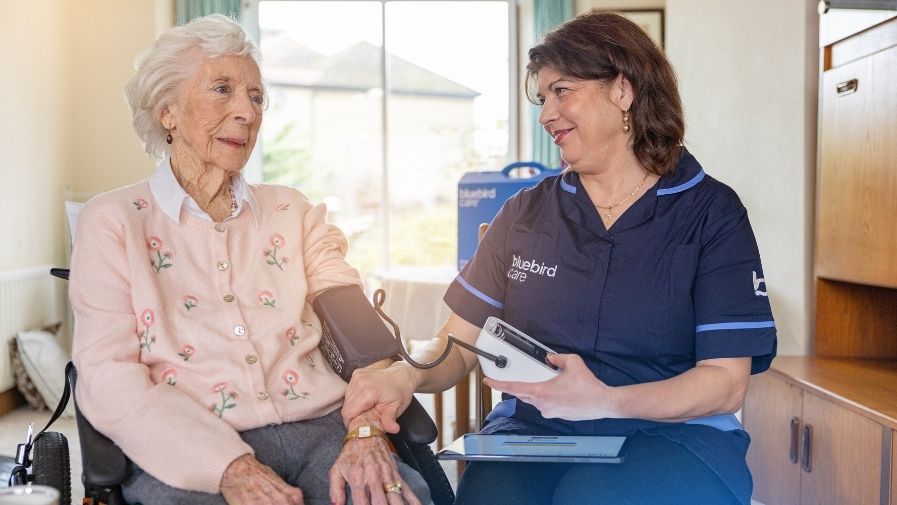
The right level of support depends on the person, their health, their home and the reason they were in hospital.
Some people may only need short-term help for a few weeks while they regain strength. Others may need ongoing care if their hospital stay has revealed wider concerns about mobility, memory, frailty or managing alone.
Support after discharge may include help with:
Washing, dressing and personal care
Getting in and out of bed safely
Preparing meals and drinks
Medication reminders
Moving around the home with more confidence
Light household tasks
Attending follow-up appointments
Rebuilding daily routines
Companionship and reassurance
Noticing changes in mood, appetite or mobility
This kind of care should feel personal, not standardised. A person recovering after surgery may need something different from someone returning home after a fall. A person living alone may need more reassurance than someone with family in the same house. Someone with memory difficulties may need familiar routines repeated gently and consistently.
The care plan should reflect real life, not just a discharge summary.
Helping independence return slowly
After a hospital stay, there can be a temptation to rush recovery. The person may want to get back to normal immediately. Families may hope that once home, things will quickly settle. But recovery often happens in stages.
There may be good days and difficult days. Confidence may return before strength does, or strength may return while anxiety remains. Tasks that seem simple from the outside may take more concentration and energy than expected.
Care at home can help pace that recovery.
Rather than doing everything for someone, a care expert can support them to do what they can safely manage. That might mean standing nearby while they wash, encouraging them to prepare part of a meal, helping them walk a little further each day, or giving them time to dress without feeling rushed.
This matters because independence is not protected by leaving someone to struggle. It is protected by giving the right support at the right time, so they can rebuild confidence without unnecessary risk.
When families are unsure what to arrange
One of the hardest parts of discharge is knowing how much help is enough.
Too little support can leave someone vulnerable. Too much can make them feel as though their independence is being taken away. Families may not know whether to arrange one visit a day, several visits, temporary care, ongoing care or simply wait and see.
A useful starting point is to think about the parts of the day most likely to cause difficulty.
Mornings are often important because getting up, washing, dressing and eating breakfast can take a lot of energy. Evenings can also be a concern if someone feels tired, unsettled or less steady. Mealtimes, medication times and bathing are common points where support can help.
It can also help to ask what would make the person feel safer. They may not want “care” in a broad sense, but they may welcome help with a shower, a proper lunch, changing bedding, or someone checking in after a hospital stay.
Framing support around recovery and confidence can make the conversation feel easier.
Care that fits around local life
Elmbridge, Runnymede & Spelthorne include busy towns, quieter residential areas, riverside communities and family homes where people may have lived for many years. For someone returning from hospital, staying connected to that familiar setting can be a powerful part of recovery.
It may be the view from the kitchen window in Walton-on-Thames. The garden in Weybridge. A familiar road in Chertsey. The sound of family arriving in Sunbury. The local routine in Egham, Esher, Ashford, Molesey or Shepperton.
These details are not separate from care. They are part of what helps a person feel like themselves again. Home care works best when it respects that. It should not arrive as a disruption, but as support for the life already there.
A more settled return home
Coming home from hospital can be a hopeful moment, but it can also be a vulnerable one.
The right care can help make that transition feel less uncertain. It can support practical recovery, reduce pressure on families and give the person returning home a better chance of feeling safe in familiar surroundings.
For some people, that support may only be needed for a short time. For others, it may become part of a longer-term plan. Either way, arranging care early can help families avoid the feeling of constantly reacting to problems after they happen.
If someone in your family is due to come home from hospital, or has recently been discharged and is finding daily life harder than expected, it may help to talk through the options before things feel urgent.
Bluebird Care Elmbridge, Runnymede & Spelthorne can help families think about what support may be useful at home, whether that means short-term help after discharge or more regular care as needs change.
You can contact the local team to start a conversation about care after hospital discharge. There is no need to have everything worked out before asking. Sometimes, the most helpful first step is simply explaining what has changed and getting a clearer sense of what support could look like.