

The first sign that winter is becoming difficult is not always a fall or an illness. It might be the shopping trip that keeps being postponed, the curtains closed before lunch or a parent saying they will wait until spring to see a friend.
Shorter days can gradually narrow someone's routine. Getting ready to go out takes more effort, familiar pavements feel less inviting and an evening alone can seem much longer.
Getting winter ready is about protecting the things that make everyday life enjoyable. For older people across Lambeth, a few thoughtful changes can help keep favourite routines going, with support where it makes a difference and choice firmly in their hands.
Start with what you want winter to include
Before making a list of things to fix, ask what someone wants to carry on doing. Perhaps it is choosing their own shopping in Brixton, meeting a friend in Streatham or making Sunday lunch for the family.
That conversation gives practical help a purpose. Carrying heavy bags might make the shopping trip manageable. Arranging a lift home before dark could make lunch with a friend feel possible again.
Try asking, “Is anything making it harder to do what you enjoy?” It leaves room for an honest answer without assuming someone needs everything done for them. Agree one change together, then see whether it helps. There is no need to reorganise a whole week at once.
Make home comfortable from morning to bedtime
A warm sitting room matters, but think about the rest of the day too. Is the bathroom comfortable when someone gets washed? Can they adjust the heating easily? Is there a cold hallway between the bedroom and bathroom?
The NHS recommends heating your home to a comfortable temperature, ideally at least 18°C in regularly used rooms if you can. This is particularly important for people with health conditions. Its winter health advice also explains where to seek help with heating costs.
Check that heating controls are understood, rather than simply setting a timer and leaving. Someone should feel able to make adjustments themselves.
Small preparations can make mornings easier: clothes within reach, well-fitting slippers beside the bed and a clear route to the bathroom. Ask before moving familiar belongings. A change intended to help can be frustrating when something is no longer where it belongs.
Keep familiar journeys within reach
Winter outings do not have to be ambitious to be worthwhile. A short walk near Clapham Common, a newspaper from the usual shop or coffee with a neighbour can give the day shape.
Choose the brightest part of the day and check conditions before leaving. Wet leaves, uneven paving and icy patches can make a familiar route more difficult. Shoes with a good grip, enough time and a manageable distance all deserve consideration.
If someone feels unsure, explore the particular worry. Is it crossing a busy road, carrying shopping or getting home after dark? The answer may be company for part of the journey, a different route or a planned lift.
On days when conditions are poor, bring some of that routine indoors. A friend visiting for coffee still offers conversation and something to look forward to. Missing one outing need not mean abandoning it for the season.
Make eating well less of an effort
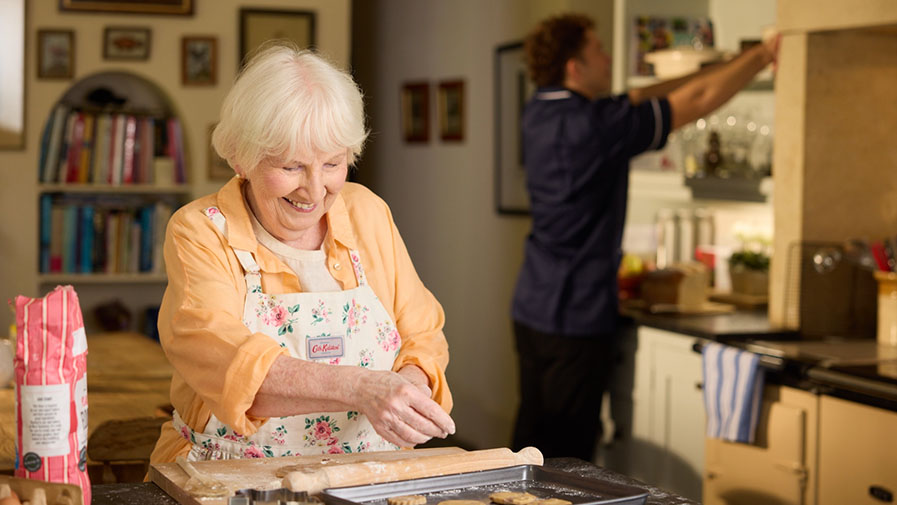
Cooking can lose its appeal when shopping is tiring or there is nobody to share a meal with. A full fridge does not always mean someone is eating meals they enjoy.
Talk about what sounds appealing and what feels manageable. A favourite soup in individual freezer portions, ingredients stored within easy reach or help with chopping vegetables may be more useful than a complicated meal plan.
Keep a few preferred meals and everyday essentials available for days when going out is difficult. Offer drinks regularly too, without assuming someone will ask.
Sharing the preparation can preserve the pleasure of cooking. One person might lift the saucepan while the other seasons the soup. With
home care in Lambeth, practical support can fit around familiar mealtimes and the parts of cooking someone still wants to do themselves.
Notice when evenings start to feel too long
Someone can manage well during daylight hours and still find winter evenings unsettling. Once the curtains are drawn, there may be several hours before bed with little company or activity.
Ask about that part of the day specifically. A regular call after the evening news, a shared supper or help settling in for the night may make more difference than another morning visit.
Good lighting deserves attention too. Check that lamps can be switched on without crossing a dark room and that the route to the bathroom is clear.
Keep plans dependable. “I'll ring at half past six” is easier to look forward to than “I'll call later.” If relatives share contact, agree who is calling when so there are fewer gaps and fewer interruptions.
It is also worth leaving space for ordinary enjoyment. Keeping a radio programme on, tending plants by the window or inviting a neighbour to share lunch can help a quiet day feel more satisfying. These are personal choices, so follow their lead. Someone who enjoys a peaceful afternoon should not feel obliged to fill every hour simply because family members worry about them being on their own.
Put a simple backup plan in place
Winter can disrupt even a well-organised week. A relative becomes unwell, a delivery is delayed or bad weather makes travelling difficult.
Agree who could help if the usual arrangement changes. Keep useful numbers somewhere easy to find and check that a mobile phone is charged and accessible. Discuss access arrangements with your family member rather than making decisions around them.
Check prescription supplies ahead of holiday closures and ask the pharmacy about ordering times. A pharmacist or GP can also advise on seasonal vaccinations and any health concerns.
If you provide regular care, include your own needs in the plan. Arranging respite care in Clapham and Streatham can give you time to rest or manage other commitments while agreed routines continue at home.
Choose support that keeps you involved
Needing help with a winter routine does not mean losing the right to decide how it happens. Support should leave room for the breakfast someone prefers, their usual getting-up time and the things they enjoy doing independently.
For some families, help with shopping or an evening visit may address the main difficulty. Others may want to explore live-in care in Lambeth when support is needed more regularly throughout the day. The right arrangement starts with a conversation about everyday life.
Review what is working together. Is getting out easier? Are meals more enjoyable? Does the evening feel more settled? Those answers matter as much as whether the practical jobs are finished.
Bluebird Care Clapham & Streatham supports people across Lambeth, including Clapham, Streatham, Brixton, West Dulwich and surrounding areas. To talk about winter support for yourself or a family member, call 0208 677 6665 or send an online enquiry below. We can discuss the routines you want to protect and how care could help you keep enjoying them.