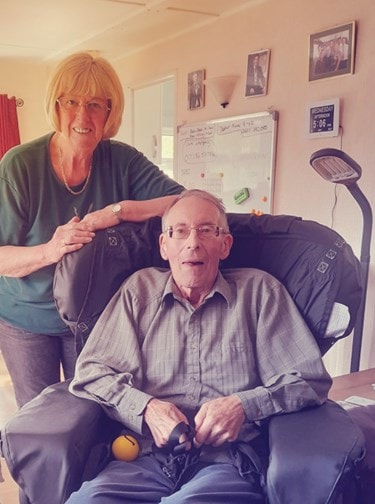
Joint Replacement Care in Camden & Hampstead
Post-surgery care. In your own living room.
Coming home after a hip or knee replacement can feel like the real beginning of recovery. You may be pleased to be back in familiar surroundings, but ordinary activities such as getting dressed, preparing a meal or moving around the house can take more effort than expected.
Bluebird Care provides joint replacement care across Camden, Hampstead and surrounding neighbourhoods, including Holborn, Kentish Town and Camden Town. Our care experts provide short-term support that can make the early stages of recovery easier while helping customers gradually regain confidence and independence.
Care is shaped around the individual’s discharge guidance, usual routine and what they are ready to manage for themselves.
What is joint replacement care?
Joint replacement care provides practical support at home following an operation such as a hip or knee replacement.
The first few weeks after surgery can involve reduced mobility, discomfort and temporary restrictions on everyday activities. Someone who normally manages completely independently may therefore need additional help for a while.
Support can make it easier to focus on recovery without worrying about every household responsibility at once.
The aim is usually temporary: to provide the right amount of help while the customer gets back on their feet.
Preparing for the first days back home
A little preparation can make returning home feel much easier.
Before or shortly after discharge, it can be useful to think about which parts of the normal routine may temporarily be difficult.
That might include:
- Getting washed and dressed
- Preparing meals
- Shopping
- Moving safely between rooms
- Managing stairs
- Keeping up with laundry and cleaning
- Attending physiotherapy or follow-up appointments
A care plan can focus on these immediate practical needs while taking account of any instructions provided by the hospital or rehabilitation team.
What can joint replacement care include?
Support is tailored around the customer’s recovery and agreed care plan.
This may include:
- Personal care: Respectful help with washing, dressing and other routines while movement is more restricted.
- Meals: Shopping for groceries and preparing food when standing or moving around the kitchen is difficult.
- Household tasks: Help with laundry, cleaning and other jobs that may involve unnecessary bending, lifting or carrying.
- Medication support: Assistance maintaining agreed medication and prescription routines.
- Mobility: Practical support moving around the home and using prescribed walking aids where appropriate.
- Rehabilitation routines: Encouragement with exercises or activity that have been specifically recommended by the customer’s healthcare professionals.
- Appointments: Company and practical support attending physiotherapy or follow-up visits.
- Companionship: Conversation and reassurance during a period when reduced mobility may mean spending more time at home.
Care experts follow the professional guidance already provided rather than changing rehabilitation programmes themselves.
Reducing unnecessary strain during recovery
Recovery does not mean doing as little as possible, but it also does not mean struggling through every household task alone.
Some jobs can place unnecessary strain on someone who has recently had joint replacement surgery.
Carrying shopping, changing bedding or standing for a long time to cook may use energy that could be better spent on rehabilitation and everyday movement.
A care expert can temporarily take responsibility for those more demanding tasks.
This allows the customer to concentrate on the activities that form part of their recovery without feeling that the rest of the household is falling behind.
Turning professional advice into everyday routines
Instructions given after surgery often need to be followed once the customer is back in their own home.
That may include using a walking aid, completing prescribed exercises or approaching particular movements differently for a period of time.
Home care can help those recommendations become part of the customer’s normal day.
For example, a care expert might make sure there is clear space for the customer to move around comfortably or provide encouragement when it is time to complete an exercise recommended by their physiotherapist.
Clinical decisions and changes to rehabilitation remain with the relevant healthcare professionals.
Building confidence one task at a time
Regaining physical ability and feeling confident using it are not always the same thing.
Someone may technically be able to walk across the room but still feel nervous doing so without another person nearby.
Confidence can return gradually through ordinary experiences.
The first independent shower, making a simple lunch or walking comfortably around the home can all feel like meaningful steps forward.
A care expert can provide support while allowing the customer to do more for themselves whenever they feel ready.
Keeping recovery connected to normal life
It is easy for the weeks after surgery to become dominated by exercises, appointments and what someone cannot yet do.
Care can also help protect some normality.
A customer might want company over lunch, help getting ready before a friend visits or practical support that allows them to enjoy a quieter hobby while mobility is restricted.
These ordinary parts of the day can make recovery feel less clinical and help the customer remain connected to the life they are working towards returning to.
Gradually reducing support
Joint replacement care will often change relatively quickly compared with care for a long-term condition.
Someone may initially need help with several parts of the day but begin managing much more independently as strength and mobility return.
Our Camden & Hampstead team can review the arrangement as recovery progresses.
If a task no longer requires assistance, support can step back rather than continuing unnecessarily.
The aim is to help the customer move towards their normal routine, not create dependence on care that is no longer needed.
Supporting family without relying on them for everything
Relatives often want to help after surgery, but they may not be available for every meal, appointment or household task.
Professional support can fill those practical gaps.
This can give families reassurance that their loved one has help in place while allowing their own visits to feel less focused on cleaning, shopping or completing a list of jobs.
For customers who live alone, having dependable support during the early recovery period can be particularly reassuring.
Getting started with joint replacement care in Camden & Hampstead
If you or a loved one is preparing for or recovering from hip or knee replacement surgery, our Camden & Hampstead team can help you explore what temporary support at home may be useful.
We will take the time to understand the customer’s discharge guidance, current mobility and everyday routine before agreeing where a care expert can provide practical help.
Bluebird Care provides joint replacement care throughout Camden and Hampstead, including Holborn, Kentish Town and Camden Town.
Call Bluebird Care Camden & Hampstead on 0207 449 0557 for a friendly, no-obligation conversation about joint replacement care at home.
See care services in Camden & Hampstead
East Midlands
East of England
Greater London
North East
North West
Northern Ireland
Scotland
South East
South West
Wales
West Midlands
Yorkshire and the Humber
East Midlands
East of England
Greater London
North East
North West
Northern Ireland
Scotland
South East
South West
Wales
West Midlands
Yorkshire and the Humber
FAQ
Everything you need to know about Joint Replacement Care in Camden & Hampstead
Joint Replacement Care in Camden & Hampstead stories
We have helped thousands of people feel like themselves
Hear how Bluebird Care has empowered customers across the UK to live life on their terms.