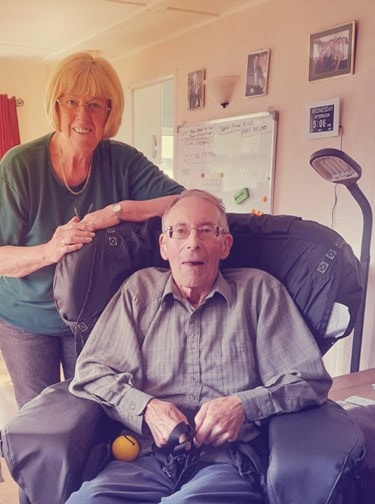
Companionship Care in Camden & Hampstead
Companionship care, it’s good to make new friends
Sometimes it is the ordinary parts of the week that become harder when someone is spending more time alone. Going for a coffee, doing the shopping or simply having someone to talk to can make a meaningful difference.
Bluebird Care provides companionship care across Camden, Hampstead and surrounding neighbourhoods, including King’s Cross, Somers Town and Swiss Cottage. Our care experts spend time getting to know each customer, from the interests they enjoy to the places and routines that make their week feel familiar.
Support can be as simple as regular conversation at home or include outings, hobbies, errands and other activities that help the customer stay connected to everyday life.
What is companionship care?
Companionship care provides regular social and emotional support alongside light practical help.
It can suit someone who is largely independent but would benefit from seeing a familiar person more often, particularly if opportunities for conversation or getting out have become limited.
A visit might involve:
- Sharing a cup of tea
- Going for a walk
- Cooking and eating together
- Visiting the shops
- Enjoying music, television or a favourite hobby
- Attending an appointment
- Seeing friends or relatives
- Planning an outing
What matters is that the time feels worthwhile to the customer rather than following a standard activity list.
When might companionship care help?
There are many reasons why someone may gradually find themselves spending more time alone.
Retirement can change a long-established routine. Bereavement may leave a significant gap in everyday life, while illness or reduced mobility can make going out feel less straightforward than before.
Companionship may be useful when:
- Someone lives alone
- Family members cannot visit as regularly as they would like
- Confidence about going out has reduced
- Hobbies or interests have gradually fallen away
- The week lacks structure or regular social contact
- Everyday errands feel easier with company
- A customer would simply enjoy having someone familiar to talk to
Support does not have to begin because someone has significant personal care needs. Wanting more company is reason enough to explore it.
Bringing more variety to the week
When days begin to feel repetitive, having something to look forward to can help restore a sense of rhythm.
A regular companionship visit might become the afternoon someone goes out for lunch, the morning they do their weekly shop or simply a comfortable hour spent talking about shared interests.
Our Camden & Hampstead team can learn what the customer genuinely enjoys and build visits around those preferences.
For one person, that could mean conversation and music at home. Another might prefer to be out exploring the local area whenever possible.
The customer decides how that time is spent.
What can companionship care include?
Support can combine social activities with everyday practical help.
This may include:
- Conversation and company: Relaxed time to talk, listen, reminisce or simply enjoy having another person around.
- Hobbies: Sharing interests such as reading, music, games, gardening, films or crafts.
- Meals: Preparing something together and providing company at mealtimes.
- Shopping and errands: Help buying groceries, collecting essentials or completing small everyday tasks.
- Appointments: A familiar person alongside the customer when attending healthcare or other appointments.
- Outings: Company for walks, cafés, visits to relatives or other places the customer enjoys.
- Household help: Light practical assistance with tasks such as laundry or tidying where agreed.
- Planning the week: Support keeping track of appointments, social plans and activities the customer wants to continue.
Companionship is shaped around the person, so no two arrangements need to look the same.
Staying part of local life
Living in Camden and Hampstead offers plenty of opportunities to remain connected, but getting out alone can become more difficult when confidence, health or mobility changes.
Having someone alongside can make familiar activities feel achievable again.
A care expert might accompany the customer to a local café, walk with them to the shops or help them visit a friend they have not seen for a while.
For someone who prefers staying closer to home, companionship can still create stronger links with everyday life through conversation, shared interests and regular contact.
The aim is not to fill every hour. It is to help the customer keep doing more of what makes their week enjoyable.
Rediscovering hobbies and interests
Sometimes interests disappear from someone’s routine gradually.
They may stop going to a group because travelling there alone feels daunting, or give up an activity because it is less enjoyable without company.
A care expert can help bring some of those interests back into the week.
That could mean playing a favourite game, looking through photographs, cooking together or accompanying the customer somewhere connected to an existing hobby.
They can also provide encouragement if the customer wants to try something new.
Companionship works particularly well when it reflects the person’s personality rather than simply keeping them occupied.
Building a comfortable relationship
Who provides the support matters just as much as what they do.
Our Camden & Hampstead team aims to provide consistency so customers can become familiar with the people visiting them.
Over time, a care expert can learn whether the customer loves lively conversation, prefers quieter company or has particular interests they enjoy sharing.
That familiarity can make visits feel more natural and help trust develop gradually.
It also means the customer does not have to repeatedly explain the small preferences that make their day feel like their own.
Companionship as needs change
Someone’s circumstances may not stay the same.
A customer who initially wants company for outings might later need more practical help at home. Equally, someone who has lost confidence after illness or bereavement may gradually become more comfortable doing things independently again.
Companionship can be reviewed as those needs change.
Because Bluebird Care Camden & Hampstead also provides wider home, live-in and complex care services, additional support can be discussed if the customer begins needing help beyond companionship.
Getting started with companionship care in Camden & Hampstead
If you or a loved one would benefit from more regular company, our Camden & Hampstead team can help you explore what support could look like.
We will take the time to understand the customer’s personality, interests and usual week, including where they would enjoy more company or encouragement.
Bluebird Care provides companionship care throughout Camden and Hampstead, including King’s Cross, Somers Town and Swiss Cottage.
Call Bluebird Care Camden & Hampstead on 0207 449 0557 for a friendly, no-obligation conversation about companionship care.
Make an enquiry
See care services in Camden & Hampstead
East Midlands
East of England
Greater London
North East
North West
Northern Ireland
Scotland
South East
South West
Wales
West Midlands
Yorkshire and the Humber
East Midlands
East of England
Greater London
North East
North West
Northern Ireland
Scotland
South East
South West
Wales
West Midlands
Yorkshire and the Humber
FAQ
Everything you need to know about Companionship Care in Camden & Hampstead
Companionship Care in Camden & Hampstead stories
We have helped thousands of people feel like themselves
Hear how Bluebird Care has empowered customers across the UK to live life on their terms.