
Parkinson’s Disease Care
Parkinson’s care at home in Bromsgrove and Redditch
Movement may become slower. Tasks such as getting dressed, preparing meals or moving around the home may take more time. You may also experience stiffness, shaking, tiredness or changes to your balance. Some days may feel easier than others.
Living with Parkinson’s can bring changes to everyday life.
At Bluebird Care Bromsgrove & Redditch, we provide Parkinson’s care at home that fits around you.
Our care professionals can help with personal care, meals, movement and daily routines while supporting you to keep making your own choices.
Whether you need a little help each week or regular care throughout the day and night, we’ll take the time to understand how Parkinson’s affects you and what you want to keep doing.
Local Parkinson’s support that fits around your routine
Everyone experiences Parkinson’s differently.
Your symptoms, abilities and energy levels may change during the day. You may find that certain tasks are easier when your medication is working well and harder at other times.
Our local team supports adults across Bromsgrove, Redditch and nearby communities.
Before care begins, we’ll talk with you about:
How Parkinson’s affects your daily life
Your usual routine
The times of day when you need more help
What you can and want to do for yourself
Your interests and preferences
Any equipment you use
Guidance from your Parkinson’s nurse or healthcare team
We’ll then agree a care plan with you. It can be reviewed whenever your needs or circumstances change.

How can Parkinson’s care at home help?
A care professional can support you with:
Getting washed, dressed and ready for the day
Using the toilet and managing continence routines
Getting in and out of bed
Moving safely around your home
Using walking aids or other equipment
Preparing meals and drinks
Shopping and collecting prescriptions
Agreed support with prescribed medication
Attending appointments
Light household tasks and laundry
Getting out into the local community
Following exercises recommended by your healthcare team
Companionship and reassurance
Evening routines and getting ready for bed
Support during the night
The help you receive will reflect your abilities, preferences and agreed care plan.
We’ll be there when you need us without taking over the things you want to continue doing.
Support at different times of the day
Parkinson’s symptoms can change throughout the day.
You may need more time to get moving in the morning. Later, you may find walking, preparing food or completing household tasks more difficult.
Your care visits can be planned around the times when support would help most.
A care professional might help you get ready for the day, prepare lunch or settle comfortably in the evening. They’ll work at your pace and give you time to complete tasks without feeling rushed.
If your usual pattern changes, we can review the timing and level of care with you.
Help with movement and balance
Changes to movement and balance can make it harder to get around safely.
A care professional can support you when standing, walking or moving between a bed and chair. They can also help you use equipment that has been assessed and recommended for you.
Where your physiotherapist or another healthcare professional has provided exercises, we can help you follow their instructions as part of your daily routine.
Support may also include accompanying you on a gentle walk, helping you attend an appointment or making it easier to spend time in your garden.
The aim is to help you keep moving in a way that feels safe and comfortable.
Prescribed medication and familiar routines
The timing of Parkinson’s medication can be an important part of someone’s daily routine.
Depending on your assessed needs and care plan, a care professional may be able to remind you when it is time to take prescribed medication or provide other agreed help.
They will follow the instructions in your care plan and keep clear records of the support provided.
Your Parkinson’s nurse, GP or specialist will remain responsible for prescribing medication and making any changes to your treatment.
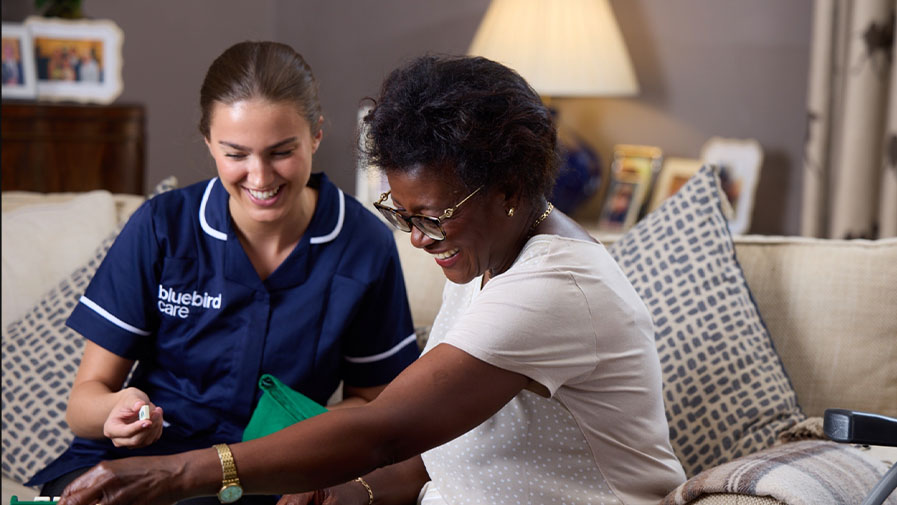
Personal care that respects your choices
Stiffness, slower movement and tiredness can make washing, dressing and using the toilet more difficult.
Our care professionals can help in the way you prefer. They’ll explain what they are doing, listen to you and give you plenty of time.
Support may include:
Washing or bathing
Dressing
Hair and oral care
Using the toilet
Continence care
Changing position
Getting in and out of bed
You’ll remain involved in every decision about your care.
Support with eating and drinking
Parkinson’s can sometimes affect the movement needed to prepare food, eat, drink or swallow.
A care professional can help with shopping, preparing meals and making drinks. They can also give you time to eat without feeling hurried.
Your meals will reflect your preferences and any advice provided by your healthcare team.
If you have difficulty swallowing, we’ll follow guidance from the relevant healthcare professional and include this in your care plan.
Companionship and staying connected
Living with Parkinson’s can sometimes make it harder to get out or take part in the activities you enjoy.
A care professional can help you stay connected to the people and places that matter to you.
This might mean accompanying you to a local group, visiting friends, going out for a cup of tea or spending time together at home.
They can also share conversation, listen to music with you or support you with a favourite hobby.
Care is not only about practical tasks. It is also about helping you keep enjoying everyday life.
Care that can change with you
Parkinson’s can affect your needs over time.
You may manage well with a few visits each week at first. Later, you may welcome more help with movement, personal care, meals or support during the night.
We can provide:
Regular home care visits
Support at set times of the day
Short-term care after an illness or hospital stay
Respite care
Overnight care
Live-in care
We’ll review your care with you and adjust it when your health, routine or circumstances change.

Support alongside other health needs
You may live with other health or mobility needs alongside Parkinson’s.
These could include arthritis, diabetes, reduced sight, memory difficulties or continence needs. You may also be recovering from an illness, infection or stay in hospital.
We’ll look at everything that affects your daily life when agreeing your care.
Your care plan can bring together support with personal care, movement, meals, prescribed medication, household tasks and getting out into the community.
Support after a hospital stay
Returning home after a stay in hospital can feel reassuring, but you may need more help than usual.
You might feel weaker, less steady or unsure about managing your normal routine. There may also be changes to your prescribed medication or mobility equipment.
A care professional can help you settle back into life at home.
Support may include getting washed and dressed, preparing meals, moving safely, following guidance from your healthcare team and attending follow-up appointments.
Care can be arranged for a short time or continue for longer when needed.
Support for partners and family members
Family members often provide a great deal of help to someone living with Parkinson’s.
You may support with meals, appointments, personal care or tasks around the home. Over time, this can become tiring, particularly when you are also balancing work, children or your own health.
Home care can give family members time to rest or focus on other parts of life.
It can also give you more time to enjoy being together without every visit or conversation being about care.
We’ll listen to the people involved and keep them informed in the way you have agreed.
Working alongside your healthcare team
You may receive advice and treatment from a Parkinson’s nurse, GP, physiotherapist, occupational therapist, speech and language therapist or another healthcare professional.
With your permission, we can work alongside them and follow the guidance they provide.
This may include support with:
Prescribed medication routines
Movement and mobility
Recommended exercises
Eating and drinking
Communication
Continence care
Equipment around the home
Our care professionals will not diagnose symptoms or change your treatment. They’ll follow your agreed care plan and contact the right person when something needs attention.

Why choose Bluebird Care Bromsgrove & Redditch?
Choosing care at home is a personal decision.
You need to feel comfortable with the people visiting you and confident that they will listen, take their time and respect how you want to live.
Our local team takes time to understand:
How Parkinson’s affects your daily life
The times when you need more support
What you want to keep doing for yourself
Your routines and preferences
Your interests and relationships
Any equipment you use
The people involved in your care
What helps you feel comfortable at home
We’ll carefully match you with care professionals who can get to know you and support you in the way you prefer.
Where possible, you’ll see a small and familiar team.
Getting started with Parkinson’s care at home
You do not need to wait until everyday life feels unmanageable before asking for help.
Our Bromsgrove & Redditch team will listen to what is happening and explain the support available.
We’ll arrange a meeting to learn more about your health, home and routine. We’ll also discuss the tasks you would like help with and any guidance from your healthcare team.
From there, we’ll agree a care plan with you.
You can begin with a small amount of support and change it as your needs change.
Talk to our local Parkinson’s care team
The right support can help everyday life feel more manageable.
Whether you need a little help each week or regular care throughout the day and night, our Bromsgrove & Redditch team is here to listen.
We’ll help you find care that fits around your routines, choices and the life you want to keep living.
Because, as everyone knows, it’s good to be home.
Make an enquiry
See care services in Bromsgrove & Redditch
East Midlands
East of England
Greater London
North East
North West
Northern Ireland
Scotland
South East
South West
Wales
West Midlands
Yorkshire and the Humber
East Midlands
East of England
Greater London
North East
North West
Northern Ireland
Scotland
South East
South West
Wales
West Midlands
Yorkshire and the Humber
FAQ
Everything you need to know about Parkinson’s Disease Care
Parkinson’s Disease Care stories
We have helped thousands of people feel like themselves
Hear how Bluebird Care has empowered customers across the UK to live life on their terms.