For many families, one of the first questions is whether their loved one should receive care at home or move into a care home.
Both options offer valuable support, but they provide different ways of living. The right choice depends on your loved one's needs, wishes and what matters most to them.
Understanding the differences can help you feel more confident about making the right choice together.
What Is Home Care?
Home care means getting the support you need in the comfort of your own home.
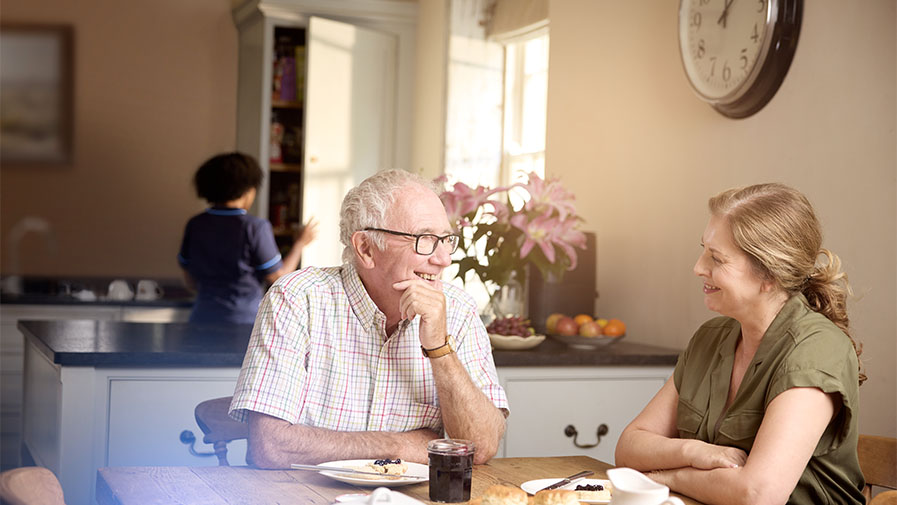
A care professional visits at agreed times to help with everyday activities that may have become more difficult.
This could include getting washed and dressed, preparing meals, taking medication or simply enjoying a friendly chat over a cup of tea.
Some people need a little help each week, while others benefit from more regular visits throughout the day.
Home care can also offer short-term support after an illness or hospital stay.
For many people, staying at home means keeping the routines they love. From enjoying breakfast in their favourite chair to spending time in the garden or welcoming family and friends, home care helps people continue living life their way.
Find out more about how home care supports independent living.
What Does a Care Home Provide?
A care home offers accommodation alongside everyday care and support.
Instead of receiving care in their own home, your loved one moves into a setting where staff are available throughout the day and night.
Residential care homes help with personal care and everyday activities. Nursing homes also have qualified nurses available for people who need nursing support.
Many care homes offer shared dining areas, organised activities and opportunities to spend time with other residents.
This can suit someone who enjoys being around others or would prefer to have support available in the same building.
When visiting a care home, it's worth asking how your loved one's personal routines, interests and preferences would be respected.
After all, feeling comfortable and having choices about everyday life matters wherever someone lives.
Home Care vs a Care Home: What Should You Consider?
Every person is different. What works well for one family may not be right for another.
Here are some things to think about when comparing home care and a care home.
Familiar Surroundings and Daily Routines
There's something special about being home.
It's where the family photographs hang, where favourite meals are cooked and where so many happy memories have been made.
For someone who loves their home, staying in familiar surroundings can bring comfort and reassurance.
Home care allows your loved one to keep many of their usual routines while receiving the help they need.
They can continue enjoying their favourite spaces, seeing familiar faces and spending time in their local community.
Moving into a care home means getting used to a new environment and different daily routines.
Some people enjoy this change, while others may need more time to settle in.
When looking at care homes, ask how much choice residents have over meals, activities, visitors and when they get up or go to bed.
The Support Needed Throughout the Day and Night
Think about what a typical day looks like for your loved one.
Do they need help getting dressed in the morning? Could they benefit from support with meals or medication? Do they feel worried when they're alone, or need help during the night?
Understanding when support is needed can help you decide which type of care might work best.
With home care, visits can be arranged around agreed needs and routines.
For someone who needs more regular help, longer visits, night care or live-in care may be worth exploring.
A care home has staff available throughout the day and night, although the level of support will depend on the type of home and your loved one's needs.
Whatever you choose, ask how care will be provided, what happens between visits and how support can change if your loved one's needs change.
Companionship and Social Contact
Having someone to talk to and spend time with can make a lovely difference to the day.
Some people enjoy quiet conversations, familiar visitors and time with family. Others prefer group activities and meeting new people.
Home care can include companionship, whether that's sharing a cup of tea, enjoying a favourite hobby or getting out into the local community.
Care homes often provide shared activities and opportunities to spend time with other residents.
Think about the kind of company your loved one enjoys most.
The important thing is finding a care arrangement that helps them feel connected, comfortable and involved in the things they love.
Family Involvement
Family often plays an important part in someone's care.
You may already help with shopping, appointments, meals or everyday activities.
But balancing these responsibilities with work, family life and other commitments isn't always easy.
Having the right care in place can give everyone more reassurance.
When exploring care options, ask how the provider keeps families informed, involves them in decisions and responds when needs change.
Your loved one's wishes should always guide how information is shared and how family members are involved.
Is Home Care Cheaper Than a Care Home?
The cost of care is often one of the first things families want to understand.
There's no single answer to whether home care or a care home costs less.
It depends on how much support your loved one needs, the type of care provided and what is included in the price.
With home care, costs usually depend on the length and number of visits, as well as any extra support needed during evenings, weekends or overnight.
Your loved one will also continue paying their usual household expenses.
Care home fees generally include accommodation and care, but some services or activities may cost extra.
When comparing prices, ask each provider for a clear breakdown of what is included.
It's also worth checking how costs may change if your loved one needs more support in the future.
The best option isn't simply the one with the lowest price. It's the one that can provide the right care for your loved one's needs, wishes and circumstances.
Could Live-in Care Be an Alternative?
If your loved one wants to stay at home but needs more support than regular visits can provide, live-in care could be another option.
With live-in care, a care professional lives in your loved one's home and provides support around an agreed care plan.
This means your loved one can continue enjoying familiar surroundings, their own belongings and many of the routines that make each day feel comfortable.
Support might include personal care, preparing meals, companionship and help with everyday activities.
Live-in care needs suitable accommodation for the care professional, along with agreed arrangements for breaks, time off and overnight support.
It's important to remember that one live-in care professional cannot provide care without breaks.
Talk to the provider about how the arrangement would work, including any extra support that may be needed.
When Might a Care Home Be More Suitable?
Although many people would prefer to stay in their own homes, there are times when a care home may be a better choice.
For example, your loved one may need a level of support that cannot be safely provided at home, or they may prefer living somewhere with other people around.
If they need regular nursing care, a professional assessment can help you understand which care options may be suitable.
The most important thing is to listen to your loved one and involve them in the decision wherever possible.
Ask what matters to them, what they're worried about and what would help them feel comfortable.
If you're considering a care home, visiting together can be a helpful way to see what everyday life might look like.
How to Start the Conversation
Talking about care isn't always easy.
Your loved one may worry about losing their independence or feel unsure about accepting help.
Starting with a gentle conversation can make things feel less overwhelming.
Rather than asking whether they need care, you could begin with a simple question such as, "Is there anything you're finding a little harder to manage at home?"
Give them time to share how they feel.
Talk about the things they enjoy, what they'd like to keep doing and where a little extra help could make everyday life easier.
You can also ask your local council for a care needs assessment, even if you're thinking about arranging care privately.
There's no need to have every answer straight away. What matters is finding a way forward that feels right for your loved one and your family.
Explore Home Care in Bromsgrove and Redditch
At Bluebird Care Bromsgrove & Redditch, we know how much home means.
It's where your loved one feels comfortable, where their memories live and where they can continue enjoying the things that make them happy.
We're here to help them keep living the life they want, in the place they love.
Our local team offers home care, companionship, respite care, night care and live-in care across Bromsgrove, Redditch and surrounding areas, including Alvechurch, Barnt Green, Hagley and Wythall.
Whether your loved one needs a little help around the house, a friendly face to brighten their day or more regular support, we'd be happy to talk through the options with you.
Let's talk about what matters to your loved one.
Explore our home care services in Bromsgrove and Redditch or call 01527 916442 to speak with our friendly local team.
Because there's no place quite like home.
Frequently Asked Questions
1. What is the difference between home care and a care home?
Home care provides support in your loved one's own home, helping them with everyday activities while they continue enjoying familiar surroundings. A care home provides accommodation and care in a shared residential setting. The main difference is where your loved one lives and how their support is provided.
2. How do I choose between home care and a care home?
Start by thinking about your loved one's needs, wishes and daily routines. Consider how much help they need, whether they feel comfortable at home and what kind of company they enjoy. A care needs assessment can help you understand which option may suit them best.
3. Is home care cheaper than a care home?
It depends on the amount and type of care needed. Home care costs are usually based on the support provided, while care home fees generally include accommodation and care. Ask for a clear breakdown of costs so you can compare options that meet your loved one's needs.
4. When might a care home be more suitable?
A care home may be a better option if your loved one's needs cannot be safely met at home or if they would prefer living somewhere with staff available day and night. If they need nursing support, a nursing home may be worth considering following a professional assessment.
5. Can live-in care be an alternative to a care home?
Yes. Live-in care allows your loved one to receive support while continuing to live in their own home. A care professional lives in the property and helps with everyday activities according to an agreed care plan. The arrangement will depend on your loved one's needs, the home environment and suitable cover for breaks and time off.
6. Can home care help my loved one remain independent?
Yes. Home care can help your loved one continue doing the things they enjoy while receiving support with activities they may find difficult. From getting dressed and preparing meals to enjoying hobbies and spending time with friends, care can be planned around their needs and personal choices.
7. What home care options are available in Bromsgrove and Redditch?
Bluebird Care Bromsgrove & Redditch offers home care, companionship, respite care, night care and live-in care. Our friendly local team can talk through your loved one's needs and help you explore the support that could work best for them.