Dementia and Alzheimer’s care
Dementia and Alzheimer’s care at home in Bromsgrove and Redditch
You may be noticing changes in someone close to you. Perhaps they are forgetting familiar names, finding daily tasks harder or becoming unsettled by changes to their routine. You may also be wondering how you can help them stay safe without taking away their choice or independence.
A diagnosis of dementia can bring uncertainty for the whole family.
At Bluebird Care Bromsgrove & Redditch, we provide dementia and Alzheimer’s care in the comfort of home.
Our care professionals take the time to get to know each person, including their life story, routines, interests and the things that help them feel at ease. From a little help each week to regular support throughout the day and night, care can change as their needs change.
It’s support that helps someone keep living in familiar surroundings, close to the people, belongings and memories that matter to them.
Local dementia care from people who take time to understand
Familiarity can mean a great deal to someone living with dementia.
Being at home means waking up in their own bed, sitting in their favourite chair and following routines they recognise. It also means remaining close to family, friends, neighbours and familiar places across Bromsgrove, Redditch and nearby communities.
Our local team will listen to you and your loved one before care begins. We’ll learn how they like to spend their day, what they enjoy, how they communicate and where they need a helping hand.
We’ll then agree a care plan that reflects the person they are, not only the condition they live with.
How can dementia care at home help?
Dementia affects people in different ways. The support someone needs may also vary from one day to the next.
A care professional can help with:
Getting washed, dressed and ready for the day
Personal care and using the toilet
Preparing familiar meals and drinks
Support with prescribed medication
Shopping and collecting prescriptions
Light household tasks and laundry
Keeping up with familiar routines
Attending appointments and local activities
Enjoying hobbies, music, photographs and conversation
Companionship and reassurance
Evening routines and getting ready for bed
Support during the night
Care is never only about completing tasks. It is about helping someone feel known, respected and comfortable in their own home.

Keeping familiar routines in place
A familiar routine can help someone living with dementia feel calmer and more settled.
That might mean having breakfast at the same time each morning, listening to a favourite radio programme or taking a regular walk around the neighbourhood. Small details can bring comfort and help the day feel more familiar.
Our care professionals will follow the routines that work well for your loved one. They can offer gentle reminders, give them time to make choices and support them without rushing.
As their needs change, we’ll review their care with you and agree what should happen next.
Support that sees the person first
Dementia is only one part of someone’s life.
They may be a parent, partner, grandparent, friend or neighbour. They have memories, interests, preferences and their own way of doing things.
Getting to know these details helps us provide care that feels familiar and personal. It can also help a care professional start conversations, plan activities and respond when someone is feeling worried or confused.
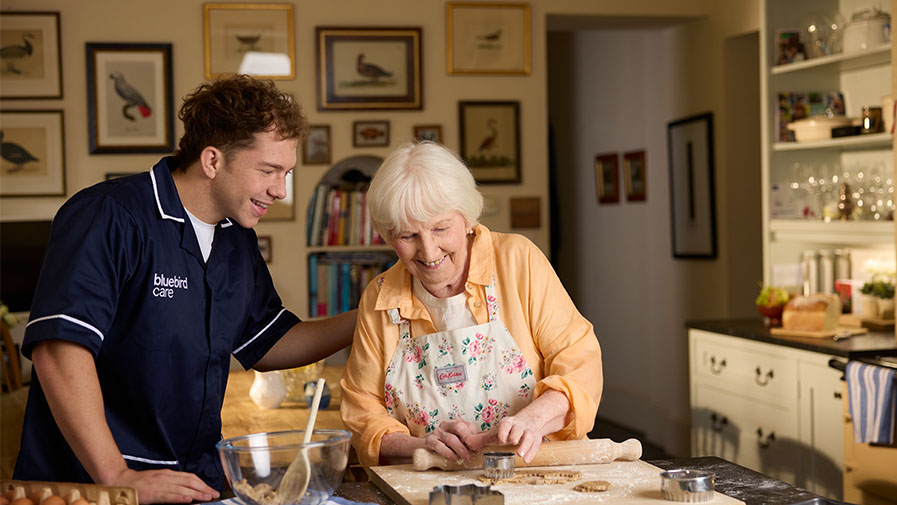
This might include looking through family photographs, preparing a favourite meal, listening to music they love or spending time in the garden.
These everyday moments can help someone feel more like themselves.
Support for families living with dementia
When someone close to you is living with dementia, you may find yourself taking on more responsibility over time.
You might be helping with meals, appointments, personal care or household tasks. You may also be balancing this with work, children and other parts of family life.
Having care at home can give you time to rest, spend time with other family members or simply enjoy being together without every moment being about care.
We’ll keep in touch, listen to your concerns and help you understand how the agreed care is working. With your loved one’s permission, we can also work alongside their GP and other healthcare professionals.
You remain an important part of their life. We’re here to support you both.
Understanding different types of dementia
Dementia is an umbrella term for a range of conditions that affect memory, thinking, communication and everyday life.
Alzheimer’s disease is the most common type, but there are others too.
These include:
Alzheimer’s disease
Alzheimer’s disease often develops gradually. A person may begin to forget recent conversations, lose track of time or find familiar tasks more difficult.
Vascular dementia
Vascular dementia can affect thinking, concentration and decision-making. Symptoms may appear suddenly or develop over time.
Dementia with Lewy bodies
Dementia with Lewy bodies can affect memory, movement, sleep and how someone sees or understands the world around them.
Frontotemporal dementia
Frontotemporal dementia may affect behaviour, personality, language and communication.
Some people live with more than one type of dementia. Whatever the diagnosis, we’ll focus on the person, how the condition affects them and the support that would help them most.
Dementia care that can change over time
Someone may need a small amount of support when they first receive a diagnosis.
Over time, they may need more help with personal care, meals, medication, movement or reassurance.
Our care can change with them.
Support may include:
Regular home care visits
Longer visits during the day
Overnight care
Respite care for family members
Live-in care
Support after a hospital stay
We’ll review the care plan with you and make changes when routines, health or circumstances change.
Choosing the right care professional
The relationship between a person and their care professional matters.
We’ll take time to learn about your loved one’s personality, interests, routines and communication style. This helps us choose care professionals who can build trust and help them feel comfortable.
We’ll aim to provide a small, familiar team wherever possible. Seeing the same faces can help someone living with dementia feel more settled and understood.
Each care professional will follow the agreed care plan while treating your loved one as an individual.
Helping someone feel safe at home
As dementia develops, everyday parts of the home can sometimes become harder to manage.
A care professional can offer gentle support with moving around the home, preparing food, keeping to regular mealtimes and remembering everyday routines.
They can also notice changes in behaviour, mood or wellbeing and share concerns with the right person.
We’ll work with you to understand what helps your loved one feel calm and what may cause worry or confusion. This could include reducing noise, keeping familiar objects nearby or using clear and simple communication.
The aim is to help home continue to feel safe, familiar and reassuring.

Working alongside healthcare professionals
Your loved one may receive support from their GP, memory clinic, community nurse, occupational therapist or another healthcare professional.
With permission, we can work alongside the people involved in their care.
We can follow guidance around daily routines, movement, meals and prescribed medication. We can also share relevant observations when there are changes in someone’s usual behaviour or wellbeing.
This joined-up approach can help everyone understand what support is in place and what may need to change.
Why choose Bluebird Care Bromsgrove & Redditch?
Inviting someone into your home is a big decision.
You need to know they will listen, treat your loved one with respect and understand that dementia affects every person differently.
Our local team supports families across Bromsgrove, Redditch and nearby communities.
We take time to understand:
Your loved one’s life story
The routines they recognise
How they prefer to communicate
The people and places that matter to them
What helps them feel calm
Where they need support
What they still enjoy doing for themselves
We’ll build care around these details and stay in touch as things change.
Getting started with dementia care at home
You do not need to have every answer before speaking to us.
You may have noticed changes but not yet have a diagnosis. You may already be supporting someone and feel that you need more help. Or your loved one may be preparing to come home after a stay in hospital.
Our local team will listen to what is happening and talk through the support available.
We’ll then arrange a meeting to learn more about your loved one, their home, their routine and the help they may need.
From there, we’ll agree a care plan together and talk about which care professionals may be the right match.
Talk to our local dementia care team
Asking for support can feel difficult, but you do not have to manage every change alone.
Whether your loved one needs a little help each week or regular care throughout the day and night, our Bromsgrove & Redditch team is here to listen.
We’ll help you find care that supports their routines, respects their choices and helps them remain in the place they know best.
Because, as everyone knows, it’s good to be home. Contact us now.
Make an enquiry
See care services in Bromsgrove & Redditch
East Midlands
East of England
Greater London
North East
North West
Northern Ireland
Scotland
South East
South West
Wales
West Midlands
Yorkshire and the Humber
East Midlands
East of England
Greater London
North East
North West
Northern Ireland
Scotland
South East
South West
Wales
West Midlands
Yorkshire and the Humber
FAQ
Everything you need to know about Dementia and Alzheimer’s care
Dementia and Alzheimer’s care stories
We have helped thousands of people feel like themselves
Hear how Bluebird Care has empowered customers across the UK to live life on their terms.