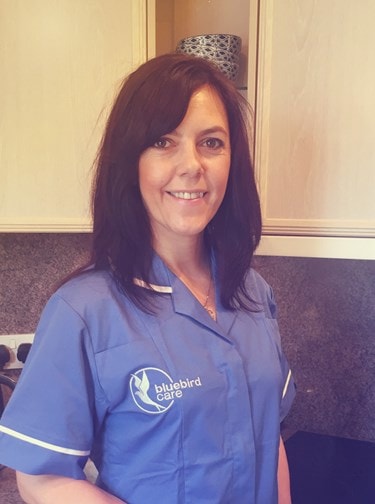
Option 1: Home Care Visits
Home care visits involve professional carers visiting the person at home for short periods, perhaps once or several times a day. Support can include:
Personal care, such as washing and dressing
Help with medication
Meal preparation
Companionship and conversation
Short respite for family carers
This is a flexible option when someone is mostly independent but needs help with particular tasks or at particular times of day. Bluebird Care Bridgwater & Minehead offers a range of home care services, including health and wellbeing checks, companionship, respite care and more.
Option 2: Live-in Care
Live‑in care steps up the level of support. A carer lives in the person’s home, providing help and reassurance throughout the day and night. This is ideal when:
Someone should not be left alone for long periods
There is a high risk of falls or night‑time wandering
Dementia or confusion causes anxiety or safety concerns
Couples want to stay together, but one or both need full‑time support
Live‑in care offers one‑to‑one attention and complete flexibility in routines, meals and activities. It allows people to stay in their own home, near neighbours, local shops and community, while still receiving high‑quality support.
Option 3: Care Homes
Residential and nursing care homes offer accommodation, shared communal spaces and care staff on site. For some people, this is the right choice, particularly if they need 24‑hour nursing or prefer a more communal environment.
However, moving into a care home involves leaving familiar surroundings and adjusting to group routines. Pets may not be allowed, and personal space is often limited to a single room or small suite.
Comparing the Options
Every family situation is different, but some common factors can help you weigh up the choices:
Independence:
Home care: high – person remains in control day‑to‑day with support at set times
Live‑in care: very high – personalised support while staying at home
Care home: lower – structured routines and group timetables
Continuity of Care:
Home care: rotating carers, though providers try to keep teams consistent
Live‑in care: strong continuity with one main carer and small backup team
Care home: many staff share responsibility
Emotional Wellbeing:
Home and live‑in care: familiar surroundings, local connections, pets and possessions nearby
Care home: provides social opportunities but requires a major transition
Support Level:
Home care: suits lower to moderate needs
Live‑in care: suits moderate to high needs while staying at home
Care home: suits high needs, especially when on‑site nursing is required
Why Many Families Now Choose Live-in Care
A growing number of families in Sedgemoor are choosing live‑in care as an alternative to moving into a care home. They value the ability to:
Keep their loved one in familiar surroundings
Receive truly one‑to‑one, tailored support
Preserve dignity, privacy and personal preferences
Avoid the disruption and stress of a move
Bluebird Care Bridgwater & Minehead provides both home care visits and premium live‑in care, so plans can adapt over time as needs change. This helps avoid repeated moves or service changes, giving families continuity and peace of mind.
Not Sure Which Is Right?
If you’re uncertain which level of care is most appropriate, talking it through with an experienced local team can help. Bluebird Care Bridgwater & Minehead can discuss your situation, explain what each option might look like, and carry out a free home care assessment.
Taking time to explore the choices now can help avoid rushed decisions in a crisis later on.