

When people think about home care, they often picture support with washing, dressing, medication or mobility. These can all be important parts of care, but support at home can reach much further.
Sometimes, the first signs that someone needs help appear in the home itself.
A pile of laundry may become difficult to carry. Preparing an evening meal can feel exhausting. Food shopping may be put off because getting to the shops is no longer straightforward. A home that was once easy to manage can gradually become another source of pressure.
These changes can affect more than the appearance of the home. They can influence how well someone eats, whether they have clean clothes available, how safely they move around and how confident they feel about continuing to live independently.
The wider role of home care in Birmingham is to make everyday life feel manageable again. That can include personal care, but it can also involve practical help with the household routines that make a home feel comfortable, familiar and properly lived in.
When keeping on top of the home becomes difficult
Household jobs rarely become difficult all at once.
Someone may begin by avoiding the heavier tasks. They might stop changing their bedding as regularly because stretching and lifting are uncomfortable. They may rely on snacks because standing at the kitchen counter for long periods is tiring. Washing may remain in the machine because bending to unload it feels unsteady.
Over time, these smaller difficulties can build up.
The effects may be particularly noticeable after an illness, injury or hospital stay. Someone might be able to move around their home but still lack the strength or confidence to prepare meals, carry shopping or manage laundry.
For someone living with arthritis, reduced mobility, fatigue or a long-term health condition, domestic routines may use up so much energy that there is little left for anything enjoyable.
Having some help around the home can ease this pressure. It allows someone to use their energy where it matters most, while continuing to enjoy the comfort and familiarity of their own surroundings.
Making mealtimes easier and more enjoyable
Preparing food is one of the most important household routines, but it can also become one of the most demanding.
Planning meals, checking what is in the cupboard, preparing ingredients and washing up afterwards all require time and energy. If someone finds standing, lifting or concentrating difficult, cooking may gradually be replaced by toast, snacks or ready meals.
Home care can help someone maintain the mealtime routines they enjoy.
A Care Professional might prepare breakfast while the customer gets dressed, make a sandwich for lunch or help cook an evening meal that reflects the person’s tastes and dietary needs. Where appropriate, meals can be prepared in advance so that there is something easy to heat later.
Support can also be shared. Someone may still want to peel vegetables, stir a sauce or choose what they would like to eat, while their Care Professional handles the parts they find more difficult.
This keeps the individual involved in their own routine. It also means food can remain personal, whether that is porridge made a particular way, a familiar Sunday lunch or a favourite recipe passed down through the family.
Mealtimes can bring companionship too. Sitting down together with a cup of tea or talking while lunch is prepared can make eating feel less solitary, especially for someone who spends much of the day alone.
Support with shopping and keeping the kitchen stocked
A well-stocked kitchen can make it easier to eat regularly and maintain a familiar routine. However, shopping can become challenging when someone no longer drives, finds walking tiring or feels less confident going out alone.
A Care Professional may help write a shopping list, accompany someone to the supermarket or pick up essential groceries as agreed within their care plan. They can also help unpack shopping and place items where they are easy to find and reach.
For someone who wants to remain involved, a shopping trip can be about much more than buying food. It can provide a reason to leave the house, spend time in the local community and make their own choices.
Other people may prefer to stay at home while someone helps with the practical side. The right approach depends on what feels comfortable and what the customer wants to continue doing for themselves.
Support can also help reduce food waste and missed meals. A familiar Care Professional may notice that there is very little food in the fridge, that certain items are going untouched or that someone’s appetite has changed. These observations can then be shared appropriately with the care team and family.
Laundry, bedding and everyday household comfort
Clean clothes and fresh bedding contribute to how comfortable someone feels at home, but laundry can involve several physically demanding stages.
Carrying a full basket, bending to load the washing machine, reaching to hang clothes and changing a duvet cover can all be difficult for someone with limited mobility, pain or poor balance.
Light household support can help keep these routines under control. Depending on the agreed care plan, this might include putting on a load of washing, hanging clothes to dry, folding clean laundry or helping to change bedding.
These jobs may sound ordinary, but their effect can be significant. Fresh clothes can help someone feel ready for the day. Clean bedding can improve comfort at night. An empty laundry basket can make the home feel calmer and easier to manage.
The focus should always remain on the individual. If someone enjoys folding clothes or arranging their wardrobe, they can continue doing so. Help can be limited to carrying the basket or managing the parts that require more strength and movement.
Keeping important spaces clear and comfortable
A home does not need to be immaculate to be safe and comfortable. However, clutter, spills or items left in walkways can make moving around more difficult.
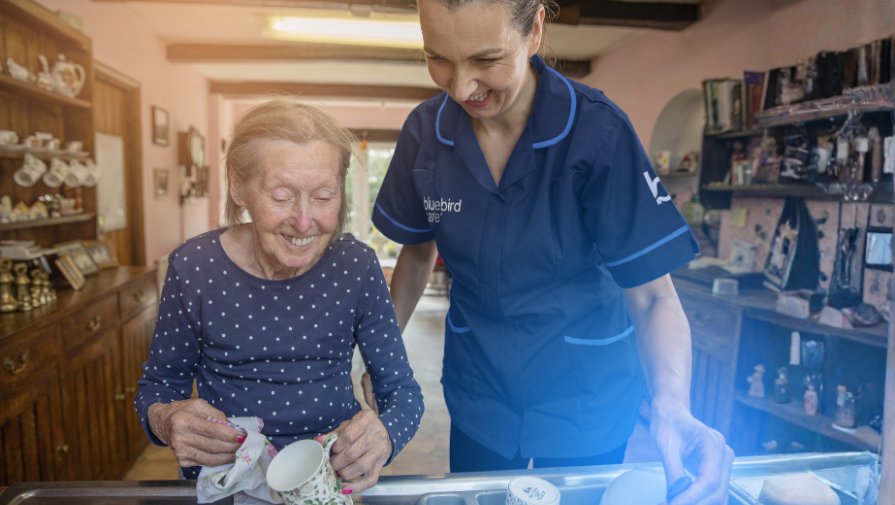
Light household help may include washing dishes, wiping kitchen surfaces, putting frequently used items away or keeping main living areas clear. This is not about changing someone’s home or imposing another person’s standards. It is about supporting the environment they want to live in.
For example, someone may like their kitchen cleared after breakfast so that it feels ready for the rest of the day. Another person may want help putting things within easy reach so they do not have to stretch or bend.
These details should be discussed rather than assumed. Everyone has their own way of organising their home, and that should be respected.
A Care Professional should learn where things belong, which possessions are important and how the customer prefers household routines to be completed. That familiarity helps support become a natural part of life at home.
Doing things with someone, not simply for them
.png?language=en "The wider role of home care in Birmingham from personal support to help around the home (1)")
Good home care should protect independence rather than reduce it.
When a household job becomes difficult, it can be tempting for someone else to complete the entire task. While this may be quicker, it can leave the customer feeling excluded from their own routine.
A more supportive approach is to understand which parts someone can still manage and where assistance would help.
A customer might choose the meal while their Care Professional prepares it. They may sort the washing while someone else loads the machine. They might write the shopping list and decide which brands to buy, even if they need help getting to the shops.
These choices help someone remain involved in running their own home.
The amount of help may also change from day to day. Someone living with fatigue might want more assistance after a poor night’s sleep but feel able to do more on another day. Care should be flexible enough to respond without assuming that one difficult day represents a permanent loss of ability.
Creating more time and energy for life beyond household jobs
When everyday tasks take longer than they used to, they can begin to fill the whole day.
Someone may spend the morning recovering from making breakfast or use so much energy changing the bedding that they no longer feel able to go outside. Activities they enjoy can gradually be pushed aside by the effort of keeping the home running.
Practical support can create time and energy for other parts of life.
That might mean tending to plants, speaking to a friend, watching a favourite programme, attending an appointment or taking a short walk around the neighbourhood. For another person, it may simply mean being able to sit down in a comfortable home without worrying about the jobs waiting to be done.
Where regular reassurance would help, health and wellbeing checks in Birmingham can also support someone to remain safe and well at home.
Easing pressure on families
Families often help with domestic tasks long before formal care is considered.
A son may do the weekly food shop. A daughter might spend each visit catching up on laundry and changing the bedding. A partner may take responsibility for cooking even when they are tired or managing their own health needs.
This support is often given willingly, but it can change the feel of family relationships. Visits become focused on completing jobs rather than spending relaxed time together.
Home care can share some of that responsibility.
With practical help in place, families may have more time to sit down, talk and enjoy each other’s company. They can remain involved without feeling that everything depends on them.
If a family carer needs temporary support, respite care in Birmingham can provide continuity while allowing them time to rest or manage other responsibilities.
Domestic support built around the individual
There is no single package of household support that will suit everyone.
One customer may need help preparing meals several times a week. Another may be managing personal care independently but struggling with shopping and laundry. Someone recovering from hospital may need additional domestic support for a short period while their strength returns.
Care should begin with a conversation about what is becoming difficult, what the customer wants to continue doing and which routines matter most to them.
As needs change, the care plan can be reviewed. More support can be introduced if necessary, or reduced as someone regains confidence and ability.
This makes home care a flexible partnership rather than a fixed list of tasks.
Home care across Birmingham West
Bluebird Care Birmingham West provides personalised support across Bournville, Edgbaston, Harborne, Kings Heath, Kings Norton, Moseley, Northfield, Selly Oak, Stirchley and surrounding communities.
Our support can include personal care, meal preparation, shopping, laundry, light household help and companionship, depending on the individual’s needs and agreed care plan.
We take time to understand how each customer likes their home to be, how their usual day unfolds and what they want to remain involved in. Our aim is to make life at home feel more comfortable and manageable while protecting choice, dignity and independence.
To discuss support for yourself or a family member, call Bluebird Care Birmingham West on 0121 812 9012 or complete our online contact form below. Our local team can listen to what is becoming difficult and help you explore the right level of support.