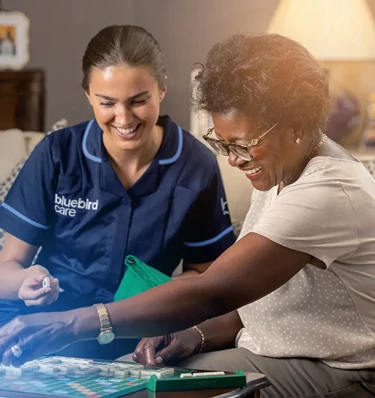
Specialist Elderly Homecare in Barnet
Specialist Elderly Homecare in Barnet: Helping Your Loved Ones Live Comfortably at Home
Arranging care for a parent or grandparent is rarely straightforward. There's guilt mixed in with the worry, usually a rushed decision made after a fall or a hospital discharge letter that lands on the mat with three days' notice. Moving into a care home feels like the obvious next step to a lot of families. Mostly because nobody's told them there's another option.
Specialist elderly home care in Barnet means support comes to your loved one. Same house they've lived in for decades. Same view from the kitchen window. Same neighbour who still pops round on Thursdays. If you're weighing up care options for someone in Barnet, here's what actually matters when you're choosing between them.
What Is Specialist Elderly Homecare?
Professional care delivered inside someone's own home rather than a residential setting. Personal care such as washing and dressing. Medication support. Help getting around safely. Meal preparation. Companionship for the hours that would otherwise be spent alone. And the practical side too: laundry, light cleaning, and keeping on top of things that get harder to manage with age.
For families dealing with dementia, specialist elderly homecare adds trained support around memory loss and confusion, which is a different skill entirely from general care work. Some households need overnight care. Some need a single hour in the morning. Some need respite so a family carer finally gets a proper break. "Expert" just means that individualized care happens based on a person’s diagnosis or particular requirement rather than being taken off the shelf.
Why Opt for Homecare Instead of Transferring to a Care Facility?
It is not that care facilities are wrong. For some people, particularly those needing constant supervision or nursing-level medical input, a care home genuinely is the safer option, and pretending otherwise doesn't help anyone.
But for a lot of older people, staying put matters more than families expect until the alternative's actually on the table. Family stays involved on their own terms rather than around a facility's visiting hours, and because it's usually the same one or two carers turning up week after week rather than rotating staff, trust builds properly over time. For someone in the early stages of dementia especially, that kind of familiarity can matter more than any amount of clinical oversight down the road.
Looking for "Home Care in My Area"? Start With Your Local Needs
Typing "home care in my area" into Google usually means one of two things. Either you're an adult child trying to sort something out for a parent who lives some distance away, or you're after someone who'll actually turn up reliably, not an agency three boroughs over stretched too thin to guarantee consistent visits.
Local knowledge changes things more than people expect. A carer who already knows Barnet's GP surgeries, the pharmacy that does urgent prescriptions late, which streets get awkward for wheelchair access when the roadworks are on, responds faster when something goes wrong.
Availability matters just as much. A locally based provider can usually get someone out for an initial visit within days rather than weeks. That counts for a lot when a family's dealing with a recent hospital discharge and needs something arranged quickly, not eventually.
What Services Can Elderly People Receive at Home?
Most families are surprised by how much can actually be delivered at home once they look into it properly.
| Care Need | Possible Homecare Support |
|---|---|
| Personal care | Washing, dressing, grooming |
| Mobility | Moving safely around the home |
| Meals | Meal preparation and nutrition support |
| Medication | Medication reminders and support |
| Companionship | Social interaction and conversation |
| Dementia | Specialist dementia support |
| Night-time needs | Waking or sleeping night care |
| Family support | Respite care for the main carer |
In addition, people do not need to arrange everything in advance. Most families opt for small steps, starting from one or two visits per week and increasing the frequency according to the needs of the patient.
Ways of Finding Trusted Homecare Providers in the UK
A few things separate a genuinely reliable provider from one that just has a decent website. Their CQC report matters more than any testimonial on the homepage, so start there. Find out whether carer training actually covers elderly care and conditions like dementia specifically, rather than a general induction everyone gets regardless of who they'll be looking after.
Check the range of services on offer and whether they genuinely cover your area, not just the edge of it on a map. Independent reviews tend to tell you more than the quotes a company chose to feature. And get a straight answer on cost and funding before you sign anything, because a provider who goes vague on pricing at this stage usually stays vague later too.
"Find Me a Care Home": Do You Actually Need a Care Home?
Plenty of people search this exact phrase without realising home care might solve the problem just as well, sometimes better. It comes down to the level of supervision actually needed. If someone needs 24-hour nursing care, has very high or unpredictable needs, or has no one nearby to help, a residential facility might be the better fit. Homecare relates more to people suffering from chronic diseases, recovering from their recent hospital stay, or dealing with early to moderate stages of dementia.
Working this out isn't guesswork, or shouldn't be. A professional care needs assessment looks honestly at what someone can manage day-to-day and what would actually close the gap, rather than defaulting to whatever a hospital ward mentioned in passing on the way out.
Not sure what option is best for your family member? Talk to a local care team that can help provide answers.
The Commonest Types of Homecare in the UK
Homecare is a suitable option, especially for people who need assistance only at specific moments, such as help with personal care in the morning, medication at lunch, and a check-up before sleep. Home care is ideal for people who want steady help and prefer to do so at home and have care workers who live with them rather than visit them regularly. Dementia care works with a systematized routine and the use of special methods of communication. Respite care exists purely to give a family carer a proper break, a week off, or several months.
Overnight care covers the hours a daytime package simply can't reach. Companionship care addresses an isolation that often goes unnoticed until it's severe. Certain complicated health conditions or medical issues, such as assisted feeding, require complex care. Good end-of-life care enables the patient to spend their final days somewhere that truly feels like home, rather than in a hospital.
How to Choose a Home Care Organisation in the UK
Before entering into a contract with a provider, ask direct questions and pay attention to the answers you get. Who is the material provider of the care service? Is it the same person or different people replacing one another? Will someone be replaced if the main care provider has fallen ill?
It is also worth knowing how care plans are written and checked, how often the provider communicates with the family without being chased for updates, and how their emergency response system works. A company that dodges any of this is telling you something, whether they mean to or not.
Why Local Specialist Elderly Homecare Matters in Barnet
A national call center can't tell you which pharmacy in Edgware does late prescriptions or that the roadworks on Hale Lane are slowing the usual route down this month. A local team can.
Bluebird Care Barnet is locally operated by Larry Berkowitz, covering East Barnet, Finchley, Mill Hill, Hendon, Edgware, Totteridge and Golders Green, where the practicalities are dealt with on a daily basis.
Bluebird Care Barnet means fast communication when changes happen and carers who know the local GPs and community services. It also means continuity: the same families are supported for many years. Specialised home care in Barnet works only when it is adapted according to the household needs rather than based on generic templates.
How to Get Started With Elderly Homecare in Barnet
Simpler than most families expect, honestly. Start with an honest conversation about what's actually needed, an hour a day or something closer to full-time. Then a proper assessment, so a care professional sees the situation firsthand rather than working off a phone call alone. From there, a personalised care plan is built around the individual, not a standard package. And then care begins at home, usually within days of that plan being agreed.
Looking for specialist elderly home care in Barnet? Get in touch with Bluebird Care Barnet to talk through the right care options for your loved one.
If you're not sure yet whether your family qualifies for council-funded support, Barnet Council's adult social care team can carry out a free needs assessment regardless of income. Worth doing alongside any conversation with a private provider, not instead of it.
FAQs
What is specialist elderly homecare in Barnet?
Professional home care services in Barnet offer personalised and flexible help, including personal care, medication support and dementia care, within a home-like environment.
How do I locate home care services near my location?
Look for companies that cover your borough or postcode specifically, rather than searching for a national company.
What features should I expect from home care service providers in the UK?
A solid CQC rating, proper training for the condition involved, clear communication with family, flexible hours, and a straight answer on cost before you sign anything.
Is receiving homecare services preferable to moving into care homes?
Neither option is automatically better than the other. Home care suits people who want to retain their independence in a familiar place while their needs are manageable. A care home suits people who need continuous supervision that a home care schedule.
What services related to home care do people receive in the UK?
Home care covers visiting care, live-in care, dementia care, respite care, overnight care, companionship, end-of-life care, and complex care, each tailored into a personalised package.
How do I choose a home care service in the UK?
Find out who'll actually deliver the care, how they handle staff absence, how care plans get built and reviewed, and get costs confirmed in writing before deciding anything.
Does it mean that an older person can receive specialized care at home?
Yes. Specialists are available to support people with dementia, mobility problems, or other complex medical conditions at home, removing the need to move into residential care.