Home Companion Care in Barnet
Home companion care for seniors in Barnet: What to expect
Your dad used to walk to the shops every Saturday. Lately he mentions it less, and when you ring on a Sunday evening, it sounds like he's been living on tea and toast. Nothing dramatic has happened. That's the problem. A person's week shrinks slowly, and families only spot it afterwards.
If you're reading about home companion care for seniors in Barnet, you're probably at that stage. You're not after a care home. You're not sure your parent needs "proper" care yet. You just know something has to change.
What home companion care for seniors in Barnet lookslike day to day
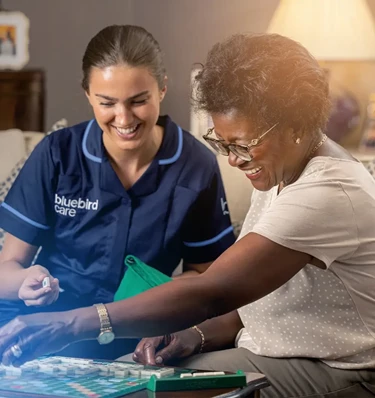
Companion care isn't medical. Nobody checks blood pressure or hands out tablets. It's one person, ideally the same one every week, coming round for a cup of tea, a chat, a walk to the post box, or a hand getting the shopping in from Whetstone so it doesn't all end up on the stairs.
Some families book two hours on a Thursday. Others want someone most afternoons. Both count. Home care help for seniors only works when it bends around the person, not the other way round.
Why families here are choosing to stay put
About 56,000 people in Barnet were aged 65 or over at the 2021 Census, according to the Office for National Statistics, and the Care Quality Commission's 2025 assessment of the borough puts the rise since 2011 at around 18%. Plenty have lived in the same house for thirty or forty years, whether that's a terrace in New Barnet or a flat near East Finchley station.
Asking someone to leave all that for a residential setting is a painful conversation, and often an unnecessary one. Home companion care for seniors in Barnet means the same GP, the same neighbours and the same view out of the kitchen window, plus a bit of extra support that makes living independently realistic again.
Companion care or personal care?
Families mix these up constantly. A companion doesn't help with bathing, dressing or giving medication. That's personal care, a separate service with different training behind it.
What a companion does is notice. Is Mum eating properly? Have they told you the same worry three times in one phone call? Has the house gotten colder than it should be? Those small observations, passed back to the family, often matter more than the tea and biscuits.
Searching "home care in my area"? Slow down first.
Plenty of people type "home care in my area" or "need home care services" into Google late at night, before deciding what they actually need. The results mix home care services in the UK of every kind, from live-in care to a weekly chat, and those are very different things.
So ask one question first. Does this person need medical supervision day and night, or do they need company and a hand with the parts of the day that have got harder? For most people in the early or middle stages, it's the latter, and staying at home tends to cost less than residential care.
Choosing between home care companies in the UK
Consistency matters more than any brochure. Families do better when the same person turns up each time, not a rotating cast of strangers. A companion who knows your dad takes two sugars, hates being rushed in the morning and lights up when someone mentions Arsenal isn't a small extra. That is most of the service.
So ask how a company matches people before you ask about anything else. At Bluebird Care Barnet, home companion care for seniors in Barnet starts with personality and interests, and care needs come second. It sounds backwards until you've seen the difference. If a provider also does personal care, check its Care Quality Commission rating.
What it costs and who helps pay
Companion care usually costs less than personal care or live-in support, and a few hours a week is far cheaper than daily visits. Prices vary between Bluebird home care services and other providers, so get a written quote.
Attendance Allowance is worth checking. It's for people over State Pension age who need help with personal care or supervision because of illness or disability, and it isn't means-tested. Nobody ties it to a particular service, so some families put it towards companion visits. The rules and claim form are on GOV.UK. Barnet Council's adult social care team can also run a needs assessment and tell you whether your relative qualifies for council-funded support.
Getting started
Don't wait for a crisis to make the decision for you. Have the conversation early, while your parent still has a say, and frame it as keeping life the way it is, not taking it over.
If you're weighing up home companion care for seniors in Barnet, ring the Bluebird Care Barnet team and ask what a typical first visit looks like. They'll build a plan around what your family actually needs, not a fixed package that doesn't quite fit.
FAQs
What does home companion care for seniors in Barnet involve?
A companion keeps someone company and helps with everyday tasks like making tea, going for a short walk or getting the shopping in. They also notice how the person is coping and tell the family if something changes.
How often should an older person have companion visits?
There's no rule. Some people are happy with a couple of hours a week; others want several afternoons. Start small, see how it feels, and change the schedule as their needs shift.
Does Attendance Allowance pay for companion care?
It isn't paid to a provider or tied to any service. If your relative is awarded it, they can spend it how they like, including on companion visits. Eligibility depends on needing help with personal care or supervision, so companionship alone doesn't qualify someone.