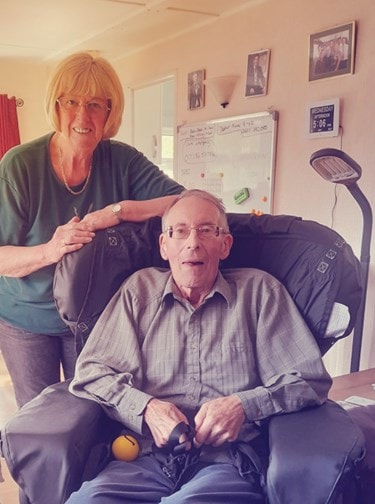
Diabetes care in Aylesbury
It’s good to have a helping hand with diabetes care
Living with diabetes can involve managing several parts of everyday life, from meals and medication to staying active and monitoring blood sugar levels. The right support can make these routines easier while helping you or your loved one maintain independence at home.
Bluebird Care provides diabetes care across Aylesbury and surrounding communities, including Wendover, Waddesdon and Cuddington. Our care experts provide personalised support based around each customer’s needs, preferences and lifestyle.
Whether someone needs help preparing suitable meals, managing medication or staying active, care can be shaped around the areas where additional assistance will make everyday life more manageable.
What is diabetes?
Diabetes is a long-term condition that affects the body’s production or use of insulin, which can cause blood glucose levels to become too high.
The condition affects people differently, with symptoms ranging from mild to more significant. Common symptoms can include increased thirst, fatigue, needing to urinate more often, increased hunger, weight loss and blurred vision.
Managing diabetes can involve balancing several aspects of everyday life, including food, medication, activity and blood glucose monitoring.
For some people, these routines can be managed independently. Others may benefit from additional support, particularly if another health condition, reduced mobility or changes in confidence make day-to-day management more difficult.
Why diabetes care can make a difference
Diabetes requires ongoing management, and having professional support at home can help customers maintain important routines.
Someone may need assistance preparing appropriate meals or remembering medication. Others may benefit from help monitoring their glucose levels or recognising when symptoms require attention.
Care can help your loved one:
- Maintain regular meal and drink routines
- Make appropriate food choices
- Manage agreed medication
- Monitor blood glucose where appropriate
- Recognise changes in their usual symptoms
- Maintain an active lifestyle
- Attend healthcare appointments
- Continue everyday activities and routines
- Remain independent at home
Professional support can also provide reassurance for relatives who may be concerned about how well a loved one is managing their condition when they cannot be there.
Tailored diabetes care at home in Aylesbury
No two people experience diabetes in exactly the same way, which is why support should reflect the individual.
Our Aylesbury team takes the time to understand the customer’s usual routine, the type of help they need and how diabetes affects their everyday life.
This may include:
- Meals and food choices
- Medication routines
- Blood glucose monitoring
- Hydration
- Exercise and activity
- Everyday symptoms
- Shopping
- Appointments
- Other health conditions
- Personal routines and preferences
A personalised care plan can then be developed around the customer’s individual needs.
Bluebird Care can also work alongside local healthcare services where appropriate, helping customers receive support that complements the advice and treatment provided by their healthcare professionals.
What can diabetes care include?
The exact support provided will depend on the customer’s needs and agreed care plan.
This may include:
- Meals and food choices: Help with shopping, cooking and preparing meals based around the customer’s needs and preferences.
- Hydration: Encouragement and practical support to maintain regular drinks throughout the day.
- Medication support: Assistance with agreed medication routines.
- Blood glucose monitoring: Support with monitoring glucose levels where this forms part of the agreed care arrangement.
- Recognising symptoms: Helping customers and families remain aware of changes that may require further attention.
- Staying active: Encouragement to maintain an appropriate active lifestyle and support general wellbeing.
- Appointments: Assistance attending healthcare appointments or accessing local health services.
- Companionship: Friendly conversation and emotional support alongside practical care.
Care is designed around the customer and their existing diabetes management routine rather than replacing the advice of qualified healthcare professionals.
Supporting healthy routines with diabetes
Food, hydration and activity can all form an important part of managing diabetes.
A care expert can provide practical help with shopping and preparing meals, making it easier for the customer to maintain regular eating routines and make suitable food choices.
Support can also include preparing drinks and encouraging hydration throughout the day.
Staying active can be important for both physical and mental wellbeing. Depending on the customer’s abilities and circumstances, a care expert can provide encouragement and practical support to help them maintain an active lifestyle.
The aim is to make healthy routines easier to manage while helping the customer retain choice over how they live their life.
Recognising changes and providing reassurance
Diabetes can sometimes cause changes in how someone feels or behaves, particularly when blood sugar levels become too low or too high.
Our care experts can support customers with their agreed routines and help recognise signs that may require attention.
Care experts do not diagnose symptoms or make changes to medical treatment. Where there are concerns, the appropriate healthcare professionals can be contacted in line with the customer’s care arrangements.
Having regular professional support can also provide reassurance for family members, particularly when a loved one has other health conditions or finds managing diabetes alone increasingly difficult.
A diabetes care plan built around real life
Good diabetes care starts with understanding how the condition fits into the customer’s everyday routine.
Our Aylesbury team will learn more about their current needs, preferences, medication, meals, activity and the areas where additional assistance would be useful.
The customer remains at the centre of their care plan, with family members and healthcare professionals involved where appropriate.
As circumstances change, support can be reviewed and adapted so it continues to reflect the customer’s needs while helping them maintain as much independence as possible.
Getting started with diabetes care in Aylesbury
If diabetes is becoming more difficult for you or a loved one to manage alone, our Aylesbury team can help you explore the support available.
Bluebird Care can learn more about your circumstances, discuss where additional help would be useful and create a personalised care plan around your needs and routines.
Our local team provides care across Aylesbury and surrounding communities, including Wendover, Waddesdon and Cuddington.
Call Bluebird Care Aylesbury on 01296 399 000 for a friendly, no-obligation conversation about personalised diabetes care at home.
See care services in Aylesbury
East Midlands
East of England
Greater London
North East
North West
Northern Ireland
Scotland
South East
South West
Wales
West Midlands
Yorkshire and the Humber
East Midlands
East of England
Greater London
North East
North West
Northern Ireland
Scotland
South East
South West
Wales
West Midlands
Yorkshire and the Humber
FAQ
Everything you need to know about Diabetes care in Aylesbury
Diabetes care in Aylesbury stories
We have helped thousands of people feel like themselves
Hear how Bluebird Care has empowered customers across the UK to live life on their terms.