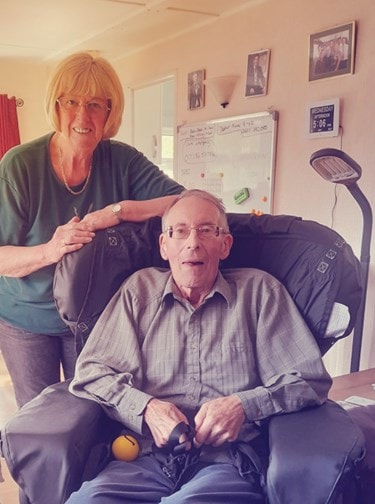
Dementia and Alzheimer’s care in Aylesbury
Dementia and Alzheimer’s Care at Home
Living with dementia can change everyday life, but the right support can help your loved one remain comfortable, connected and independent in familiar surroundings.
Bluebird Care provides dementia and Alzheimer’s care across Aylesbury and surrounding communities, including Brill, Aston Clinton and Bierton. Our care experts provide personalised support based around each customer’s routines, preferences and changing needs.
Whether someone needs help with personal care, meals, medication or staying involved in the activities they enjoy, care is designed to fit around the person rather than asking them to give up the life they know.
What is dementia?
Dementia is an umbrella term for a range of conditions that affect the everyday functioning of the brain. Alzheimer’s disease is one of the most common types.
The way dementia affects someone can vary considerably. Changes may involve memory, communication, concentration, behaviour, mobility or the ability to manage everyday activities.
Someone living with dementia may experience:
- Difficulty remembering recent events or appointments
- Problems following familiar routines
- Changes in communication
- Confusion or disorientation
- Changes in mood or behaviour
- Difficulty making decisions
- Reduced confidence with everyday activities
Everyone experiences dementia differently, which is why support should be based around the person, their preferences and what they are still able and want to do for themselves.
Why dementia and Alzheimer’s care can make a difference
Dementia can make familiar tasks more difficult over time. Someone may need reminders to get ready for the day, additional help preparing meals or support to continue hobbies and activities they previously managed independently.
Professional care at home can provide practical assistance while allowing your loved one to remain surrounded by familiar people, possessions and routines.
Support can help them:
- Maintain familiar daily routines
- Receive dignified personal care
- Keep on top of agreed medication
- Enjoy regular, nutritious meals
- Stay active where possible
- Continue hobbies and interests
- Attend social activities
- Remain connected with family and their community
- Receive companionship and reassurance
Having professional support in place can also provide reassurance for family members, particularly as a loved one’s needs change.
Tailored dementia and Alzheimer’s care at home in Aylesbury
There is no one-size-fits-all approach to dementia support.
Our Aylesbury team takes the time to understand your loved one, including their routines, preferences, interests and the areas where additional help would make everyday life easier.
This might include:
- Morning and evening routines
- Washing and dressing
- Toileting and personal care
- Medication
- Meals and grocery shopping
- Household tasks
- Mobility and gentle exercise
- Hobbies and interests
- Social activities
- Companionship
From there, a personalised care plan can be created around the type and frequency of support that is right for them.
As dementia progresses, needs can change. The care plan can be reviewed and adapted so that support continues to reflect what your loved one needs while helping them maintain as much independence as possible.
What can dementia and Alzheimer’s care include?
The exact support provided will depend on the customer’s individual needs and agreed care plan.
This may include:
- Personal care: Respectful support with washing, bathing, dressing, toileting and getting ready for the day.
- Medication support: Help managing agreed medication routines and collecting prescriptions where appropriate.
- Meal preparation: Preparing nutritious meals and helping maintain familiar eating routines.
- Grocery shopping: Support with shopping for food and other everyday essentials.
- Household chores: Help with tidying, laundry and other tasks around the home.
- Gentle exercise: Encouragement to remain active with suitable everyday movement and exercise.
- Hobbies and interests: Helping customers continue activities that are familiar and enjoyable.
- Social activities: Support to attend events, visit friends and family or remain involved with the local community.
- Companionship: Friendly conversation, reassurance and meaningful time together.
The aim is to provide useful support while allowing your loved one to continue participating in everyday life wherever possible.
The benefits of dementia care at home
For someone living with dementia, home can provide familiarity and comfort.
Remaining in surroundings they recognise means they can continue living among their own possessions and following routines that have developed over many years.
Receiving care at home also means support can be personalised around how the customer likes to live. Their meals, hobbies, daily routines and social activities can remain familiar rather than being shaped around a shared residential timetable.
Bluebird Care aims to provide consistency by matching customers with a dedicated care team that can get to know their personality, preferences and needs.
This can help care feel more familiar and personal while giving the customer and their family greater confidence in the people providing support.
Supporting hobbies, activity and social connections
A dementia diagnosis does not mean someone should stop doing the things they enjoy.
Continuing familiar hobbies and activities can remain an important part of everyday life. A care expert can provide practical support and encouragement so your loved one can stay involved where possible.
This might mean enjoying a favourite hobby at home, taking gentle exercise, attending a social event or simply spending meaningful time together.
The activities themselves will depend on the person. What matters is recognising their interests and preferences rather than allowing dementia to define every part of their day.
A dementia care plan built around real life
Good dementia care starts by getting to know the person.
Our Aylesbury team will talk to you and your loved one about their needs, preferences and everyday routines before creating a personalised care plan.
The customer remains at the centre of these decisions. Family members can also be involved where appropriate, helping us understand the routines, interests and preferences that are important to their loved one.
Care can then be reviewed as circumstances change, allowing the type or frequency of support to develop alongside the customer’s needs.
The aim is to provide compassionate, dependable care that helps your loved one continue living a fulfilling life in the comfort of their own home.
Getting started with dementia and Alzheimer’s care in Aylesbury
If your loved one is living with dementia or Alzheimer’s disease, finding the right support can make everyday life feel more manageable for the whole family.
Bluebird Care Aylesbury can learn more about your circumstances, discuss the areas where additional help would be useful and create a personalised care plan around your loved one’s needs and preferences.
Our local team provides care across Aylesbury and surrounding communities, including Brill, Aston Clinton and Bierton.
Call Bluebird Care Aylesbury on 01296 399 000 for a friendly, no-obligation conversation about personalised dementia and Alzheimer’s care at home.
Make an enquiry
See care services in Aylesbury
East Midlands
East of England
Greater London
North East
North West
Northern Ireland
Scotland
South East
South West
Wales
West Midlands
Yorkshire and the Humber
East Midlands
East of England
Greater London
North East
North West
Northern Ireland
Scotland
South East
South West
Wales
West Midlands
Yorkshire and the Humber
FAQ
Everything you need to know about Dementia and Alzheimer’s care in Aylesbury
Dementia and Alzheimer’s care in Aylesbury stories
We have helped thousands of people feel like themselves
Hear how Bluebird Care has empowered customers across the UK to live life on their terms.